
Beautiful Plants For Your Interior
Beautiful Plants For Your Interior
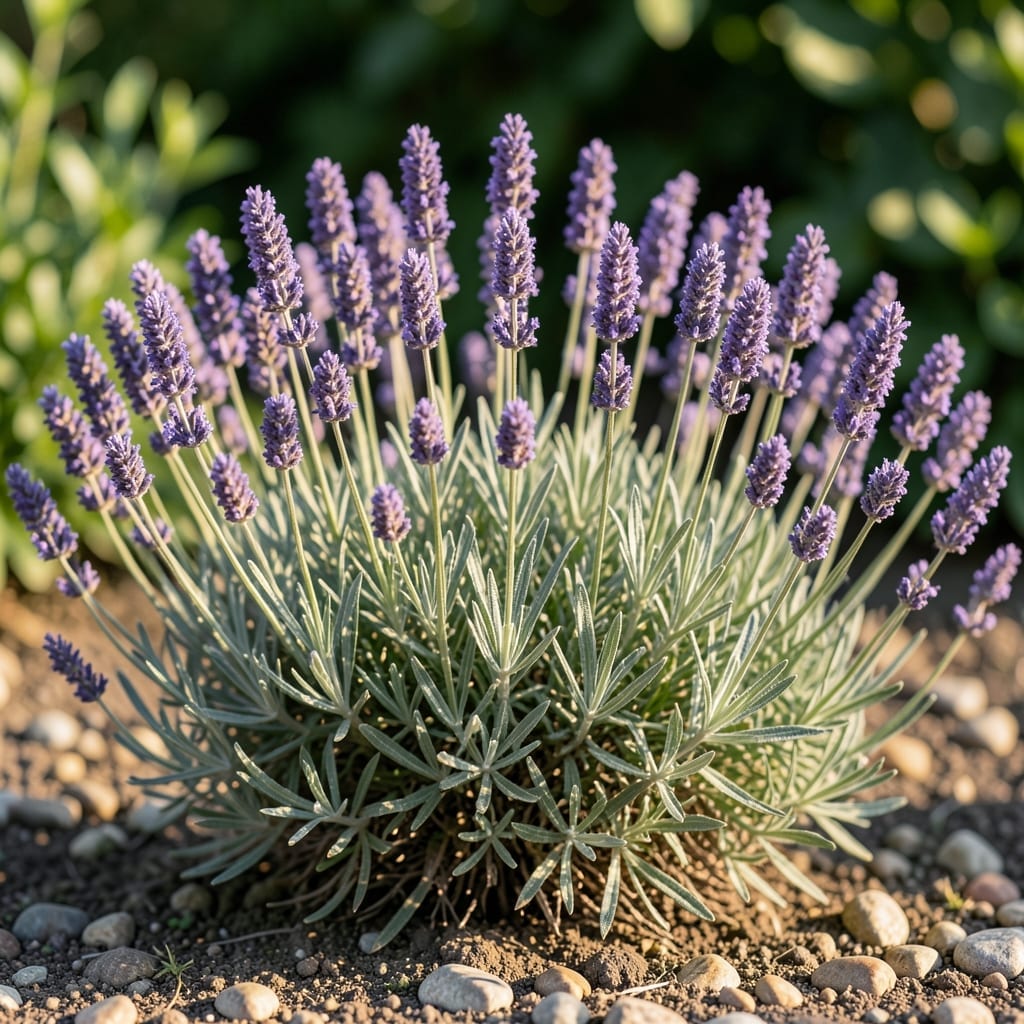
There’s something magical about a garden dressed in lavender and white. I’ve seen firsthand how this combo turns even the simplest space into a timeless retreat, soft yet striking.
Pairing silvery lavender with pure white blooms creates contrast without clashing, and the fragrance seals the deal. Works in cottage gardens, modern borders, or even container arrangements.
📚 In This Guide
These insights will help you achieve a thriving garden with this elegant color scheme.
Sunlight Essentials: The 6-8 hours of direct sunlight daily in Step 1 isn’t just a suggestion—it’s critical for lavender’s aromatic oils and white flowers’ vibrant blooms. I’ve seen plants struggle with even slightly less exposure. If your space gets partial shade, prioritize morning sun over afternoon.
Drainage Test Accuracy: That 30-minute drainage test in Step 1 is your best insurance against root rot. Dig the 12-inch hole precisely as instructed—shallower tests can give false confidence. If water lingers beyond 30 minutes, amending with sand or choosing a raised bed is non-negotiable.
Soil pH Precision: For Step 2, that 6.5-7.5 pH range matters more than you might think. Lavender particularly dislikes acidic soil. A simple soil test kit is worth the investment—I learned this after losing several plants to soil that looked fine but tested at 6.0.
Planting Depth Discipline: In Step 3, resist the urge to plant deeper than the root ball. I made this mistake early on, burying stems to “help them stand up,” which actually suffocates the plant. The top of the root ball should sit exactly level with surrounding soil—no exceptions.
Lavender thrives with drought-tolerant companions like white yarrow, lamb’s ear, or Russian sage. For contrast, try white roses or baby’s breath. Avoid moisture-loving plants that may conflict with lavender’s dry soil needs.
Deadhead spent white flowers regularly to encourage new blooms. Use a balanced fertilizer and ensure well-draining soil. For perennials like Shasta daisies, divide clumps every 2-3 years to keep them vibrant.
Yes! Use large pots with drainage holes and a sandy, well-draining mix. Dwarf lavender varieties and compact white flowers like sweet alyssum or lobularia work best. Water sparingly to prevent root rot.
Overwatering is a common culprit—lavender prefers dry conditions. Check for poor drainage, fungal diseases, or pests like aphids. Adjust watering, improve airflow, and treat with neem oil if pests are present.