
Beautiful Plants For Your Interior
Beautiful Plants For Your Interior
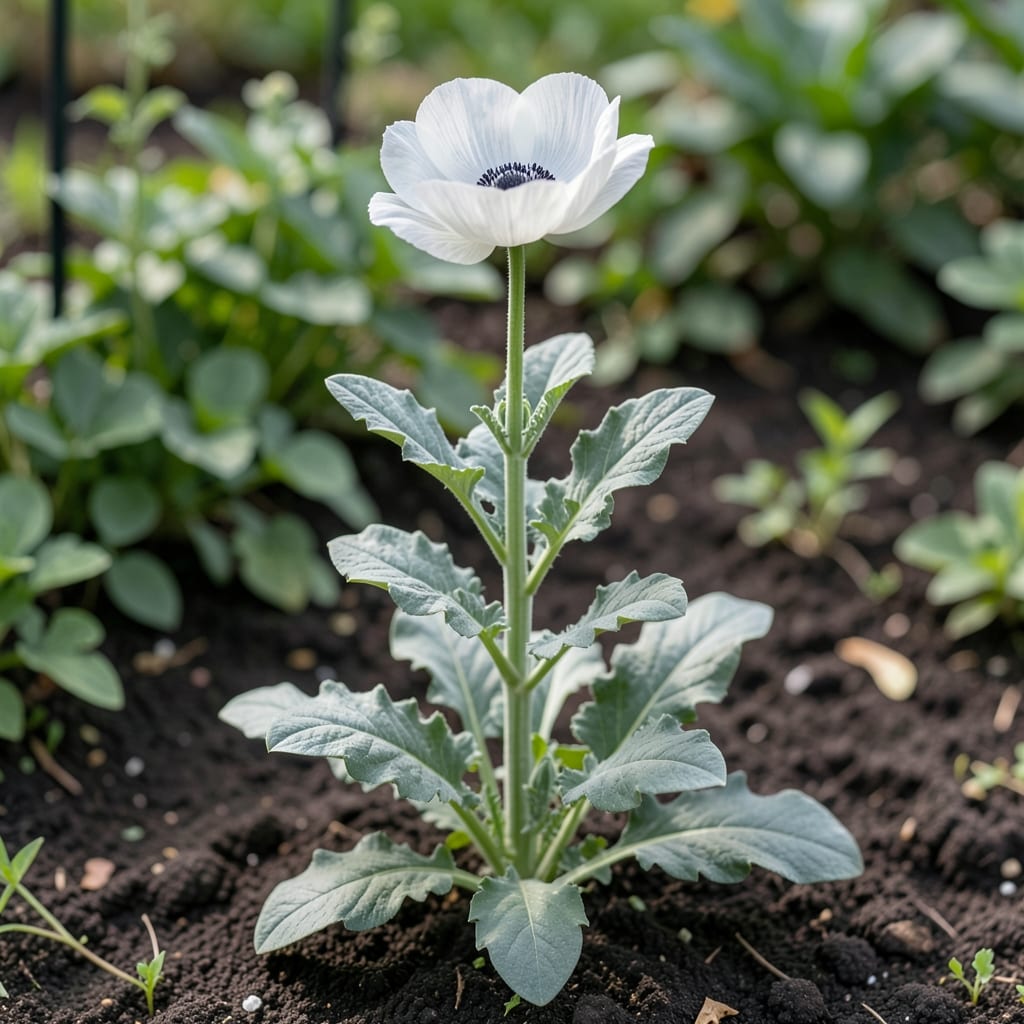
There’s nothing like watching these paper-white blooms catch the morning light. Large white poppies turn any garden into a peaceful retreat with their delicate, luminous petals.
They thrive in full sun and well-draining soil, and with minimal care, you’ll get a dramatic display that stops neighbors in their tracks. Once established, they’re surprisingly drought-tolerant.
📚 In This Guide
This method delivers bold, luminous blooms that transform any garden bed into a breathtaking display.
Choose a location with full sun exposure—at least 6-8 hours of direct sunlight daily. Large white poppies thrive in well-draining soil, so avoid low-lying areas where water pools. I always test drainage by digging a 1-foot hole and filling it with water; if it drains within 1 hour, the spot is ideal.
Work the soil to a depth of 12-18 inches, removing rocks and breaking up clumps. Incorporate 2-3 inches of compost to improve fertility and structure. The soil should feel loose and crumbly, not compacted. This preparation encourages the deep root systems these poppies develop.
If your soil is heavy clay, consider planting in raised beds or amending with coarse sand. Poor drainage is the fastest way to lose these plants to root rot.
Sow seeds directly in early spring or fall, barely covering them with ⅛ inch of soil—these seeds need light to germinate. Space seeds 12-18 inches apart to allow for mature spread. I’ve found that pressing seeds lightly into the soil (rather than burying) improves germination rates significantly.
For transplants, dig holes slightly larger than the root ball and place plants at the same depth they grew in their containers. Space transplants 18-24 inches apart. Water immediately after planting to settle the soil around roots, but avoid soaking the area—soggy soil suffocates new plantings.
You’ll see germination in 10-20 days if soil stays consistently moist but not waterlogged. Seedlings are fragile at this stage, so resist the urge to check on them daily—too much disturbance can damage emerging shoots.
Water deeply once or twice weekly, allowing the top 1-2 inches of soil to dry between waterings. Large white poppies are drought-tolerant once established, but consistent moisture during the first growing season encourages robust root development. I use a soaker hose to deliver water directly to the soil, keeping foliage dry to prevent fungal issues.
Apply a 2-inch layer of organic mulch around plants to retain moisture and suppress weeds. Keep mulch 3 inches away from stems to prevent rot. As plants mature, you’ll notice the foliage becomes silvery-green—a sign they’re thriving in their conditions.
Fertilize lightly with a balanced, low-nitrogen product in early spring. Too much nitrogen produces lush foliage at the expense of flowers. These poppies prefer lean soil, so over-fertilizing often does more harm than good.
Stake tall varieties if needed, though many large white poppies support themselves once established. Use bamboo stakes or decorative metal supports, tying stems loosely with soft twine. I’ve learned that tying too tightly can girdle the stem as it thickens.
Deadhead spent blooms to encourage prolonged flowering, but leave some seed pods if you want self-sowing for next year. These poppies often naturalize beautifully, creating expanding drifts of white blooms over time. Watch for the papery seed pods—they’re striking in dried arrangements too.
Cut back foliage to ground level after it yellows in late summer. This cleans up the garden and allows the plant to focus energy on root storage for next year’s growth. You’ll see new basal foliage emerge in early spring as temperatures warm.
Small details in planting and care make the difference between struggling plants and that breathtaking display you’re after.
The Sunlight Factor: That 6-8 hours of direct sunlight daily in Step 1 isn’t just a suggestion—it’s critical for those luminous blooms. I learned this the hard way when my first planting in partial shade produced weak, sparse flowers. Full sun exposure develops the strong stems and vibrant petals these poppies are known for.
Drainage Test: In Step 1, when testing soil drainage with that 1-foot hole, don’t rush the process. If the water doesn’t drain within 1 hour, you’ll need to amend the soil or choose a different location. Poppies hate wet feet, and poor drainage is the number one cause of root rot in these plants.
Seed Depth Secret: The ⅛ inch soil covering mentioned in Step 2 might seem impossibly shallow, but it’s essential. These seeds need light to germinate, and burying them too deep will prevent sprouting. I use the flat side of a pencil to gently press seeds into the soil—just enough to make contact without covering them completely.
Watering Wisdom: For Step 3’s moisture requirements, remember that “deeply once or twice weekly” means thoroughly soaking the soil to a depth of 12-18 inches. The top 1-2 inches should dry out between waterings to encourage those deep root systems. Overwatering is just as dangerous as underwatering with these plants.
Plant large white poppies in early spring or fall for cool-season growth. They thrive in mild temperatures (60-70°F) and need full sun . Avoid extreme heat or frost for optimal blooming.
Water moderately, keeping soil moist but well-drained. Deadhead spent blooms to encourage more flowers. Fertilize lightly with a balanced mix. These poppies are low-maintenance but appreciate good airflow to prevent disease.
Yes! Try Iceland poppies (similar look, cold-hardy) or white peonies for a lush alternative. For drought-tolerant options, consider white yarrow or shasta daisies.
Wilting often signals overwatering or poor drainage. Check soil moisture—let it dry slightly between waterings. Fungal diseases (like powdery mildew) can also cause wilting; improve airflow and avoid overhead watering.
Yes! Use a deep pot (12+ inches) with well-draining soil. Ensure full sun exposure and water when the top inch of soil feels dry. Container-grown poppies may need staking for support.