
Beautiful Plants For Your Interior
Beautiful Plants For Your Interior
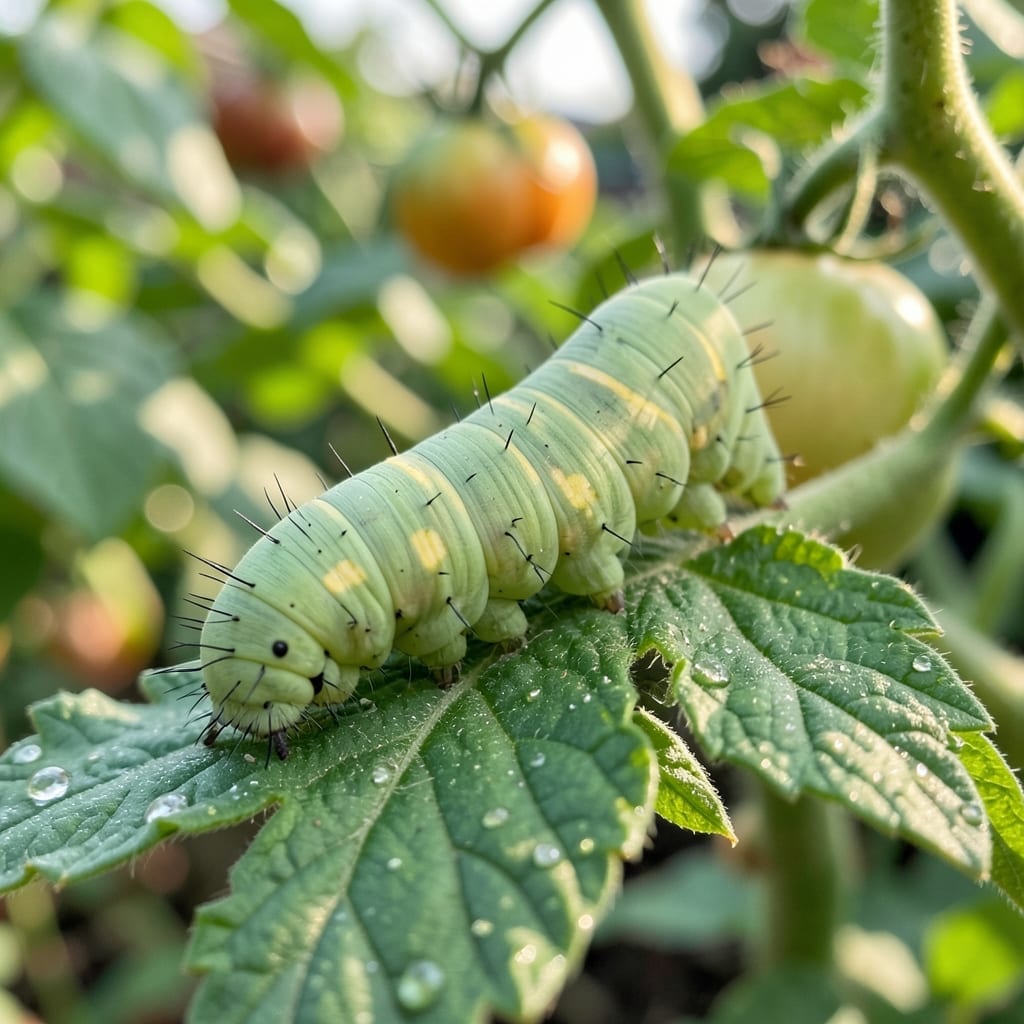
Spotted a large light green caterpillar on your plants? I’ve been there—watching my kale disappear overnight. These pests blend in perfectly, making them hard to spot until the damage is done.
They target leafy greens, tomatoes, and even flowers, but don’t panic. Most caterpillars are harmless to humans and can be managed without harsh chemicals. The key is acting fast before they multiply.
Hand-picking works for small infestations, but for bigger problems, organic sprays or natural predators can save your garden. The goal is healthy plants without harming the ecosystem.
Prevention is simpler than you think. Regular checks and encouraging birds or beneficial insects keep them from returning next season.
The presence of a large light green caterpillar in your garden is rarely random. These creatures thrive under specific conditions, often tied to environmental and biological factors. Below are the primary reasons why they show up in your plants.
Many light green caterpillars, such as the Tomato Hornworm or Cabbage Looper, are highly selective about their food sources. They lay eggs on host plants like tomatoes, peppers, cabbage, or broccoli. If your garden is rich in these species, it naturally attracts egg-laying adult moths or butterflies. The caterpillars hatch and immediately begin feeding, growing rapidly due to the abundant food supply.
Caterpillars are cold-blooded and rely on external heat to regulate their metabolism. Warm temperatures (70–85°F) accelerate their growth, while high humidity keeps their soft bodies from drying out. Late spring and summer are peak seasons for these pests because the conditions are ideal for both egg survival and larval development.
A garden lacking biodiversity often becomes a haven for caterpillars. Natural predators like parasitic wasps, birds, and ladybugs help control their population. If these beneficial insects or animals are absent—due to pesticide use or habitat loss—caterpillars face little resistance. They multiply quickly, leading to noticeable infestations on your plants.
Excess nitrogen in the soil promotes lush, tender foliage—the perfect food for caterpillars. Over-fertilizing, especially with high-nitrogen blends, can create an all-you-can-eat buffet for these pests. Balanced fertilization and soil testing can help prevent unintentionally rolling out the welcome mat.
If you’ve spotted a large light green caterpillar munching on your plants, act fast but gently. These pests can quickly defoliate leaves, but with the right approach, you can protect your garden without harming the ecosystem. Here’s how to tackle the problem effectively:
For small infestations, the simplest solution is manual removal. Put on gardening gloves and carefully pluck the caterpillars off the plants. Drop them into a bucket of soapy water to ensure they don’t return. Pro tip 💡: Check the undersides of leaves—they love to hide there!
Prevent caterpillars from reaching your plants by creating physical barriers. Wrap a band of cardboard or burlap around the base of the plant and coat it with sticky insect tape. This traps crawling pests before they can climb up. For added protection, sprinkle diatomaceous earth around the soil—it dehydrates caterpillars on contact.
Attract birds, ladybugs, and parasitic wasps to your garden—they’re nature’s pest control! Install a bird feeder or plant native flowers like dill, fennel, or marigolds to invite beneficial insects. Avoid broad-spectrum pesticides, as they can harm these helpful allies.
For larger infestations, use neem oil or Bacillus thuringiensis (Bt), a natural bacteria that targets caterpillars without harming other insects or plants. Spray in the early morning or late evening for best results, and reapply after rain. Pro tip ✨: Test on a small area first to ensure your plants tolerate the treatment.
By combining these methods, you can keep your garden thriving while minimizing harm to the environment. Stay vigilant—early action is the key to a caterpillar-free garden!
Most are harmless but some may cause mild skin irritation. Wear gloves when handling and wash hands afterward to be safe.
They love leafy greens like kale and cabbage, plus tomatoes and peppers. Check these first if you notice leaf damage.
Encourage birds by adding a bird bath or feeder. Plant dill or marigolds to attract beneficial insects that eat caterpillar eggs.
Inspect plants in early morning or late evening when caterpillars are most active. Look under leaves for eggs or small larvae.