
Beautiful Plants For Your Interior
Beautiful Plants For Your Interior
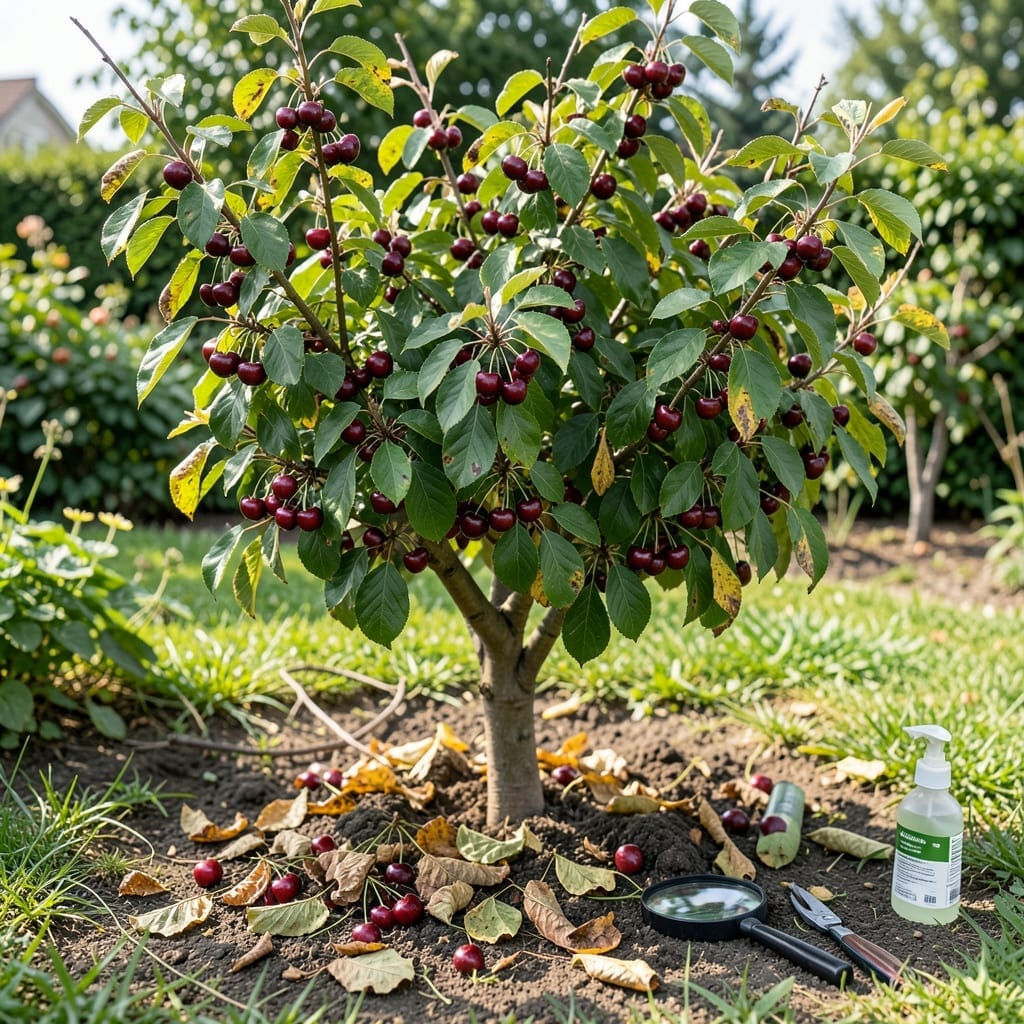
Lapin cherries are my favorite, but even these hardy trees hit snags. I’ve battled leaf spots, stunted growth, and mystery wilting in my own orchard.
Most issues trace back to three culprits: moisture mismanagement, poor air circulation, or pest pressure. Catching symptoms early—yellowing leaves, oozing cankers, or curled foliage—saves seasons of regret.
With the right adjustments, your tree can bounce back stronger. I’ve turned struggling Lapins into productive powerhouses with consistent care and a few targeted fixes.
Small tweaks now prevent bigger headaches later. Let’s keep your cherries thriving for years to come.
The Lapin cherry tree, while hardy, can face issues due to environmental, biological, and cultural factors. Understanding the root causes helps prevent and address them effectively. Below are the primary reasons behind common Lapin cherry tree problems.
Excess moisture and poor air circulation create ideal conditions for fungal diseases like brown rot and powdery mildew. These pathogens thrive in humid environments, especially when leaves remain wet for extended periods. Overhead watering or dense canopies exacerbate the issue.
Insects such as aphids, cherry fruit flies, and scale feed on the tree’s foliage, sap, or fruit. Weakened trees (due to stress or improper care) are more susceptible. Pests often spread rapidly in untended orchards, leading to stunted growth or reduced yields.
Extreme temperatures, drought, or waterlogged soil stress the Lapin cherry tree. Heatwaves can scorch leaves, while frost damage may kill blossoms. Poor drainage causes root rot, as the roots suffocate in saturated soil. Inconsistent watering also triggers stress responses, making the tree vulnerable to disease.
Lack of essential nutrients (e.g., nitrogen, potassium, or iron) weakens the tree’s immune system. Yellowing leaves (chlorosis) or stunted growth often signal soil imbalances. Over-fertilization, especially with nitrogen, can also promote leafy growth at the expense of fruit production.
Improper pruning (e.g., timing or technique) can introduce infections or weaken the tree’s structure. Using unsterilized tools spreads pathogens between cuts. Additionally, planting in poorly suited soil or ignoring spacing requirements leads to competition for resources and increased disease risk.
When your Lapin cherry tree shows signs of trouble, quick and targeted action can restore its health. Below are practical fixes for the most common problems, paired with prevention tips to keep issues from returning.
If you spot leaf spots, powdery mildew, or brown rot, start by pruning affected branches to improve airflow. Remove fallen leaves and debris around the tree to reduce spores. Apply a copper fungicide or neem oil spray every 7–10 days until symptoms fade. Prevention tip: Space trees 12–15 feet apart and water at the base to keep foliage dry. 💡
For aphids, cherry fruit flies, or scale insects, blast them off with a strong stream of water or use insecticidal soap. For severe cases, apply spinosad or horticultural oil at dawn or dusk. Hang yellow sticky traps to monitor fruit flies. Prevention tip: Encourage beneficial insects like ladybugs by planting companion flowers. ✨
Yellowing leaves or leaf drop often signal over- or under-watering. Check soil moisture 2 inches deep—it should feel damp but not soggy. Water deeply 1–2 times per week, more in extreme heat. Mulch with 2–3 inches of organic matter to retain moisture. Prevention tip: Use drip irrigation to deliver water directly to roots. 🌡️
Pale leaves or stunted growth may indicate a lack of nitrogen, iron, or potassium. Use a balanced 10-10-10 fertilizer in early spring, or opt for a cherry-specific formula. For iron deficiency (yellow leaves with green veins), apply chelated iron. Prevention tip: Test soil every 2–3 years and amend as needed. 🎯
Check weekly during growing season for early signs like spotted leaves or curled foliage. Catch problems before they spread to save time and effort later.
Prune for airflow, remove debris, and avoid overhead watering. Apply copper fungicide preventatively in wet seasons.
Yes! A strong water spray removes aphids, while neem oil treats many pests. For severe infestations, use horticultural oil at dusk.
Test soil 2 inches deep—if dry, water deeply. Wilting leaves in morning indicate thirst.