
Beautiful Plants For Your Interior
Beautiful Plants For Your Interior
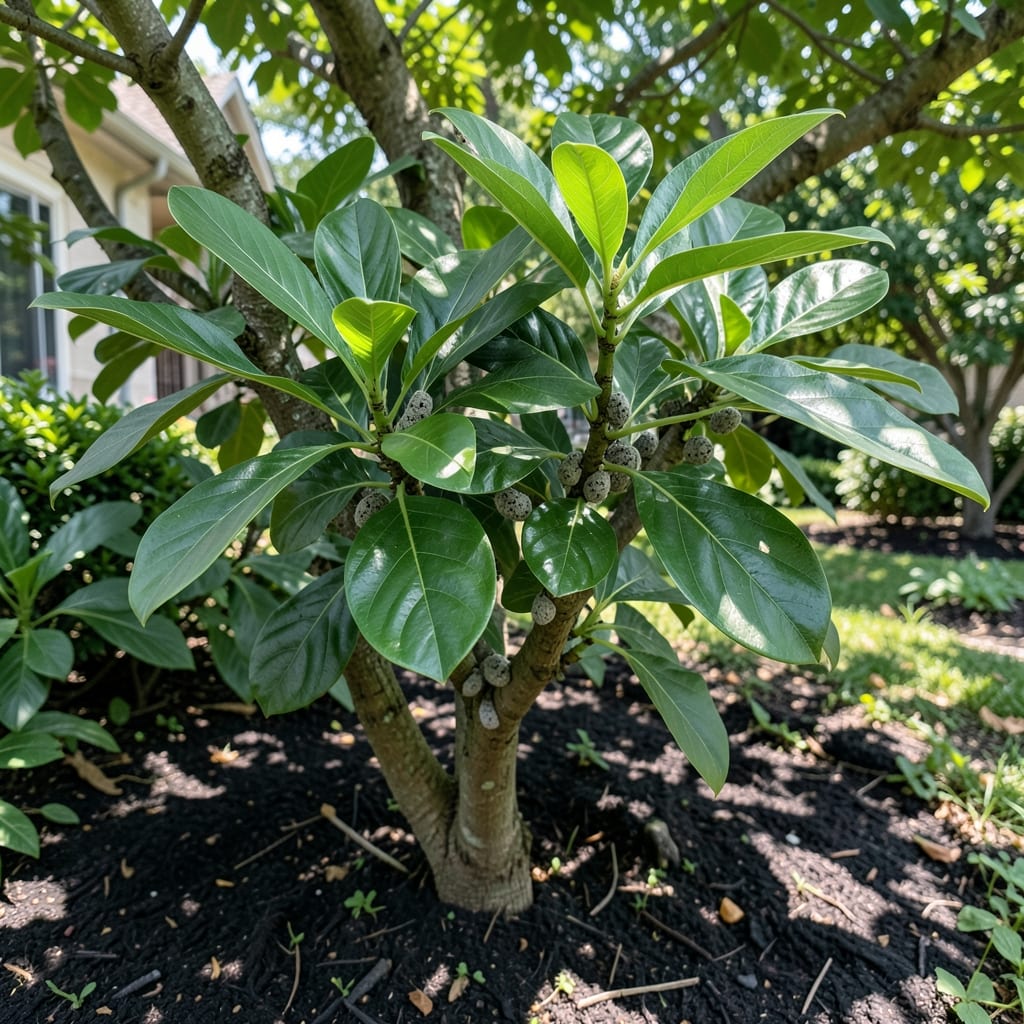
Lanternfly eggs on leaves appear as gray, mud-like patches about an inch long. They’re laid in rows of 30-50 and can be scraped off with a card into a sealed bag with alcohol or soap to kill them.
I’ve found these egg masses often blend in with bark or dried foliage, making them tricky to spot at first glance. 🔥 They’re most commonly laid on tree of heaven, willow, and maple leaves in late fall. The mud-like coating hardens to protect the eggs through winter, so early detection and removal are crucial to stop the next generation from hatching.
💡 In This Article
Lanternfly egg masses have a distinctive mud-like coating that hardens to protect the developing embryos. This gray, cracked surface resembles dried clay and typically measures 1 inch long by 0.5 inches wide. The texture feels rough and slightly raised, unlike natural leaf discoloration which is usually flat and smooth. 🔥
These masses are strategically laid in straight rows of 30-50 eggs on the undersides of leaves or tree bark. The females choose locations that offer both protection from predators and exposure to sunlight. On leaves, they often appear along the midrib or major veins where the surface is most stable.
Seasonal timing is crucial for identification. Egg laying occurs from September through November, with the masses becoming visible as the protective coating dries. In winter, they turn from gray to a more weathered brown, but maintain their rectangular shape.
The eggs themselves are tiny (1-2mm) and white when first laid, darkening to gray as they develop.
Common host plants include tree of heaven, willow, and maple, but they can appear on any smooth surface. The masses are often mistaken for patches of dried mud or lichen. A key identifier is the uniform, grid-like pattern visible under magnification, created by the individual egg casings.
Early detection is easiest in late fall when the masses are fresh and most visible. As winter progresses, they become more camouflaged against bark. Using a flashlight at an angle can help reveal their slightly raised texture against the leaf surface. ✨
They appear as gray, mud-like patches about 1 inch long with a cracked surface. The texture feels slightly raised and rough, unlike natural leaf discoloration.
Check from September through November when females lay eggs. They become more visible as the protective coating dries and hardens.
Use a plastic card to scrape masses into a sealed bag with 1 cup of alcohol or soapy water. Let it sit for 24 hours to kill them completely.
Never crush masses directly on plants—this can spread viable eggs. Always collect first, then destroy properly in outdoor trash.