
Beautiful Plants For Your Interior
Beautiful Plants For Your Interior
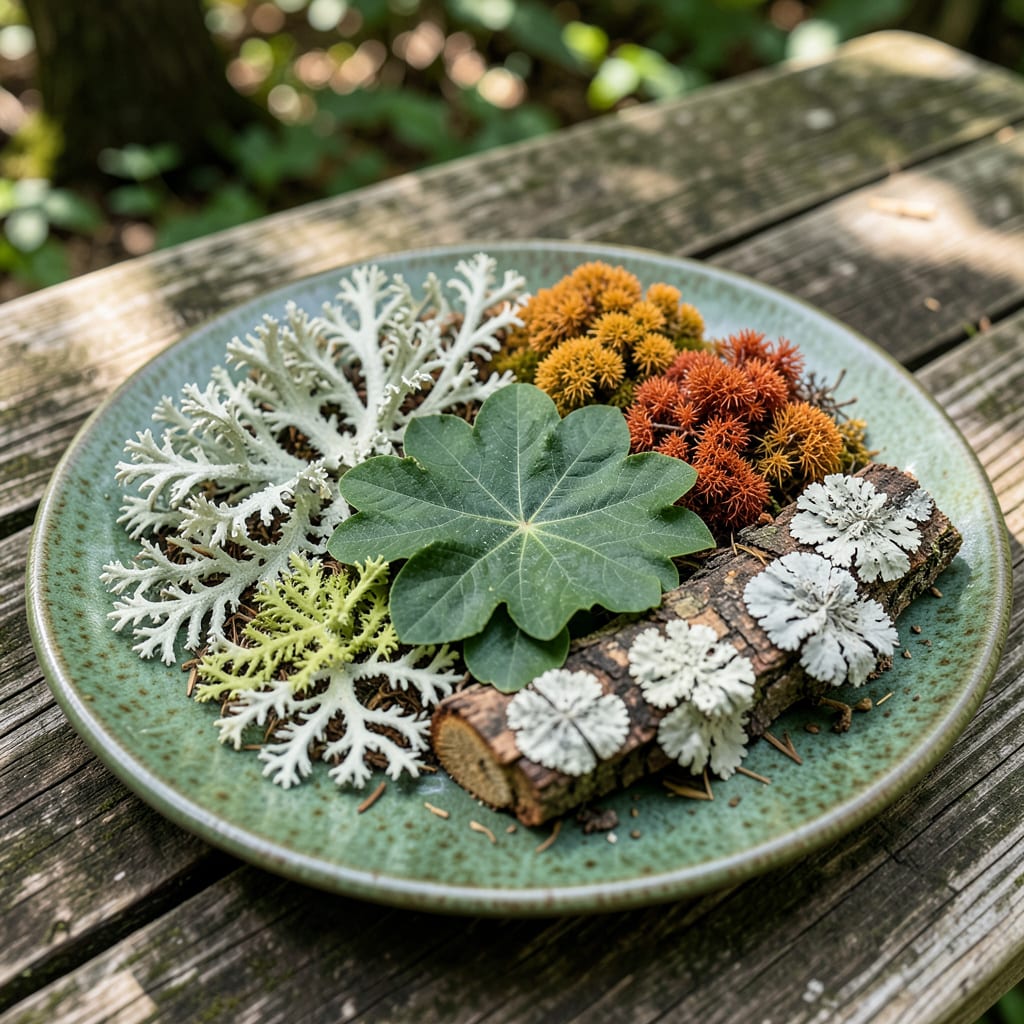
That gray-green crust on your tree bark isn’t necessarily a death sentence. I’ve seen lichen and fungus fool even experienced gardeners into panicking about their tree’s health.
Here’s the thing—lichen is often harmless, while certain fungi can signal trouble. The key is learning to spot the differences in color, texture, and growth patterns before assuming the worst.
You’ll notice lichen’s flat, leafy appearance versus the puffy, discolored patches of harmful fungi. This simple distinction saves you from unnecessary treatments and helps you take action when it actually matters.
Works for oak, maple, pine, or any tree in your yard. Let’s clear up the confusion.
Lichen, tree bark fungus, and other growths appear for specific biological and environmental reasons. Understanding these causes helps in both identification and prevention.
Lichens are a partnership between fungi and algae or cyanobacteria. The fungus provides structure and moisture retention, while the algae or cyanobacteria supply food via photosynthesis. This mutualistic relationship thrives in stable, undisturbed environments, often taking root on tree bark where competition from other plants is low.
High humidity and consistent moisture levels create ideal conditions for lichen and fungus growth. Trees in damp climates, shaded areas, or regions with frequent rain or fog are particularly susceptible. The bark retains moisture, offering a perfect substrate for spores to germinate and colonize.
Weak or damaged trees with cracked, rough, or aging bark provide more surface area and nutrients for lichens and fungi to attach. While these organisms don’t typically harm healthy trees, they can indicate underlying stress, such as poor soil conditions, root damage, or disease. Older trees with slower growth rates are also more prone to colonization.
Some lichens and fungi thrive in polluted environments, using airborne nutrients or tolerating high levels of certain chemicals. For example, specific lichen species are known to indicate air quality, as they absorb minerals and pollutants directly from the atmosphere. Conversely, a sudden increase in bark fungi may signal environmental imbalances.
Dealing with lichen, tree bark fungus, or other growths on your trees? Here’s how to tackle each issue and keep your trees healthy.
Lichen itself isn’t harmful, but if you want to remove it for aesthetic reasons:
Prevention tip: 💡 Keep trees healthy with proper watering and fertilization to minimize lichen buildup.
Fungal infections on tree bark require prompt action:
Prevention tip: 🌡️ Avoid overhead watering to reduce moisture on the bark, and prune trees to improve airflow.
Prevent future problems with these habits:
Pro tip: ✨ Healthy trees are less susceptible to pests and diseases—prioritize overall tree health!
No, lichen is harmless to healthy trees. It’s a symbiotic organism that uses the bark only for support, not for nutrients. In fact, its presence often indicates good air quality.
Lichen appears flat, crusty, or leafy and comes in gray, green, or yellow tones. Fungus often looks puffy, discolored, or wet, and may cause bark peeling. Check for these visual differences first.
Yes, use a soft brush with soapy water for gentle scrubbing. Avoid harsh chemicals or power washing, as these can injure the bark. Improving sunlight exposure also helps prevent regrowth.
This could indicate a fungal infection. Remove affected bark with a sterilized tool and apply a copper-based fungicide. Dispose of debris immediately to prevent spreading.
