
Beautiful Plants For Your Interior
Beautiful Plants For Your Interior
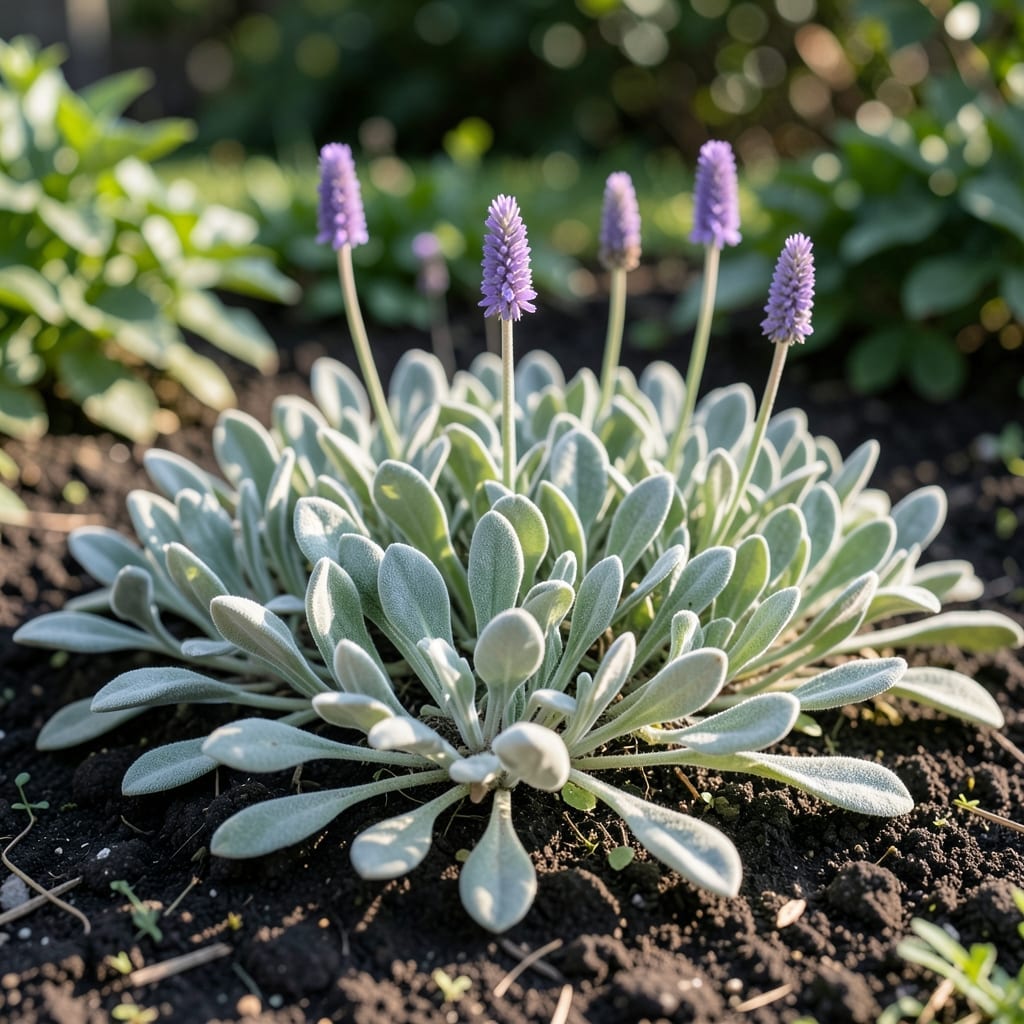
That fuzzy gray invader creeping across your flower beds isn’t cute. Lambs ear weed looks soft but spreads aggressively, choking out your prized plants and stealing nutrients from the soil.
I’ve battled this persistent plant in my own garden for years. The key is catching it early—before it sets seed and creates a never-ending cycle of new growth. Pulling by hand works for small patches, but you need a smarter approach for larger infestations.
Organic removal is absolutely possible with consistent effort. A little daily attention now saves you hours of backbreaking work later. The trick is persistence and the right techniques for your specific soil and climate.
Your garden can thrive again once this invasive plant is under control. The process isn’t complicated, just methodical. Here’s what actually works.
The appearance of Stachys byzantina (commonly known as lamb’s ear) as a weed in gardens often stems from its aggressive spreading habits and ideal growing conditions. Below are the primary causes:
Lamb’s ear thrives in moist, well-drained soil. Excessive watering or compacted soil that traps moisture can create the perfect environment for its seeds to germinate and spread. Ensure your garden has proper drainage to discourage its growth.
This plant prefers loamy, slightly alkaline soil with a pH between 6.0 and 7.5. If your garden soil fits this profile, lamb’s ear may take hold easily. Testing and amending your soil can help prevent its establishment.
Bare or sparsely planted garden areas provide open space for lamb’s ear to colonize. Dense planting with ground covers or mulching can block sunlight and limit its ability to grow.
Lamb’s ear reproduces via seeds, which can be carried by wind or spread by animals. If neighboring gardens or wild areas have this plant, seeds may drift into your space. Regularly check for and remove new growth to prevent infestations.
Tackling lambs ear weed starts with understanding its weaknesses. Below are actionable fixes for common causes, paired with prevention tips to keep your garden thriving.
Fix: Hand-pull young plants before they seed, ensuring you remove the entire root. For larger patches, use a hoe to sever roots just below the soil surface. Best time: Early morning when soil is moist for easier removal.
Prevent: Apply a 2–3 inch layer of mulch (straw or wood chips) to smother new growth. Reapply annually to maintain effectiveness.
Fix: Spot-treat with a vinegar-based herbicide (1 gallon vinegar + 1 cup salt + 1 tbsp dish soap) on sunny days. Avoid overspray to protect surrounding grass. For stubborn areas, solarize by covering with clear plastic for 4–6 weeks.
Prevent: Mow high (3–4 inches) to shade out weed seeds. Overseed bare spots in fall with dense, competitive grass varieties.
Fix: Improve drainage by amending soil with compost or sand. For existing weeds, dig out clumps and replace with drought-tolerant ground covers like creeping thyme.
Prevent: Install French drains or redirect downspouts to avoid water pooling. Use raised beds in problem zones.
Look for fuzzy, silver-gray leaves forming low rosettes. It produces purple flower spikes in spring or early summer. The soft texture is unmistakable, but don’t let the appearance fool you—it spreads quickly.
Vinegar-based sprays work on young plants but may require repeated applications. For established growth, combine with salt and dish soap for better results. Always apply on sunny days for maximum effectiveness.
Avoid composting if seed heads are present—they’ll sprout new plants. Only compost if you’re certain the plants haven’t flowered. Burning is safer for heavily infested material.