
Beautiful Plants For Your Interior
Beautiful Plants For Your Interior
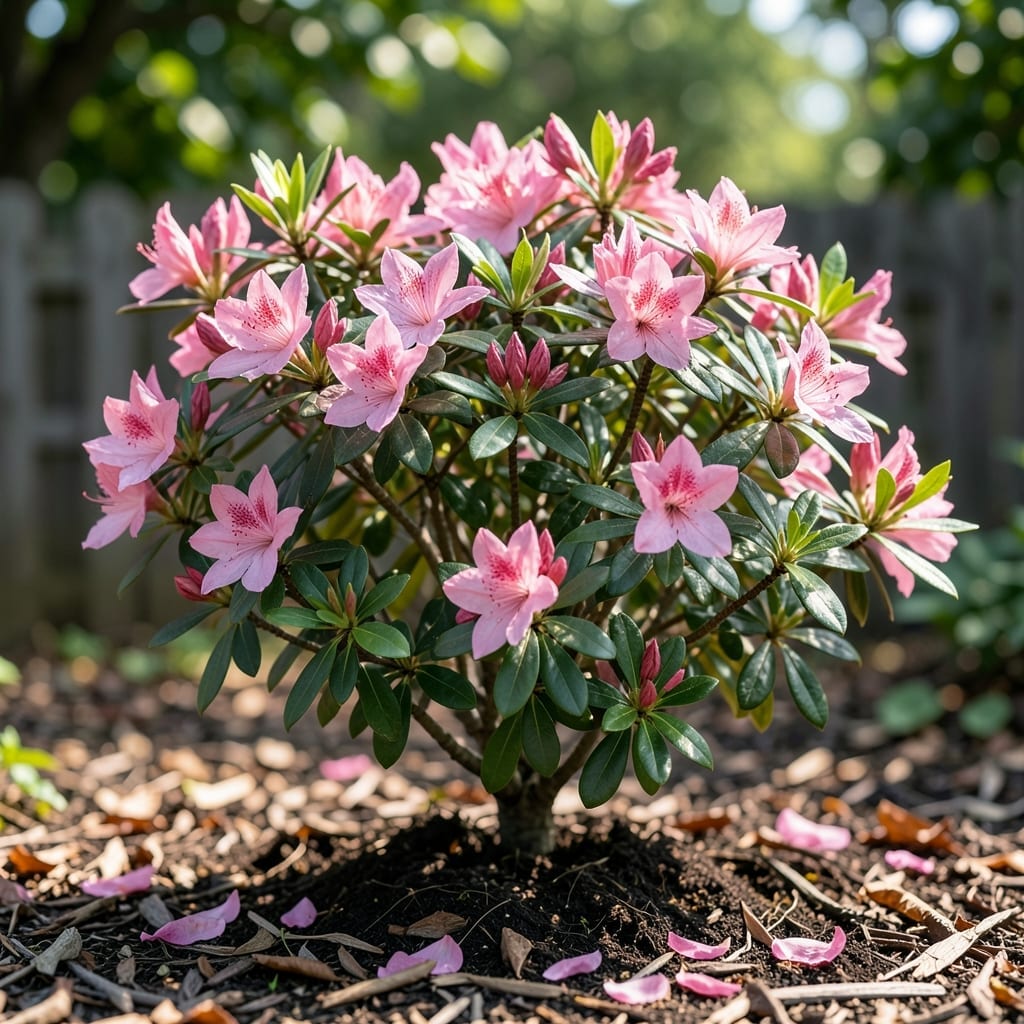
There’s something magical about watching 🌸 Azalea shrubs burst into color each spring. But their stunning blooms only appear when you provide the right environment.
Many gardeners struggle with these beautiful plants because they overlook a few critical growing requirements. The good news? With the right knowledge, anyone can create the perfect home for Azaleas.
From soil acidity to sunlight exposure, I’ll walk you through exactly what these shrubs need to flourish. The difference between lackluster and spectacular blooms often comes down to these details.
Discover how to transform your garden with thriving Azaleas that return year after year with vibrant, healthy growth.
To grow vibrant azaleas, you need to nail the light conditions. These shrubs thrive in partial shade, ideally 4-6 hours of morning sun with afternoon protection. Too much direct sun can scorch their leaves.
Dappled light under tall trees mimics their natural habitat. Avoid deep shade, as it reduces blooming. East-facing locations are perfect for balanced exposure.
Azaleas prefer mild temperatures between 60-75°F. They’re hardy in USDA zones 5-9, but extreme heat or cold can stress them. In hotter climates, provide extra shade.
During winter months, apply a 2-3 inch mulch layer to protect roots from freezing. In summer, consistent watering prevents heat stress and keeps blooms lush.
If you’re in a cooler zone, plant azaleas in a sheltered spot. Wind protection helps prevent desiccation. Container-grown azaleas can be moved indoors during harsh winters.
Morning sun is gentler and dries dew quickly, reducing fungal risks. Afternoon shade prevents petal scorch. This balance ensures healthy growth and abundant flowers.
For best results, monitor your azaleas for signs of stress. Yellowing leaves may indicate too much sun, while sparse blooms suggest insufficient light.
In humid climates, azaleas thrive with minimal extra care. In dry areas, regular misting and mulching help maintain moisture levels around the roots.
With the right light and temperature, your azaleas will reward you with stunning, long-lasting blooms every spring 🌸
I’ve found that azaleas thrive in acidic soil with a pH of 4.5-6.0. This acidity helps them absorb essential nutrients like iron and aluminum, which are critical for vibrant blooms and healthy foliage.
To check your soil, I recommend using a pH test kit. If the soil isn’t acidic enough, amending it with peat moss or sulfur can lower the pH effectively.
🌱 Key Takeaway
Azaleas need acidic soil (pH 4.5-6.0) with good drainage and organic matter for optimal growth and blooming.
Drainage is just as important as acidity. Azaleas hate soggy roots, so I always ensure the planting area has well-draining soil. Mixing in compost or pine bark can improve both drainage and nutrient content.
For nutrients, I avoid heavy fertilizers. Instead, I use a balanced, acid-forming fertilizer specifically designed for azaleas. Applying it in early spring and early summer gives them the boost they need.
Organic matter like leaf mold or well-rotted manure can also enhance soil structure. I work these into the top 6-8 inches of soil before planting to create a rich, fertile environment.
Remember, mulching helps retain moisture and maintain soil temperature. I use a 2-3 inch layer of pine straw or wood chips around the base, keeping it away from the stems to prevent rot.
With the right soil, your azaleas will reward you with lush growth and stunning flowers year after year 🌷