
Beautiful Plants For Your Interior
Beautiful Plants For Your Interior
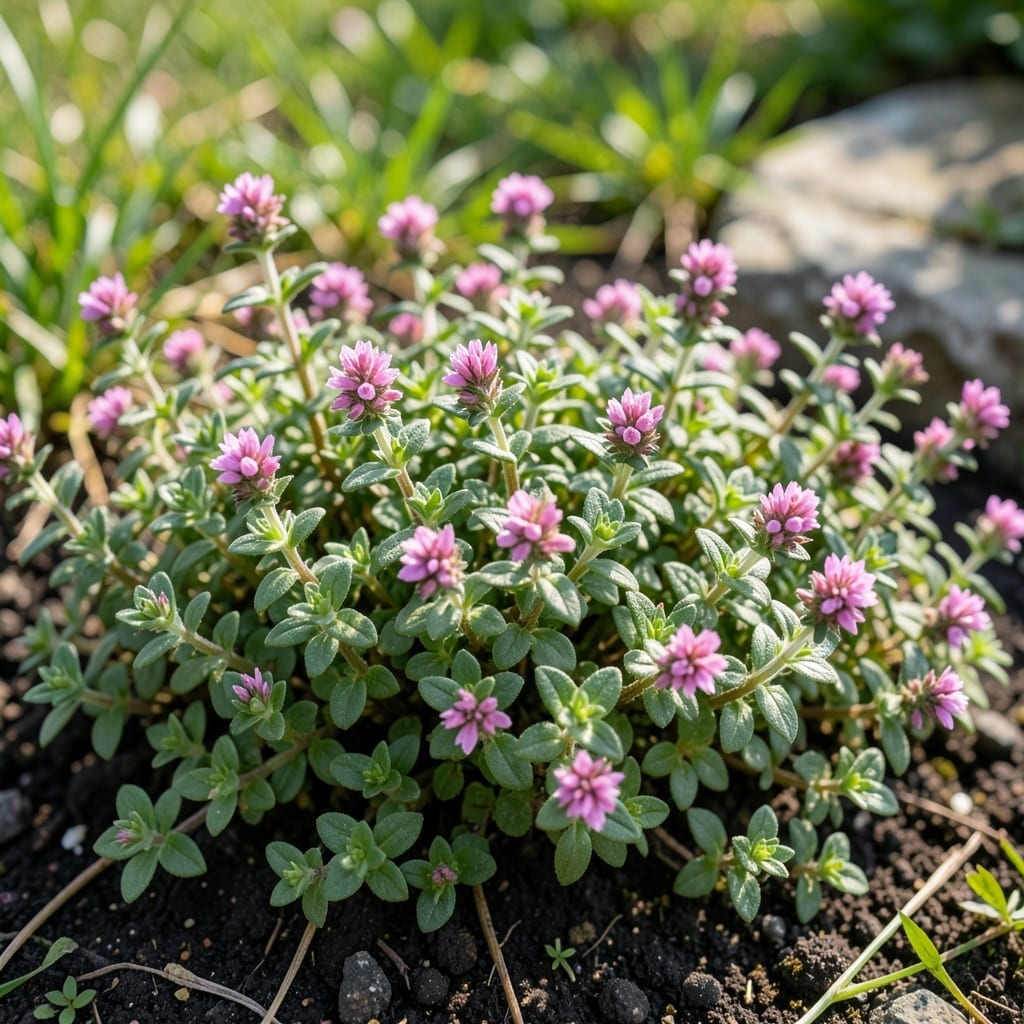
Imagine stepping onto a living carpet of fragrant green that thrives where other plants struggle. That’s the magic of Creeping Thyme 🌿 when matched with the right climate.
This hardy ground cover doesn’t just survive—it transforms bare patches into pollinator paradises with minimal effort from you. But its success hinges on one key factor: planting it where it belongs.
From the chilly edges of zone 4 to the warmer reaches of zone 9, this plant adapts beautifully. I’ll show you how to leverage your local conditions for the lushest results.
Discover the simple secrets to letting this low-maintenance wonder spread its vibrant charm across your garden.
If you’re wondering where creeping thyme will thrive, the answer lies in USDA zones 4-9. This hardy ground cover handles cold winters and hot summers with ease, making it a versatile choice for many regions.
In zone 4, it survives sub-zero temperatures, while in zone 9, it tolerates heat and drought like a champ. The key is well-draining soil and full sun exposure for at least 6 hours daily.☀️
| Requirement | Specification |
|---|---|
| USDA Zones | 4-9 |
| Sun Needs | Full sun (6+ hours) |
| Soil Type | Well-draining, sandy or loamy |
| Water Needs | Low (drought-tolerant) |
| Mature Height | 2-6 inches |
In cooler zones (4-6), creeping thyme may die back in winter but regrows in spring. A light mulch layer can protect roots from freeze-thaw cycles in these areas.
For warmer zones (7-9), this plant stays evergreen year-round. However, afternoon shade can help prevent heat stress in peak summer months in zone 9.
I’ve found that soil preparation is crucial. Amend heavy clay with compost or sand to improve drainage. Creeping thyme hates soggy roots, so avoid waterlogged spots.🌱
Spacing matters too. For a dense ground cover, plant 12-18 inches apart. It spreads 12-24 inches wide, so give it room to fill in naturally.
In humid climates, ensure good air circulation to prevent fungal issues. Morning watering allows foliage to dry quickly, reducing disease risk.💧
If you’re in zone 4, plant in spring after frost to establish before winter. In zone 9, fall planting works well to avoid summer heat stress.
Pollinators love creeping thyme—its tiny flowers attract bees and butterflies. This makes it a great choice for eco-friendly gardens in any zone.🌿
Remember, well-draining soil and full sun are non-negotiable for creeping thyme. Stick to these basics, and it’ll reward you with a fragrant, low-maintenance carpet of green.
Planting creeping thyme in the right USDA zones 4-9 ensures a lush, fragrant ground cover. I always start by testing my soil’s drainage since this plant despises soggy roots. Full sun and well-draining soil are non-negotiable for thriving growth.
For best results, plant in early spring or early fall. Space plants 12-18 inches apart to allow for their spreading habit. Water deeply after planting, but avoid overwatering—this herb is drought-tolerant once established.
Steps to Plant Creeping Thyme
In colder zones (4-6), mulch heavily in late fall to protect roots from freeze-thaw cycles. In warmer zones (7-9), ensure afternoon shade if summers are scorching. This adaptability makes creeping thyme a favorite for many gardeners.
I’ve found that sandy or loamy soil works best. If your soil is heavy clay, amend it with compost or sand to improve drainage. creeping thyme’s shallow roots need room to breathe and spread.
Once established, reduce watering frequency. Overwatering leads to root rot, while drought stress strengthens the plant’s aroma and flavor. A light trim after flowering encourages denser growth and more blooms.
For pollinator-friendly gardens, plant near walkways where its fragrance can be enjoyed. Its tiny flowers attract bees and butterflies, making it a dual-purpose ground cover that’s as beautiful as it is practical.