
Beautiful Plants For Your Interior
Beautiful Plants For Your Interior
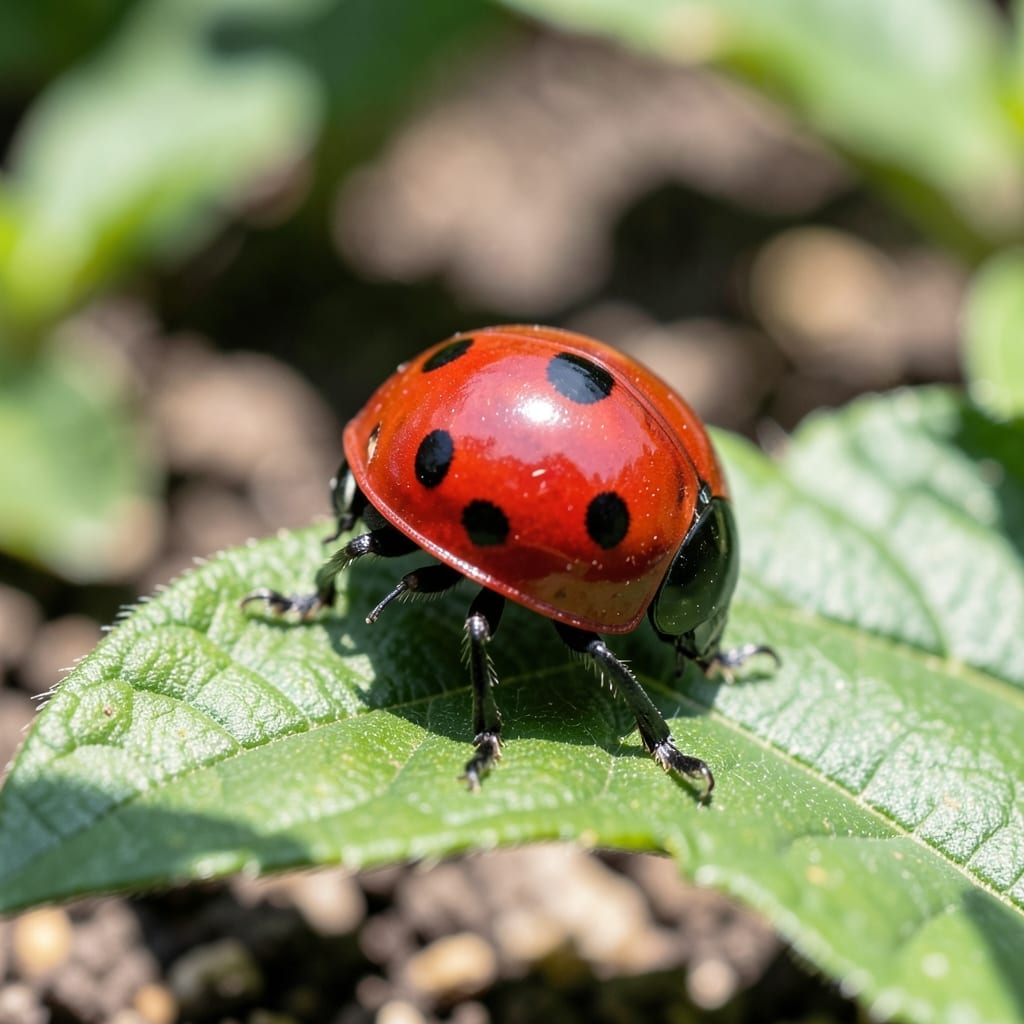
Not all spotted beetles are garden heroes. I learned this the hard way when what I thought were ladybugs devoured my rose buds overnight.
The real deal has a rounded, bright red or orange shell with black spots. Imposters often sport yellow-orange hues, more angular bodies, or a distinctive “M” behind their heads.
True ladybugs eat aphids by the hundreds daily. Their doppelgangers? Some bite, some stink, and others will munch your plants. Spot the difference before they do damage.
Once you can tell friend from foe, you can actively invite the helpers and show the others the door. Your garden will thank you.
Identifying whether an insect is a ladybug or an imposter can be tricky, especially for orchid growers. The confusion often arises due to similar appearances and overlapping habitats. Below are the key reasons why this mix-up happens:
Many beetles mimic ladybugs (Coccinellidae) in color and shape. For instance, the Asian lady beetle (Harmonia axyridis) closely resembles native ladybugs but can be invasive and harmful to plants. Their similar red-and-black patterns make visual identification difficult without closer inspection.
Ladybug species vary by region, and some beneficial insects in one area may be pests in another. For example, the Mexican bean beetle looks like a ladybug but feeds on orchid leaves. Regional differences in coloration and behavior add to the confusion.
Predatory insects often evolve to resemble harmless species (Batesian mimicry) to avoid predators. Some harmful beetles adopt the bright, spotted appearance of ladybugs to deter threats, making it harder for gardeners to distinguish friends from foes.
To avoid misidentification, examine the insect’s shape, leg count, and behavior—ladybugs are dome-shaped with six legs and feed on aphids, while many imposters have flattened bodies or chew foliage.
Identifying whether the insect in your orchid is a helpful ladybug or a harmful imposter comes down to a few key details. Here’s how to solve the mystery and keep your plants safe.
True ladybugs are round or oval with a smooth, domed back. If the insect is elongated, flat, or has a rough texture, it’s likely not a ladybug. Harmful look-alikes, like the Mexican bean beetle, often have a more elongated body. Prevention tip: 💡 Regularly inspect your orchids for unusual shapes or sizes to catch impostors early.
Ladybugs typically have bright red, orange, or yellow bodies with black spots. However, some beneficial species may be black with red spots. Be wary of insects with no spots, fuzzy bodies, or dull colors—these are often pests. Prevention tip: 🎯 Use a magnifying glass to spot subtle differences in patterns or textures.
Ladybugs have short legs and club-shaped antennae. If the insect has long legs, a narrow waist, or straight antennae, it might be a harmful beetle or mite. Prevention tip: ✨ Gently place the insect on a white sheet of paper to observe its movements and body structure more clearly.
Ladybugs do not harm plants—they feed on pests like aphids. If you notice chewed leaves, webbing, or stunted growth, the insect is likely a pest. Prevention tip: 🌡️ Remove and isolate affected plants to prevent the spread of harmful insects.
When in doubt, snap a photo and compare it to a trusted visual guide or consult a local gardening expert. Keeping your orchids healthy starts with knowing friend from foe!
Look for an elongated body or dull colors. True ladybugs are round with bright red or orange shells. Asian lady beetles often have an “M” shape behind their heads.
No. Some, like soldier beetles, resemble ladybugs but feed on different insects. Only Coccinellidae species target aphids and other plant pests.
It’s called Batesian mimicry. Harmful insects copy the bright colors and patterns to scare off predators, tricking gardeners too.
Yes! Gently move non-ladybugs far from your garden. Use a jar and paper to transport them without harm.