
Beautiful Plants For Your Interior
Beautiful Plants For Your Interior
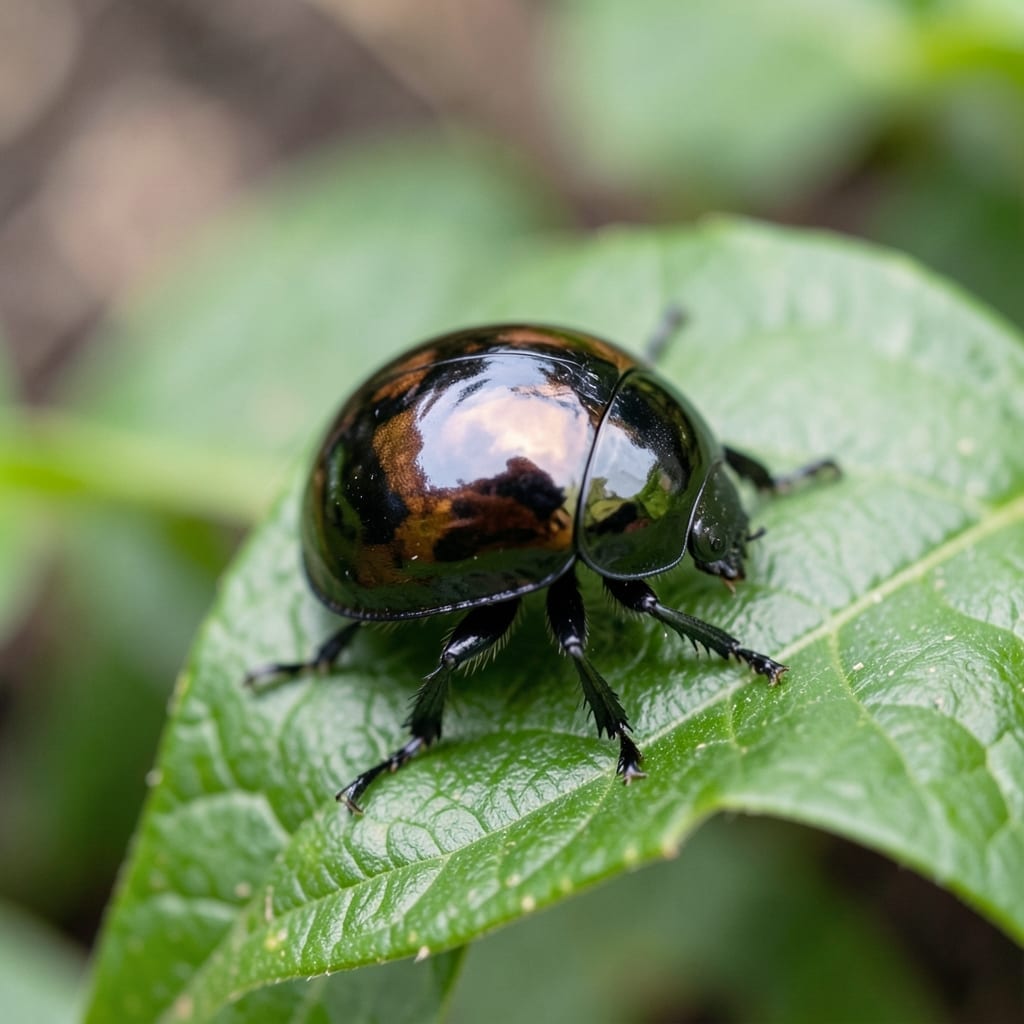
Lady beetles are nature’s tiny pest controllers, but not all are created equal. Discover 10 distinct types of these beneficial insects that can transform your garden’s health while adding vibrant splashes of color to your outdoor space.
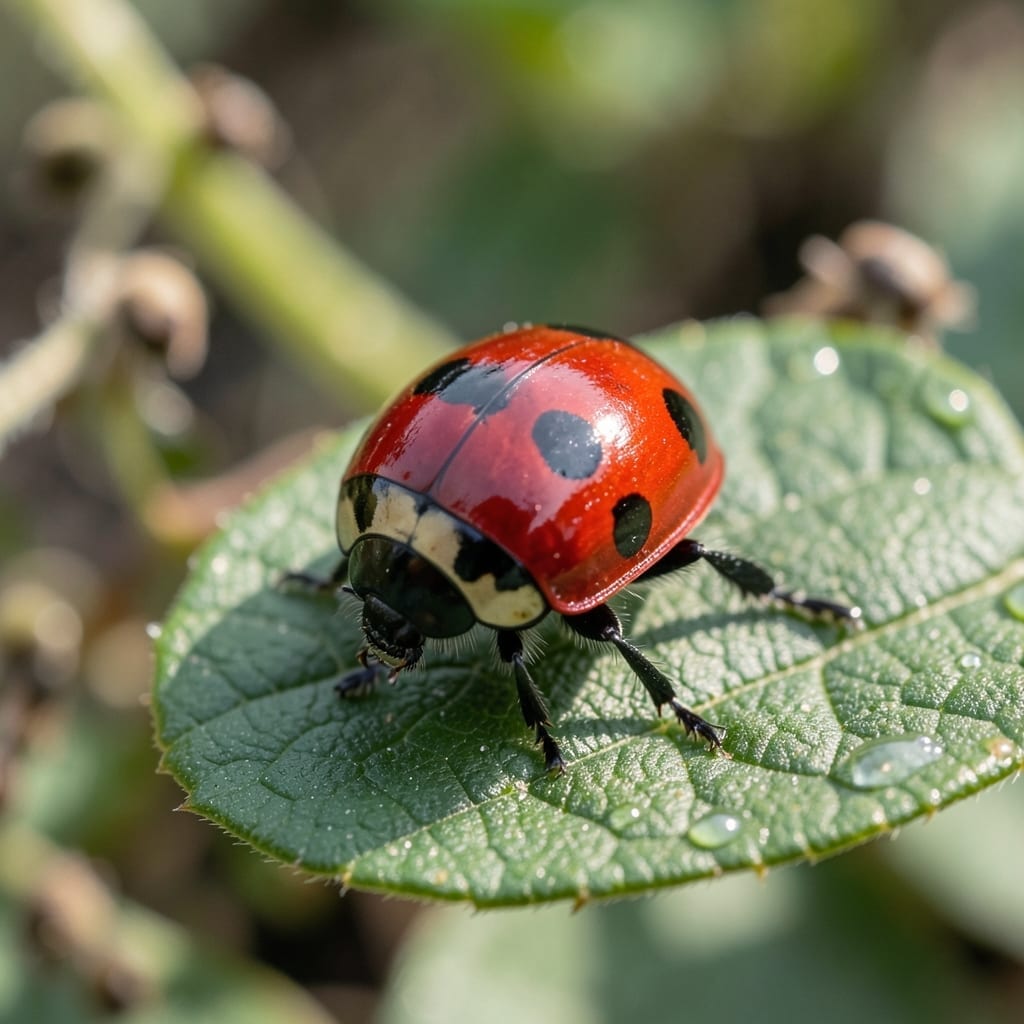
With its bright red elytra and seven distinct black spots, the seven-spotted lady beetle is one of the most recognizable garden allies. Originally from Europe, this beneficial insect has become a staple in North American gardens for its pest-control superpowers.
Each adult can consume up to 50 aphids per day, making it a powerhouse against soft-bodied pests like mealybugs and scale insects. Its larvae are equally voracious, eating even more pests than the adults. You’ll often spot them on leaves, stems, and flowers where aphids congregate.
Perfect for organic gardeners, this beetle thrives in diverse environments and helps maintain a healthy, chemical-free garden ecosystem. 🌿
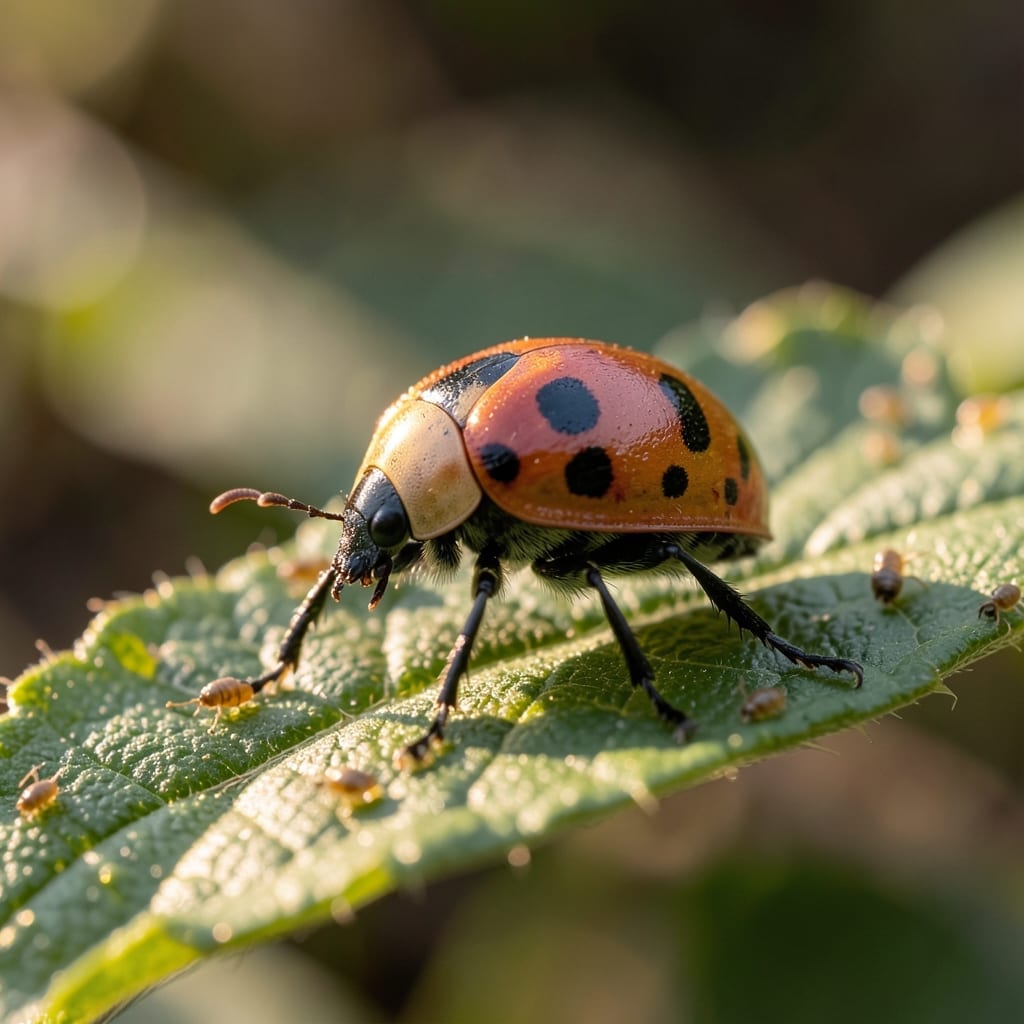
While the Asian lady beetle is a powerhouse against garden pests like aphids and scale insects, its reputation is mixed due to its invasive nature in many regions.
You can identify this species by its variable color patterns, ranging from pale orange to deep red, with or without black spots. Unlike native species, it may overwinter indoors in large numbers, which can be a nuisance. Despite this, its pest-control benefits are undeniable for organic gardeners.
Ideal for gardeners seeking natural solutions but willing to manage its invasive tendencies. 🌿
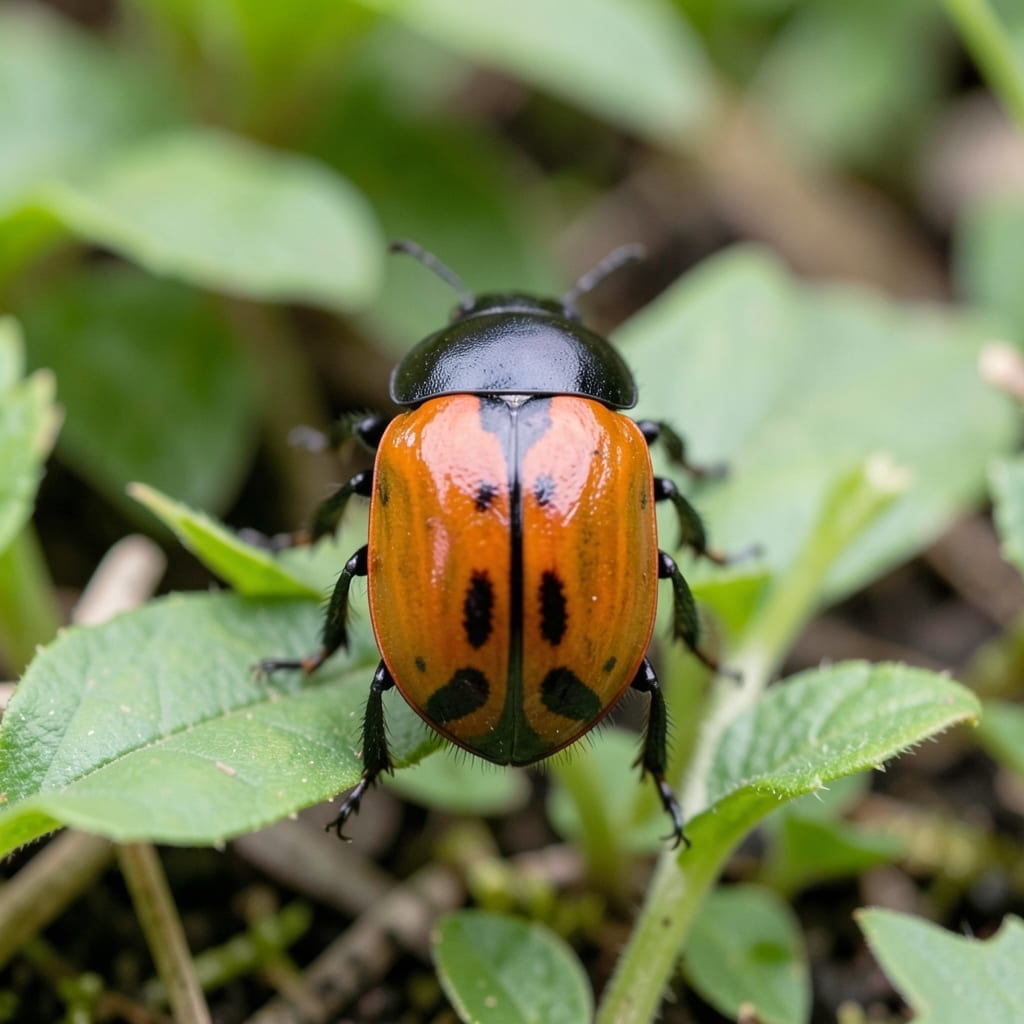
Meet the Convergent Lady Beetle, North America’s homegrown pest-fighting champion. Unlike invasive species, this native insect is a trusted ally for organic gardeners, offering reliable control without ecological disruption.
Easily recognized by its orange-red elytra with distinctive black stripes that converge near the center, it devours aphids, mites, and other soft-bodied pests at an impressive rate. One adult can consume up to 50 aphids per day, making it a powerhouse for both small gardens and large crops.
Perfect for gardeners seeking natural solutions, this beetle thrives in diverse environments and helps maintain ecological balance. Invite them in, and watch your pest problems shrink. 🌿
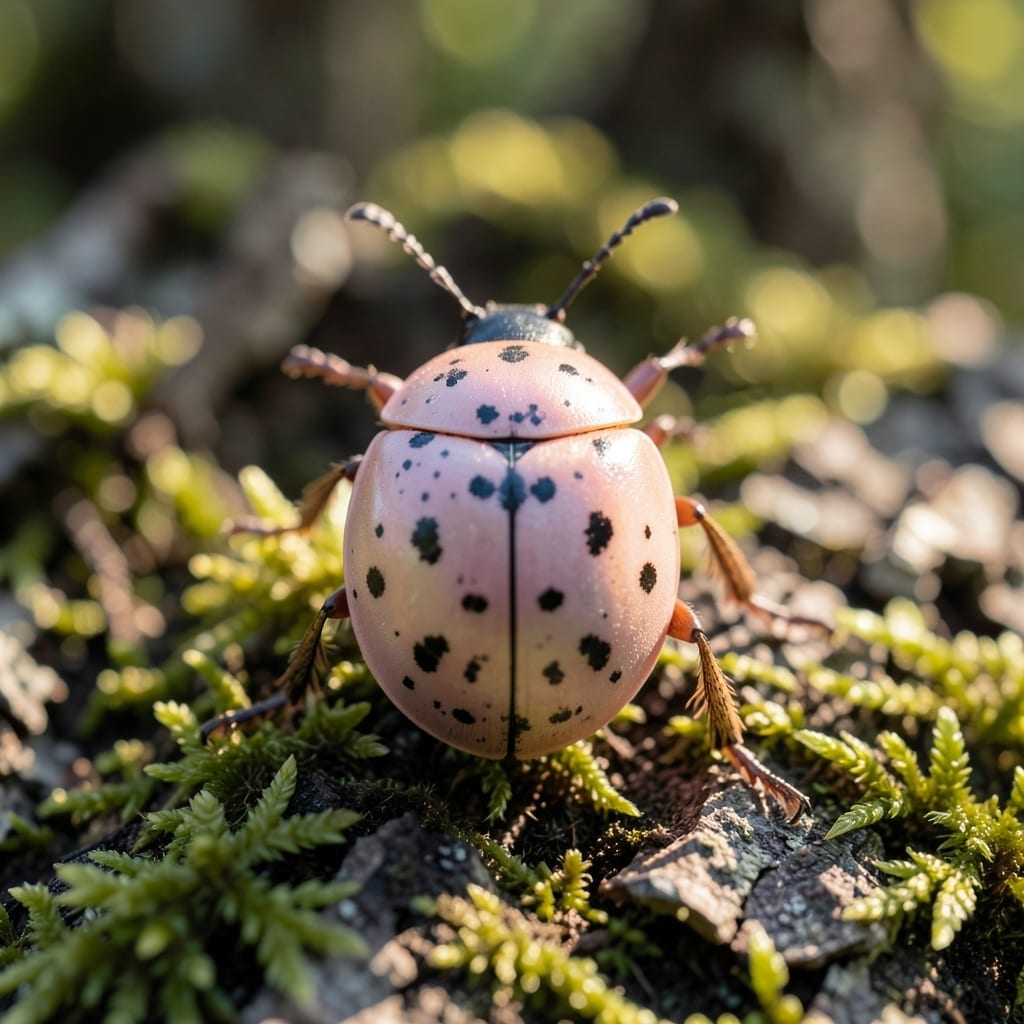
The Spotted Pink Lady Beetle is a gem for nature lovers, standing out with its rare soft pink shell dotted with delicate black spots. Unlike its more common red cousins, this beetle adds a whimsical touch to any garden or wooded area.
You’ll often find it in forested regions, where it thrives on a diet of aphids and other pests. Its unique coloration makes it a favorite among gardeners who appreciate both beauty and function in their outdoor spaces.
Perfect for those who enjoy spotting unusual insects, this beetle is a gentle reminder of nature’s diversity. Keep an eye out during warm months for this charming visitor. 🌿

Don’t overlook this tiny powerhouse in your garden— the two-spotted lady beetle packs a big punch despite its small size. Its bright red shell with just two black spots makes it easy to identify among other lady beetles.
This native species thrives in cooler climates and is a voracious predator of aphids, mites, and other soft-bodied pests. You’ll often find it active in early spring and late fall when temperatures are mild, helping control pests before they become a problem.
Perfect for gardeners in northern regions, this beetle provides natural pest control without the need for chemicals. 🌱
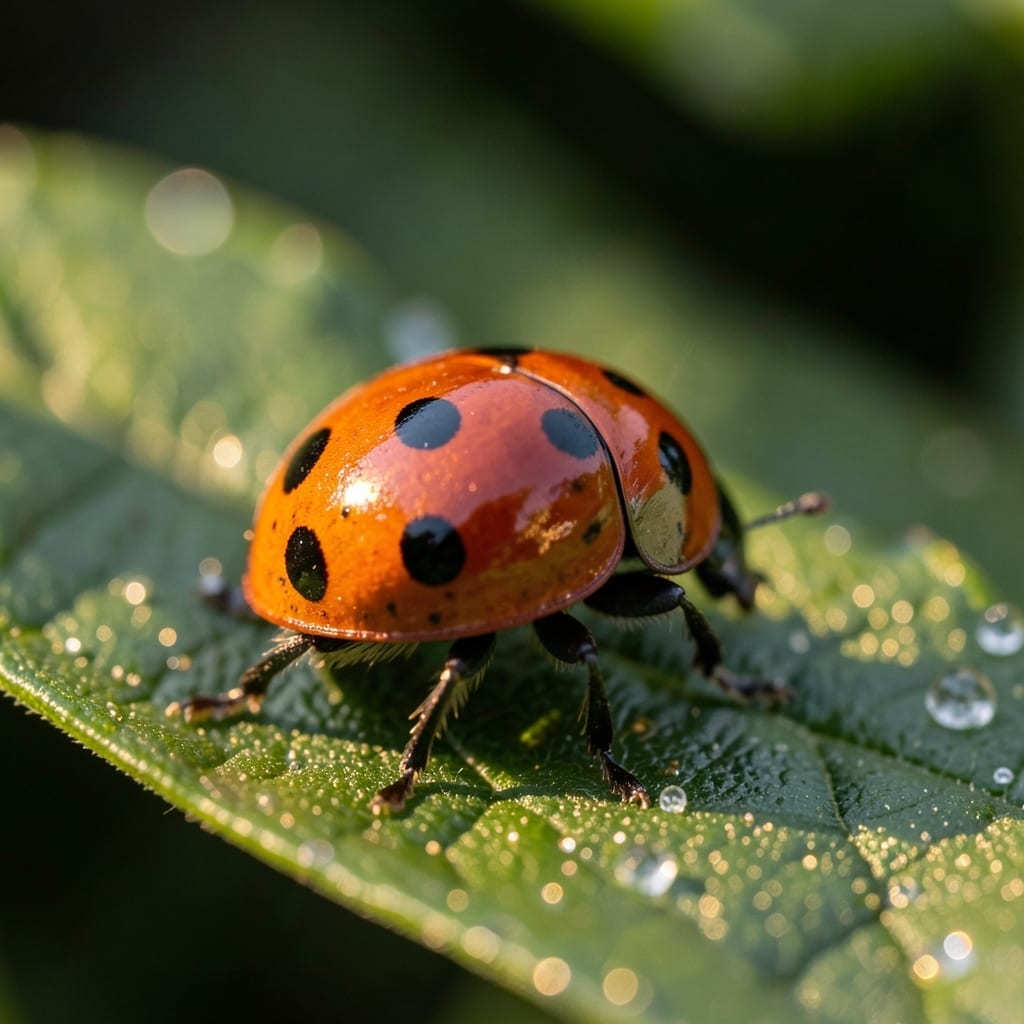
Spot the thirteen-spotted lady beetle in your garden, and you’ve found a hidden gem among pest controllers. Its distinctive reddish-orange shell adorned with thirteen black spots sets it apart from more common varieties.
This beetle is a voracious predator, targeting aphids, mites, and other soft-bodied pests with remarkable efficiency. It thrives in diverse garden environments and is particularly effective in organic pest management, reducing the need for chemical interventions.
Ideal for gardeners seeking natural solutions, this less common but highly beneficial beetle helps maintain a balanced ecosystem. Keep an eye out for its unique pattern among your plants. 🌿
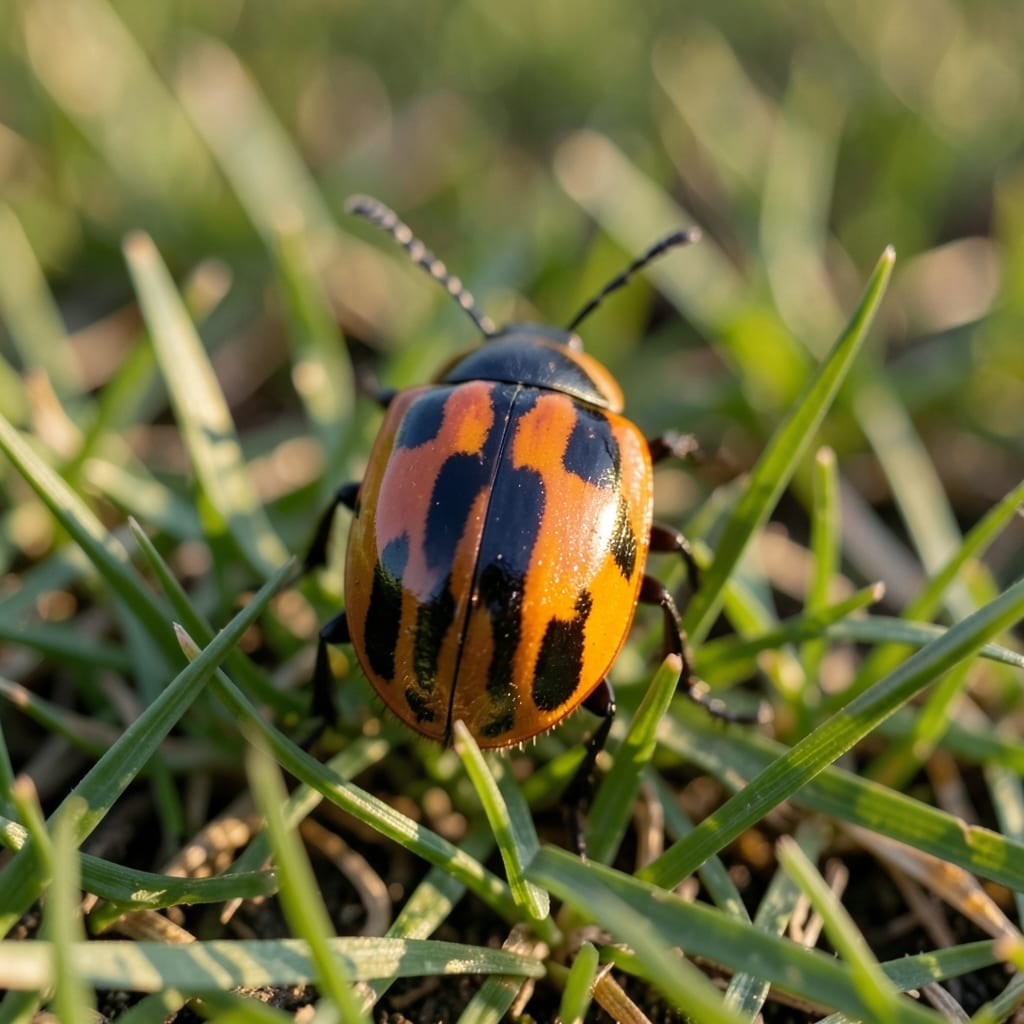
Spot the difference in your garden—the Striped Lady Beetle breaks the mold with its sleek, elongated body and bold orange and black stripes instead of the usual spots. This unique pattern makes it a standout among its polka-dotted cousins.
Unlike many lady beetles, this species thrives in grassy fields and open gardens, where it hunts aphids and other pests with remarkable efficiency. Its slender shape allows it to navigate tall grasses and densely planted beds with ease, reaching pests others might miss.
Ideal for gardeners who love observing nature’s diversity, this beetle adds both beauty and pest control to your outdoor space. 🌿
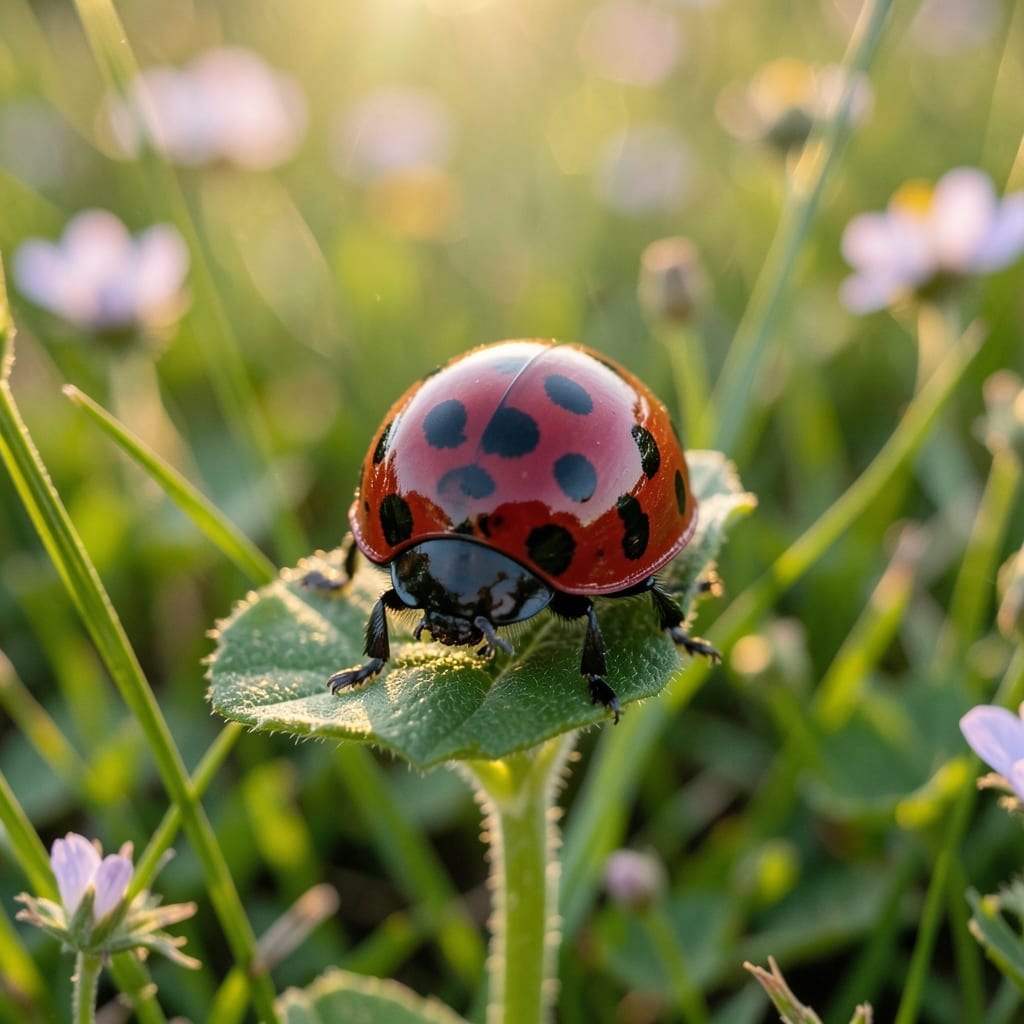
Spot the fifteen-spotted lady beetle in your meadow, and you’ve found a living sign of a thriving ecosystem. This larger species stands out with its bold red shell and symmetrical arrangement of fifteen black spots, making it a striking sight among wildflowers.
Unlike smaller varieties, this beetle prefers open, natural habitats where it preys on aphids, mites, and other pests. Its presence indicates a balanced, pesticide-free environment, as it’s sensitive to chemical disruptors. Gardeners who nurture native plants often attract these beneficial insects naturally.
Perfect for eco-conscious gardeners, this species helps maintain harmony in your outdoor space. 🌿
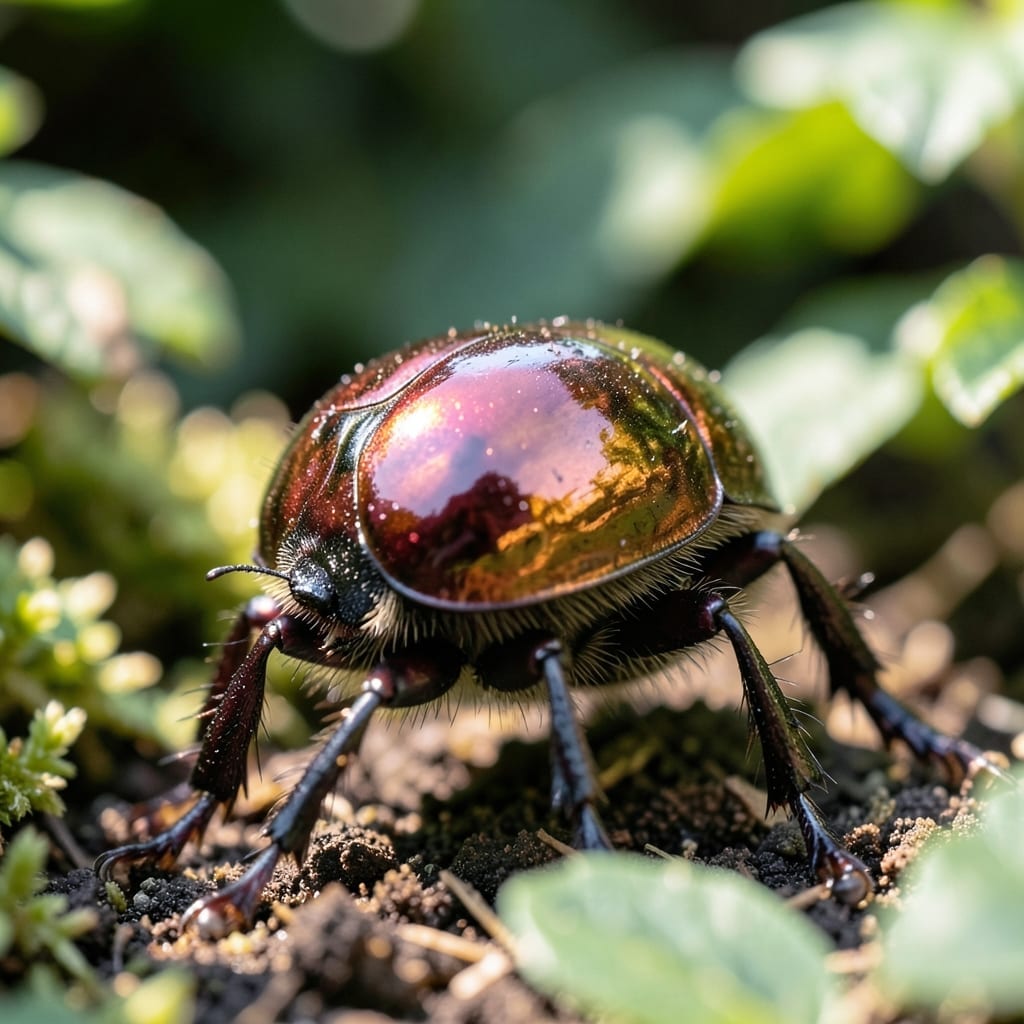
With its shiny, almost metallic shell, the polished lady beetle stands out as one of the most visually striking garden allies. This glossy appearance isn’t just for show—it reflects sunlight, making the beetle easier to spot as it patrols your plants.
Unlike specialized predators, this beetle is a generalist hunter, tackling a wide variety of pests from aphids to mites and even small caterpillars. Its diverse diet makes it especially valuable in mixed gardens where multiple pests might appear.
Gardeners with varied plantings will appreciate this beetle’s adaptability and efficiency in keeping pest populations in check. Spot its reflective shell glinting in the sun next time you’re in the garden. ✨
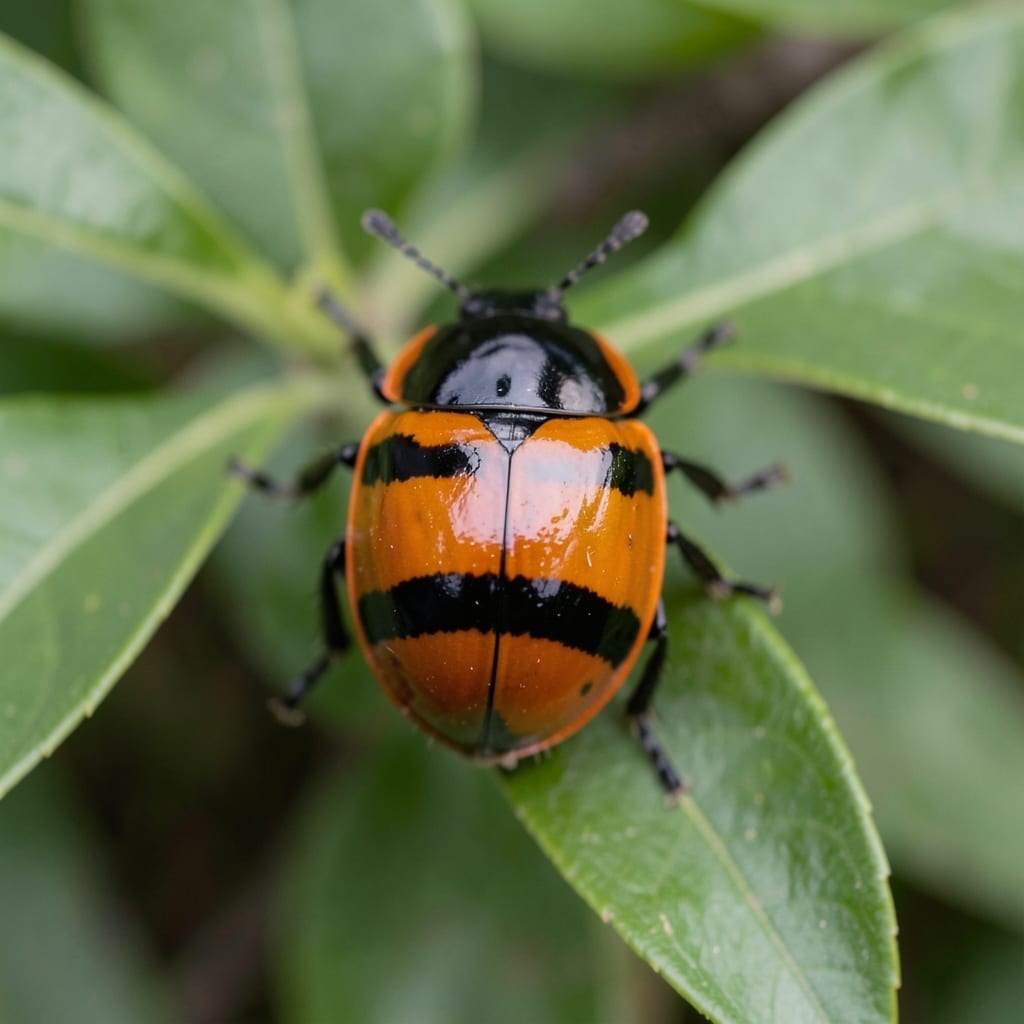
With its bold transverse black bands stretching across its orange elytra, the transverse lady beetle is unmistakable among its spotted cousins. This striking pattern makes it a standout in orchards and gardens, where it serves as a natural predator of scale insects and mites.
Unlike many lady beetles that target aphids, this species specializes in tackling tougher pests that plague fruit trees and woody plants. Its presence is a sign of a healthy, balanced ecosystem, especially in organic growing spaces where chemical controls aren’t used.
Orchard keepers and gardeners with scale insect problems will appreciate this beetle’s targeted pest control. 🌿