
Beautiful Plants For Your Interior
Beautiful Plants For Your Interior
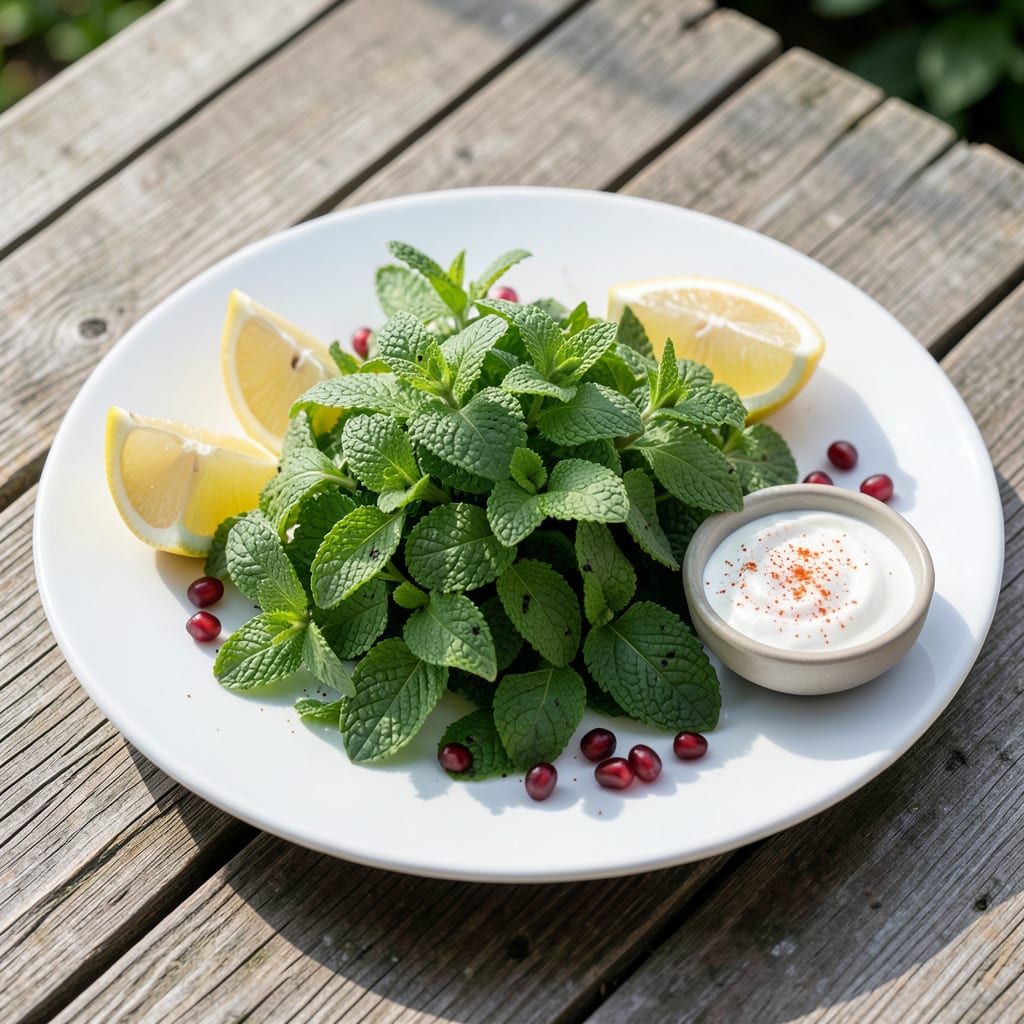
Black spots on your mint leaves don’t automatically mean it’s unsafe. I’ve dealt with this issue in my own garden, and the good news is that most causes are treatable and don’t ruin the plant.
The spots usually come from fungal infections, pests, or even environmental stress like too much water or poor air circulation. Identifying the exact cause helps you decide if the leaves are still good to use.
In most cases, if the spots are small and isolated, the rest of the plant remains safe to eat. But if the damage is widespread or the leaves look slimy, it’s best to remove them.
Prevention is simple: improve airflow, avoid overhead watering, and keep the soil well-drained. This keeps your mint healthy and spot-free for future harvests.
Black spots on mint leaves are usually a sign of underlying issues, often tied to environmental stress, pests, or diseases. Here’s a breakdown of the most common causes:
Mint is highly susceptible to fungal diseases like Alternaria or Cercospora leaf spot. These thrive in humid, wet conditions and appear as dark, irregular spots. Overhead watering or poor air circulation can accelerate their spread. Fungi produce spores that infect leaves, leading to necrosis (tissue death), which manifests as black patches.
Sap-sucking pests like aphids, spider mites, or thrips can weaken mint plants, making them vulnerable to secondary infections. Their feeding creates tiny wounds where sooty mold (a black fungus) can grow, often leaving dark residue. Check the undersides of leaves for clusters of pests or sticky honeydew.
Overwatering or poor-draining soil leads to root rot, which can cause leaf discoloration, including black spots. Conversely, underwatering stresses the plant, making it more prone to disease. Mint prefers consistently moist (but not soggy) soil—aim for the top inch to dry out between waterings.
Exposure to frost, intense heat, or sudden temperature swings can cause cellular damage in mint leaves, resulting in blackened areas. If growing outdoors, protect mint from late frosts or scorching midday sun, especially in containers.
A lack of calcium or magnesium can lead to leaf tip burn or spotting. Yellowing with black edges often signals a potassium deficiency. Test your soil and amend with compost or a balanced fertilizer if nutrient imbalances are suspected.
If you’ve spotted unsightly black spots on your mint leaves, don’t toss the plant just yet! Here’s how to tackle the most common causes and restore your mint to its fresh, vibrant best.
Fungal issues like Alternaria or leaf spot thrive in damp, crowded conditions. Fix it: Remove infected leaves immediately to prevent spread. Thin out dense foliage to boost airflow, and water at the base (not overhead) to keep leaves dry. Apply a copper-based fungicide or a DIY mix of 1 tsp baking soda + 1 quart water + a few drops of dish soap, spraying every 7–10 days until spots disappear.
Prevent it: Space plants 12–18 inches apart, and water in the morning so leaves dry quickly. 💡 Pro tip: A small fan can improve circulation for potted mint!
Pests like aphids, spider mites, or flea beetles leave dark spots from feeding. Fix it: Blast pests off with a strong stream of water, then wipe leaves with neem oil or insecticidal soap. For stubborn infestations, introduce beneficial insects like ladybugs.
Prevent it: Inspect plants weekly, especially the undersides of leaves. Companion plant with marigolds or basil to deter pests naturally. ✨
Yellowing leaves with black spots may signal a lack of magnesium or potassium. Fix it: Work compost or balanced fertilizer (10-10-10) into the soil. For quick results, use a foliar spray of Epsom salt (1 tbsp per gallon of water) for magnesium.
Prevent it: Test soil annually and amend with organic matter. Mint thrives in slightly acidic to neutral soil (pH 6.0–7.0).
Overwatering, poor drainage, or extreme heat can stress mint, leading to dark spots. Fix it: Let the top inch of soil dry between waterings. Repot if roots are waterlogged, using fresh, well-draining soil. Move potted mint to a shadier spot if leaves show sunburn (brown/black patches).
Prevent it: Use containers with drainage holes, and mulch to retain moisture without soggy roots. 🌡️ Hot climate? Mist leaves in the early morning to cool the plant.
Yes, if the spots are small and isolated, the rest of the plant is generally safe. Remove affected leaves to prevent spread.
Discard those leaves immediately. Slimy or large black patches often indicate advanced fungal or bacterial infection, which can be harmful.
Only if the spots are minor and the leaves smell fresh. Wash thoroughly and avoid using heavily damaged portions.
Improve airflow, water at the base, and avoid overwatering. Regularly inspect leaves for early signs of trouble.
