
Beautiful Plants For Your Interior
Beautiful Plants For Your Interior
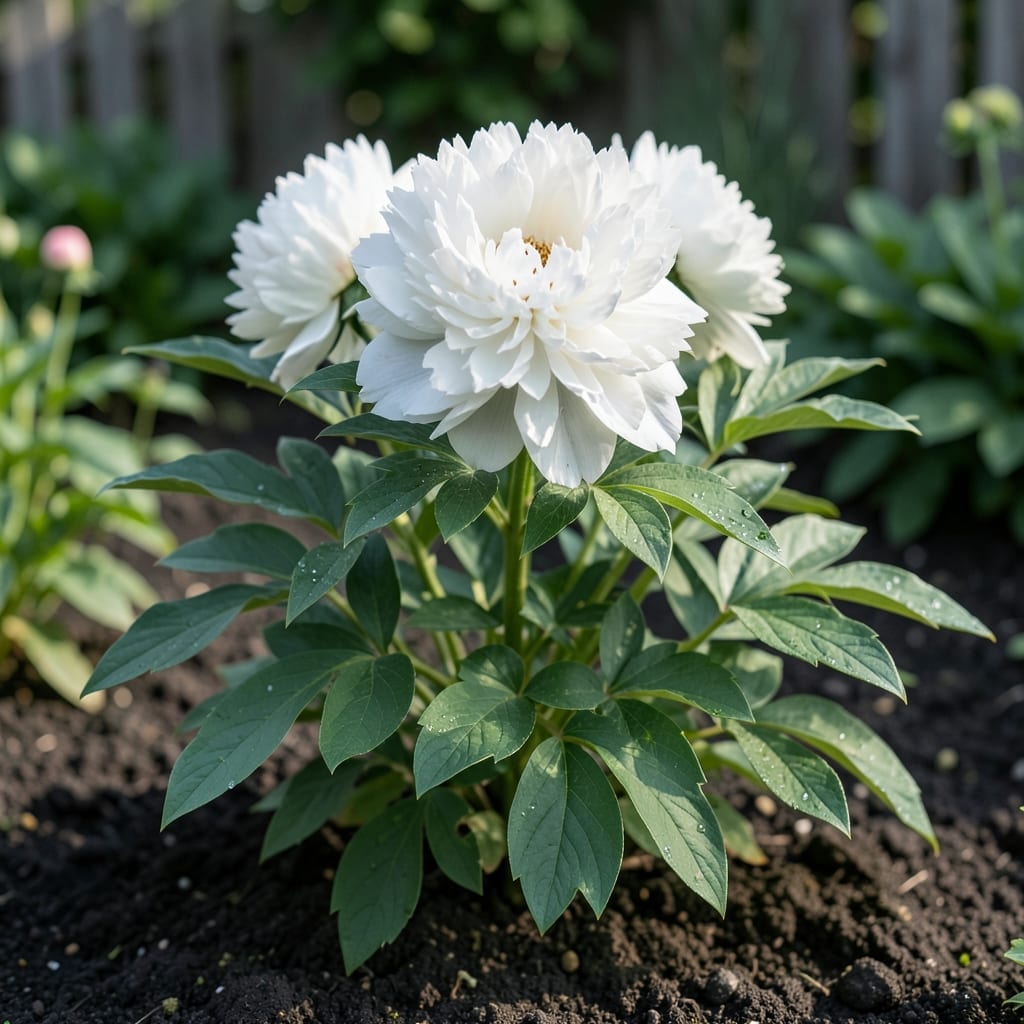
These elegant blooms transformed my garden from ordinary to extraordinary. 🌸 I discovered that krinkled white peonies thrive with just a little extra attention to their unique needs.
With the right soil, sunlight, and a bit of patience, you’ll be rewarded with luxurious, long-lasting flowers that become the centerpiece of your outdoor space. They’re more resilient than they look.
📚 In This Guide
Here’s the method I rely on to cultivate these stunning, fragrant blooms with minimal fuss.
Select a spot with full sun to light shade—krinkled white peonies thrive with at least 6 hours of direct sunlight daily. I’ve found they tolerate partial afternoon shade, especially in hotter climates, but too much darkness leads to weak stems and fewer blooms.
Ensure the soil is well-draining and rich in organic matter. Peonies detest soggy roots, so avoid low-lying areas where water pools. A slight slope or raised bed works wonders. Test drainage by digging a 12-inch hole and filling it with water—if it drains within 1 hour, you’re good to go.
Dig a hole 12-18 inches wide and 12 inches deep. This gives roots room to stretch and establish quickly. If you’re planting a container-grown peony, loosen the root ball gently before setting it in the hole.
Place the plant so the eyes (buds) are no more than 2 inches below the soil surface—this is critical. Planting too deep is the #1 reason peonies fail to bloom. Backfill with native soil mixed with compost, then water deeply to eliminate air pockets. Real talk: if you skip this step, you’ll regret it for years.
Water thoroughly after planting, then keep the soil evenly moist but not waterlogged during the first growing season. I check soil moisture by sticking my finger 1 inch deep—if it feels dry, it’s time to water. Peonies are drought-tolerant once established, but consistent moisture early on ensures strong root development.
A 2-3 inch layer of mulch helps retain moisture and regulate soil temperature. Just don’t let it touch the stem directly—that can invite rot. You’ll see new growth emerge in early spring, which is your cue that the plant is settling in well.
Fertilize lightly in early spring with a balanced, low-nitrogen fertilizer (like 5-10-10). Too much nitrogen promotes leafy growth at the expense of flowers. I apply it around the base, then water it in to avoid burning the roots.
Deadhead spent blooms promptly to encourage more flowers and prevent seed formation, which can sap the plant’s energy. In late fall, cut back the foliage to the ground after it yellows. This removes potential disease harbors and tidies the garden for winter. Don’t skip this—it’s the difference between a thriving plant and a struggling one.
Here’s the thing—krinkled white peonies often take 2-3 years to produce their first flowers. It’s frustrating, I know, but the wait is worth it. In the first year, focus on establishing a strong root system rather than expecting blooms.
Once they do flower, you’ll be rewarded with luxurious, fragrant blossoms that last 7-10 days per stem. Stake heavy blooms if needed to prevent stems from toppling under their weight. After a few seasons, your peonies will thrive with minimal care, returning year after year with even more spectacular displays.
Took me years to refine these details—here’s what actually works.
The Light Factor: That 6 hours of direct sunlight daily is non-negotiable for strong stems and abundant blooms. If your garden gets intense afternoon sun, a spot with morning sun and afternoon shade prevents petal scorch while still meeting the light requirement.
Planting Depth Critical: Those eyes (buds) must stay no more than 2 inches below the soil surface—I learned this the hard way after losing two plants to deep planting. Use a ruler if you’re unsure; it’s that important.
Drainage Test: When testing soil drainage with that 12-inch hole, if water doesn’t drain within 1 hour, amend with compost or consider a raised bed. Peonies will rot in soggy soil faster than you’d expect.
Mulching Wisdom: That 2-3 inch layer of mulch makes all the difference in moisture retention, but keep it an inch away from the stem. I’ve seen too many plants suffer from stem rot because of this simple oversight.
Keep foliage dry by watering at the base, space plants for airflow, and remove infected leaves promptly. Fungicidal sprays can help, but prevention is key!
Treat at the first sign of symptoms (curled or distorted leaves). Early intervention in spring or fall works best to stop the spread before it worsens.
Yes! Look for disease-resistant varieties like ‘Sarah Bernhardt’ or ‘Duchesse de Nemours’. These are less prone to fungal infections causing krinkling.
If the plant is heavily infected, prune affected stems and dispose of them (don’t compost!). Severe cases may require removal to protect nearby plants.
Krinkling is often fungal, causing leaf distortion, while peony blight (botrytis) causes dark spots and wilting. Both thrive in wet conditions, so improve drainage to prevent both!