
Beautiful Plants For Your Interior
Beautiful Plants For Your Interior
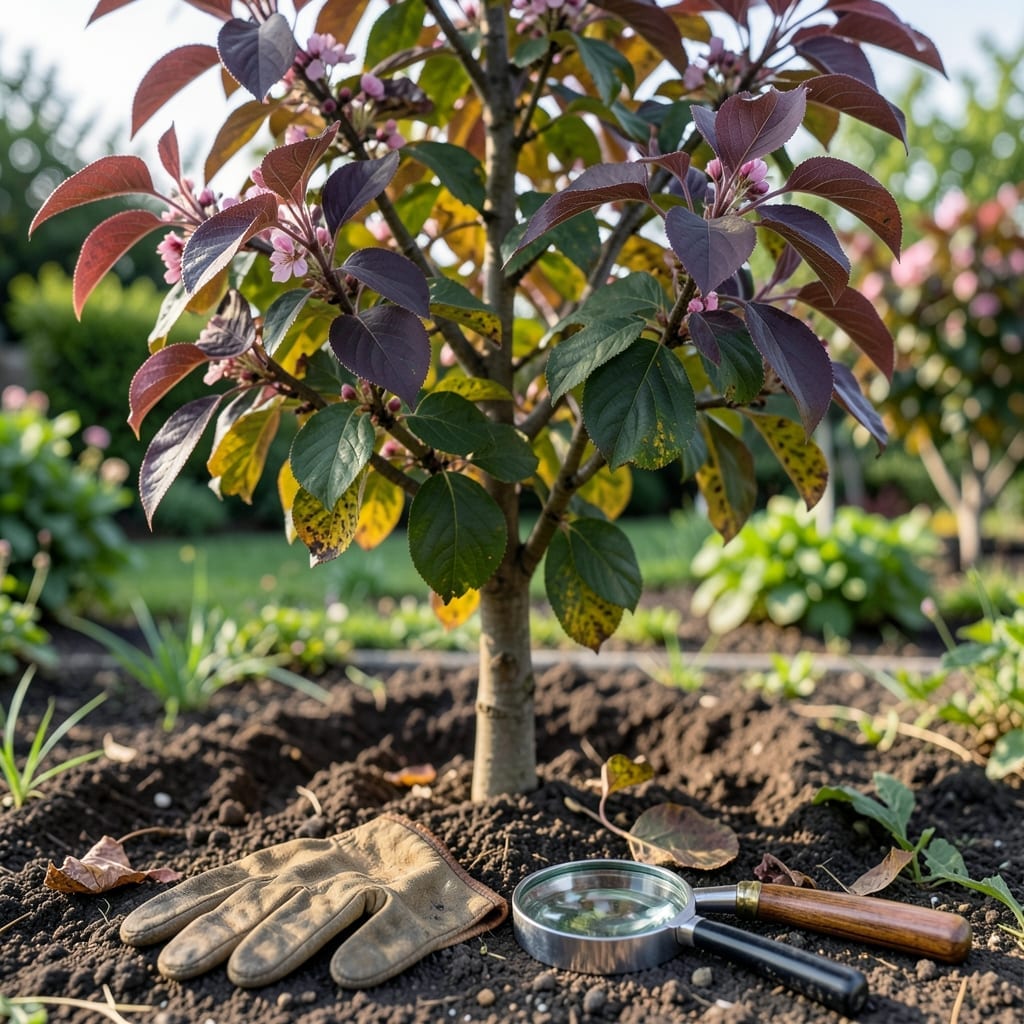
Your Krauter Vesuvius plum tree isn’t just pretty—it’s a living investment. I’ve watched mine go from healthy to struggling in a single season, and the fix always starts with knowing what to look for.
Most issues show up as leaf spots, curled foliage, or stunted growth. The causes range from fungal diseases to pest infestations, but the good news is they’re all treatable if you catch them early.
With the right approach, you can turn things around in 2-3 weeks. Prevention is simpler than cure, and I’ll show you how to spot trouble before it spreads.
Works for young trees, mature specimens, and everything in between. Let’s keep yours thriving.
Understanding why your Krauter Vesuvius plum tree is struggling is the first step to fixing it. Below are the most common causes, backed by science and practical observations.
Extreme temperatures, drought, or poor drainage can weaken the tree, making it susceptible to diseases and pests. This cultivar thrives in USDA zones 5-8, so temperatures outside this range may cause leaf scorch, fruit drop, or stunted growth. Additionally, waterlogged soil suffocates roots, reducing nutrient uptake.
Brown rot (Monilinia spp.) and leaf spot (Cercospora or Xanthomonas) are common in plum trees. Brown rot thrives in high humidity and causes mummified fruit, while bacterial leaf spot leads to blackened, tattered foliage. These pathogens spread via splashing water or contaminated pruning tools.
Aphids, plum curculio, and scale insects target Krauter Vesuvius plums. Aphids excrete honeydew, promoting sooty mold growth, while plum curculio larvae burrow into fruit, causing premature drops. Scale insects weaken the tree by sapping phloem, leading to yellowing leaves and dieback.
A lack of nitrogen (pale leaves), potassium (leaf edge burn), or magnesium (interveinal chlorosis) can stunt growth. Sandy or heavily clay soils often fail to retain essential nutrients. Over-fertilization, particularly with high-nitrogen blends, may also trigger excessive leafy growth at the expense of fruit production.
Pruning at the wrong time (e.g., late winter) can expose cuts to silver leaf disease. Planting too deep or in compacted soil restricts root development, while poor spacing limits airflow, increasing fungal risks. Always prune during dry, dormant periods and plant at the same depth as the nursery container.
Whether your Krauter Vesuvius plum tree is struggling with pests, diseases, or environmental stress, targeted solutions can restore its health. Below are practical fixes for the most common problems, along with prevention tips to keep your tree thriving.
For aphids, scale, or mites, start with a strong blast of water to dislodge them. Follow up with neem oil or insecticidal soap, applying in the early morning or late evening to avoid harming beneficial insects. For severe cases, use horticultural oil or a systemic insecticide labeled for fruit trees. Prevention tip: 💡 Encourage ladybugs and lacewings—natural predators—by planting companion flowers like marigolds or yarrow.
If you spot brown rot, leaf spot, or powdery mildew, remove and destroy infected branches or fruit immediately to prevent spread. Apply a copper-based fungicide or baking soda spray (1 tbsp baking soda + 1 tsp dish soap + 1 gallon of water) every 7–10 days during wet seasons. Prevention tip: ✨ Prune the tree to improve airflow, and avoid overhead watering to keep foliage dry.
Yellowing leaves or stunted growth often signal overwatering, underwatering, or nutrient deficiencies. Check soil moisture—it should be damp but not soggy. Water deeply once a week, adjusting for rainfall. If the soil is poor, amend with compost or use a balanced fertilizer (10-10-10) in early spring. Prevention tip: 🎯 Mulch around the base (keeping it 3 inches from the trunk) to retain moisture and regulate soil temperature.
Broken branches or bark wounds invite pests and disease. Prune damaged limbs with clean, sharp shears, making cuts at a 45-degree angle just above a bud. Seal larger wounds with tree pruning sealant. Prevention tip: 🌡️ Protect the trunk from lawnmower or trimmer damage by installing a tree guard.
Yellow leaves often signal nutrient deficiencies or overwatering. Check soil moisture and test for nitrogen or iron shortages. Amending with compost or adjusting watering can restore color.
Brown spots usually indicate brown rot. Remove affected fruit immediately and apply a copper fungicide. Improve airflow by pruning to prevent future outbreaks.
Yes, if left untreated. Aphids weaken the tree and spread sooty mold. Use neem oil or insecticidal soap weekly until gone. Encourage ladybugs for natural control.
Early fruit drop often results from plum curculio or environmental stress. Inspect fruit for entry holes and use horticultural oil as a preventative.