
Beautiful Plants For Your Interior
Beautiful Plants For Your Interior
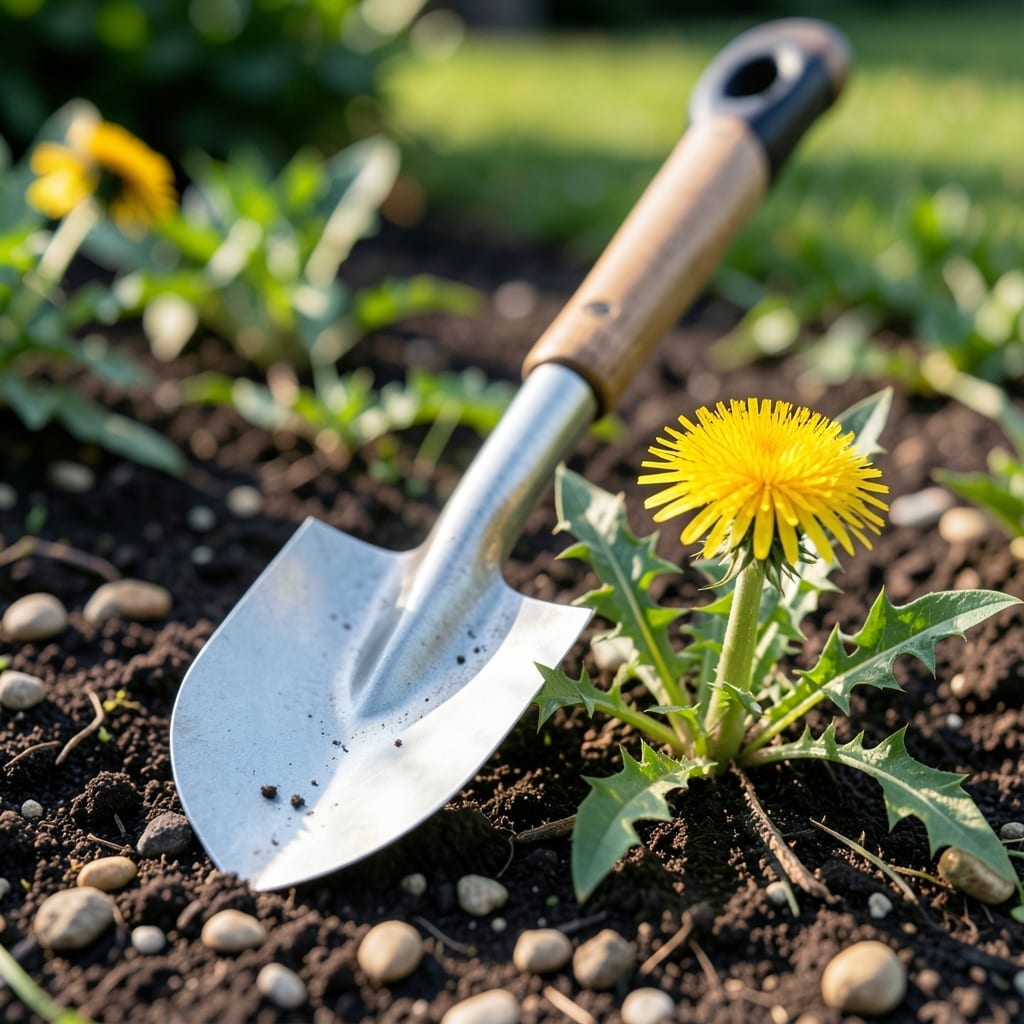
Tough roots ruining your garden beds? This tool changed how I handle stubborn underground growth without backbreaking work.
It slices through invasive roots with minimal effort, keeping your plants healthy and your soil workable. I use it for clearing space for new plantings and maintaining clean garden edges.
📚 In This Guide
Here’s my proven approach to using this fungicide effectively for healthier plants.
Begin by examining your plants for signs of fungal disease, such as wilting, yellowing leaves, or stunted growth. I always start with the most vulnerable specimens—those showing early signs of root rot or powdery mildew respond best to intervention.
Focus on plants in high-moisture areas or with dense foliage, as these conditions foster fungal growth. You’ll want to treat the entire root zone, not just visible symptoms. This ensures the fungicide reaches where it’s needed most before the disease spreads extensively.
Gather a clean sprayer or watering can dedicated solely to fungicide use—cross-contamination with other solutions can compromise effectiveness. I use a 1-gallon pump sprayer for even distribution and better coverage of the root area.
Fill the sprayer with water first, then add the fungicide according to the product’s label instructions. Shake the mixture thoroughly to ensure complete dissolution. This step prevents clumping and guarantees uniform application across all treated areas.
Water your plants deeply before application so the fungicide can penetrate the soil effectively. Apply the solution directly to the base of each plant, saturating the soil around the roots. I aim for 1-2 inches of moisture penetration for optimal results.
For established plants, focus on the drip line—the area directly beneath the outer canopy where roots extend. Avoid foliar application unless the label specifically recommends it, as some fungicides can damage leaves when applied directly.
Check treated plants after 48-72 hours for signs of improvement, such as reduced wilting or new growth. You’ll often see the most dramatic recovery in plants caught early in the disease cycle.
Reapply the fungicide every 2-4 weeks during the growing season, or after heavy rainfall, which can wash away the protective barrier. I’ve found that consistent prevention works better than trying to rescue severely infected plants.
After treatment, improve air circulation around plants by thinning dense growth and removing debris. This reduces the humid conditions fungi love. I always space plants according to their mature size to prevent future issues.
Consider adding a 1-inch layer of mulch to prevent soil splash, which can spread fungal spores. The combination of fungicide application and these cultural practices creates the most robust defense against disease recurrence.
These practical insights will help you maximize the effectiveness of your fungicide application.
Application Precision: In Step 3, when applying the solution, remember that the 1-2 inches of moisture penetration is crucial for reaching the root zone where fungal issues typically originate. Shallow application may not provide adequate protection against deep-rooted diseases like root rot.
Equipment Dedication: As mentioned in Step 2, using a dedicated sprayer is non-negotiable. I learned this the hard way after cross-contaminating my general garden sprayer with fungicide residue, which damaged subsequent plant treatments. A 1-gallon pump sprayer remains my top recommendation for consistent results.
Monitoring Window: The 48-72 hours monitoring period in Step 4 isn’t arbitrary. This timeframe allows you to catch early signs of recovery or identify if additional treatment is needed before the disease progresses too far.
Preventative Synergy: Step 5’s suggestion of adding a 1-inch layer of mulch works best when combined with the fungicide application. The mulch not only prevents soil splash but also helps maintain the moisture levels needed for the fungicide to work effectively in the root zone.
Apply every 7–14 days as a preventative, or every 5–7 days when actively treating fungal infections. Always follow label instructions for timing based on your specific crop or disease.
Yes, it’s safe for most ornamental plants, vegetables, and fruits. However, always check the label for compatibility, especially with sensitive varieties like ferns or young seedlings.
Alternatives like copper fungicides or biofungicides (e.g., Bacillus subtilis) can work. For organic options, neem oil or sulfur-based sprays are effective but may require more frequent applications.
Common issues include incorrect dilution, uneven coverage, or applying too late. Ensure proper mixing, full plant coverage (including undersides of leaves), and early intervention at first signs of disease.