
Beautiful Plants For Your Interior
Beautiful Plants For Your Interior
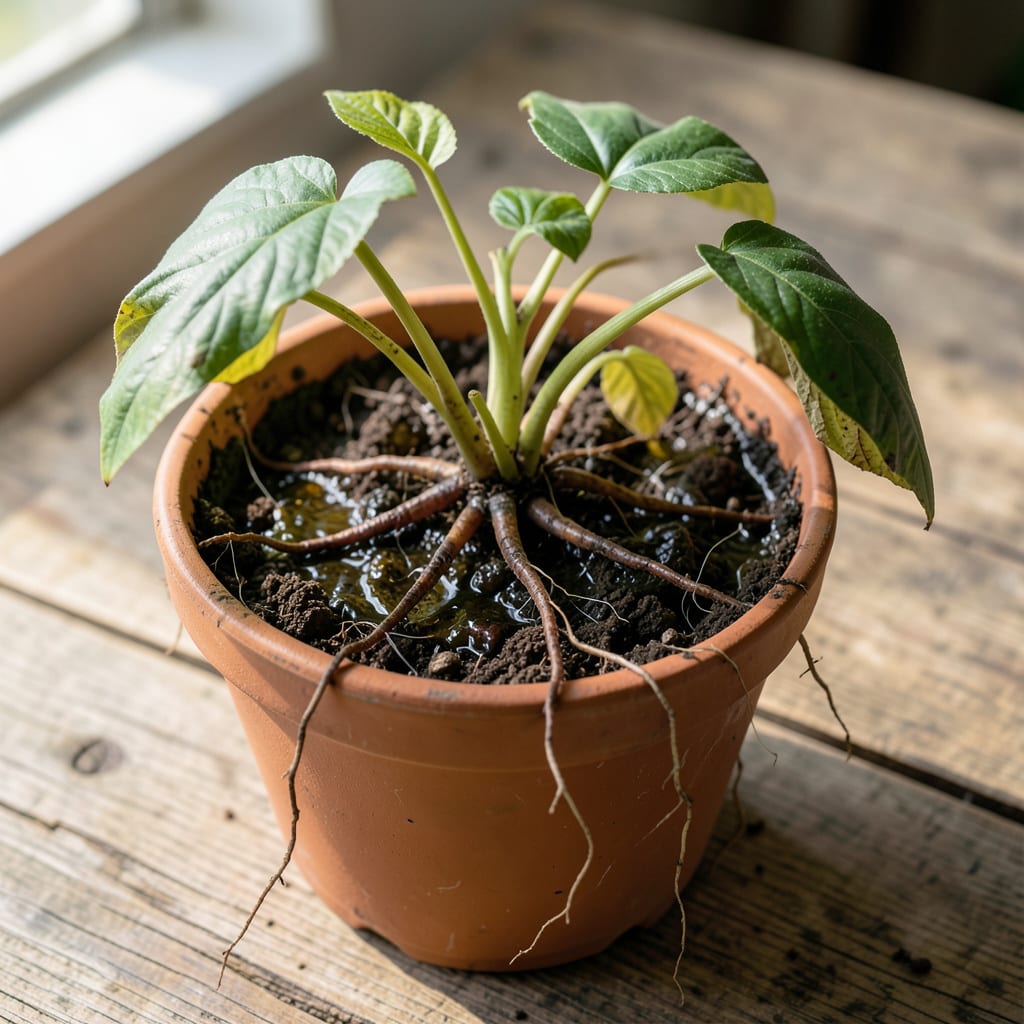
I noticed something off with my snake plant last week. The leaves turned yellow overnight, and the soil smelled like a swamp. Classic root rot red flags.
This silent killer starts below the surface. Wilting that doesn’t improve with water, mushy stems, and roots that fall apart when touched are the giveaways. I’ve lost count of how many plants I’ve saved by catching it early.
Most cases come from overwatering or poor drainage. The fix involves trimming affected roots, repotting in fresh soil, and adjusting your watering habits. It’s simpler than it sounds.
Prevention is even easier: use pots with drainage holes and let soil dry between waterings. Your plants will thank you with vibrant growth and no more mystery wilts.
Root rot in plants is typically triggered by a combination of environmental and biological factors. Understanding these causes can help you prevent and manage the issue effectively.
Excess water in the soil deprives roots of oxygen, creating an anaerobic environment where harmful fungi like Phytophthora and Pythium thrive. Poor drainage exacerbates the problem by trapping water around the roots, accelerating decay.
Dense, clay-heavy soils retain moisture and limit airflow, suffocating roots. This encourages fungal growth and prevents the roots from absorbing nutrients efficiently, leading to rot.
Pathogens such as Fusarium, Rhizoctonia, and Armillarya attack weakened roots, especially in waterlogged conditions. These microbes decompose root tissues, causing discoloration, softening, and eventually plant death.
Reusing contaminated soil, tools, or pots spreads fungal spores and bacteria. Infected plant debris left in the soil can also reintroduce pathogens, making it easier for root rot to take hold.
Root rot can be devastating, but catching it early means you can often save your plant. Here’s how to tackle the most common causes and restore your plant’s health.
If soggy soil is the culprit, let the plant dry out. Remove it from its pot, gently shake off excess soil, and trim any black, mushy roots with sterilized scissors. Repot in fresh, well-draining soil and a container with drainage holes. Water only when the top 1-2 inches of soil are dry. Prevention tip: 💡 Use a moisture meter to avoid guessing.
Plants in pots without drainage or heavy soil mixes suffocate. Switch to a container with drainage holes and a lightweight, aerated potting mix (add perlite or sand for better airflow). Elevate pots on saucers to prevent waterlogging. Prevention tip: ✨ Always choose pots with drainage—no exceptions!
For fungal root rot, drench the soil with a copper-based fungicide or a natural solution like hydrogen peroxide (1 tsp per cup of water). For bacterial issues, remove infected roots and repot in sterile soil. Isolate the plant to prevent spreading. Prevention tip: 🎯 Sterilize tools and pots between uses to avoid contamination.
Roots need room to breathe. Gently loosen the soil around the roots with a fork or chopstick. Add organic matter like compost to improve soil structure. Prevention tip: 🌡️ Avoid over-fertilizing, which can compact soil over time.
Act fast, and your plant can bounce back stronger than ever!
Look for yellowing leaves, wilting that doesn’t improve with watering, and a foul odor from the soil. Gently check the roots—if they’re dark, mushy, or fall apart easily, root rot is likely the culprit.
Yes, if caught early! Trim the affected roots, repot in fresh, well-draining soil, and adjust your watering habits. Most plants bounce back within a few weeks with proper care.
Plants in poorly draining pots or heavy soil are more susceptible. Overwatering and compacted roots also speed up the process. Succulents and cacti are especially prone due to their low water needs.
No, the soil may still harbor fungal or bacterial pathogens. Always discard old soil and sterilize pots before reuse. This prevents reinfection and keeps other plants safe.
