
Beautiful Plants For Your Interior
Beautiful Plants For Your Interior
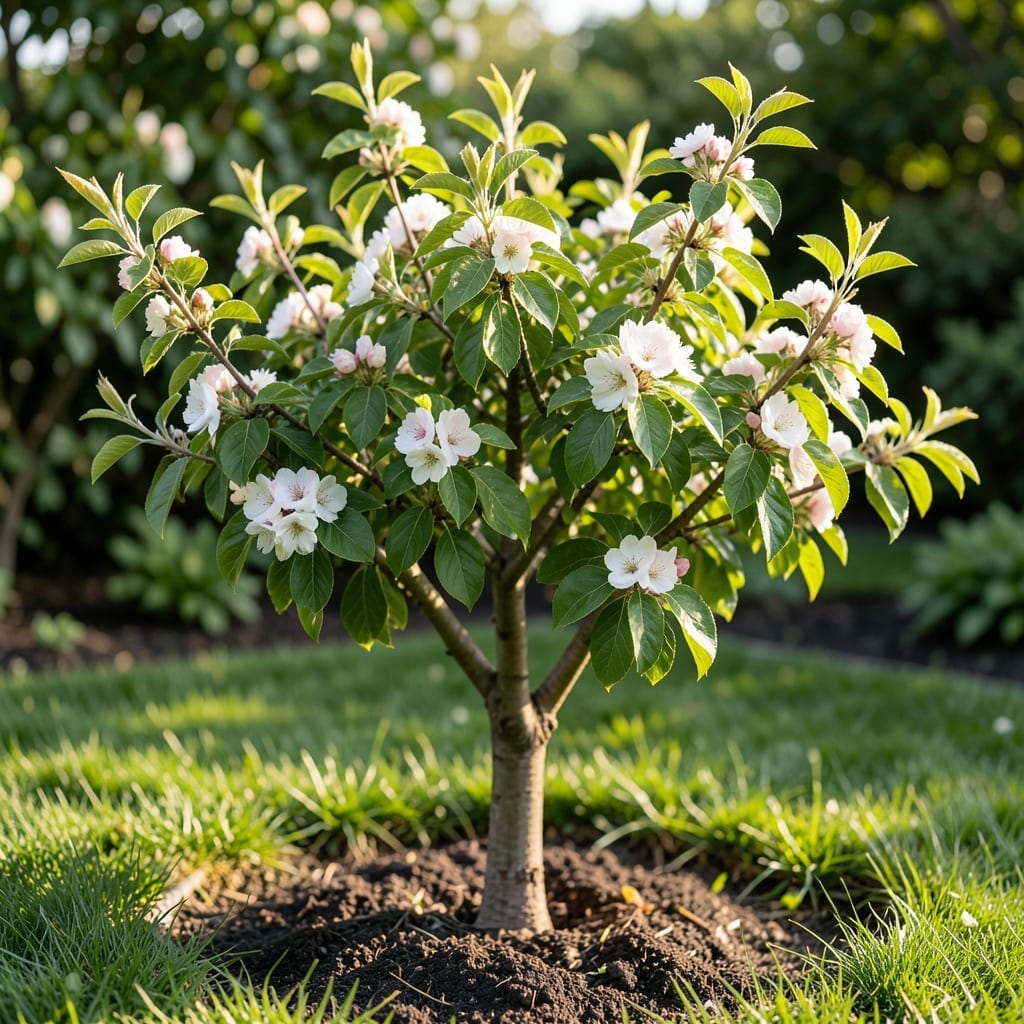
There’s nothing like biting into a juicy peach you grew yourself. I planted my first Klondike White tree five years ago, and it’s been the sweetest addition to my backyard.
This variety thrives with well-drained soil, full sun, and consistent watering—especially during fruit development. Prune in late winter to shape the tree and encourage air flow for the best harvest.
📚 In This Guide
This method ensures strong trees and the juiciest fruit you’ve ever tasted from your own garden.
Choose a location with full sun (at least 6-8 hours daily) and well-draining soil. Klondike white peaches thrive in loamy, slightly acidic soil with a pH of 6.0-6.5. Test the soil first—amend with compost or sulfur if needed to hit the right range.
Avoid low-lying areas where cold air settles, as late frosts can damage blossoms. Dig a hole twice as wide and just as deep as the root ball. Loosen the soil at the sides of the hole to encourage outward root growth. This prevents the tree from becoming root-bound in its early years.
Place the bare-root or container-grown tree in the hole, ensuring the graft union (the visible bump near the base) sits 2-3 inches above the soil line. This prevents rootstock from sprouting suckers that can overtake the desired variety.
Backfill with native soil, gently firming it around the roots to eliminate air pockets. Water deeply with 5-10 gallons to settle the soil and hydrate the roots. A shallow basin around the base helps direct water to the root zone during the first growing season.
After planting, prune the tree to 3-4 main scaffold branches spaced evenly around the trunk. This establishes a strong, open center that allows sunlight and air to reach the fruit, which is critical for the signature juiciness of this variety.
Apply a 2-3 inch layer of mulch (wood chips or straw) around the base, keeping it 6 inches away from the trunk to prevent rot. Mulch retains moisture and regulates soil temperature, both essential for consistent fruit development.
In early spring, apply a balanced 10-10-10 fertilizer at a rate of 1 pound per year of tree age, up to 8 pounds. Spread it evenly within the drip line and water in thoroughly. Over-fertilizing leads to excessive leafy growth at the expense of fruit.
Thin the fruit when it reaches 1 inch in diameter, leaving 6-8 inches between peaches. This may seem drastic, but it ensures the remaining fruit grows large and juicy. Without thinning, the tree produces smaller, less flavorful peaches.
Water deeply once or twice a week, providing 1-2 inches of water each time. The soil should stay moist but not soggy—check by digging 4-6 inches down; if it feels dry, it’s time to water. Drip irrigation is ideal to keep foliage dry and prevent disease.
Reduce watering slightly as harvest approaches to concentrate sugars in the fruit. You’ll know it’s working when the peaches develop a rich aroma and slightly soften at the stem end. This variety typically ripens in mid to late summer, depending on your climate.
These insights will help you avoid common pitfalls and grow the most flavorful fruit possible.
Site Selection: The 6-8 hours of daily full sun mentioned in Step 1 isn’t just a suggestion—it’s critical for sugar development in the fruit. I’ve learned that even partial shade can result in peaches that look beautiful but taste bland. Choose your sunniest spot, and if your yard has microclimates, opt for the warmest area.
Planting Depth: That 2-3 inches above soil line for the graft union in Step 2 is your insurance policy against suckers. Confession: I buried my first tree too deep and spent years fighting rootstock sprouts. Measure twice, plant once—this small detail prevents a lifetime of maintenance headaches.
Thinning Fruit: The 6-8 inches between peaches in Step 4 may seem excessive, but it’s the secret to those massive, juice-dripping-down-your-chin fruits. Without thinning, you’ll get a tree full of small, mealy peaches. Trust me, it’s worth the heartbreak of removing those baby fruits.
Moisture Management: The 4-6 inch soil check in Step 5 is your best tool for preventing both drought stress and root rot. I use a simple wooden dowel to check moisture depth—when it comes out clean at 6 inches, it’s time to water. Drip irrigation is worth the investment for consistent moisture without wetting the foliage.
Plant in late winter or early spring (February–March) when the soil is workable but still dormant. This gives roots time to establish before summer heat. Avoid fall planting in cold climates, as young trees may not survive winter.
They thrive in full sun (6–8+ hours daily). Insufficient light leads to poor fruit production and weaker growth. If your space is shady, consider dwarf varieties or containers that can be moved to sunnier spots.
Watch for brown rot, peach leaf curl, and pests like aphids or Oriental fruit moths. Prevent with fungicide sprays in dormancy and good air circulation. Remove fallen leaves and fruit to reduce disease risk.
Yes! Choose a dwarf variety and a large pot (15–20 gallons) with drainage. Use well-draining soil and water consistently. Container-grown trees may need extra winter protection in cold zones.
Lack of fruit can stem from insufficient pollination, young tree age (2–4 years to bear), or frost damage to blossoms. Ensure cross-pollination if needed and protect blooms from late frosts with frost cloth.