
Beautiful Plants For Your Interior
Beautiful Plants For Your Interior
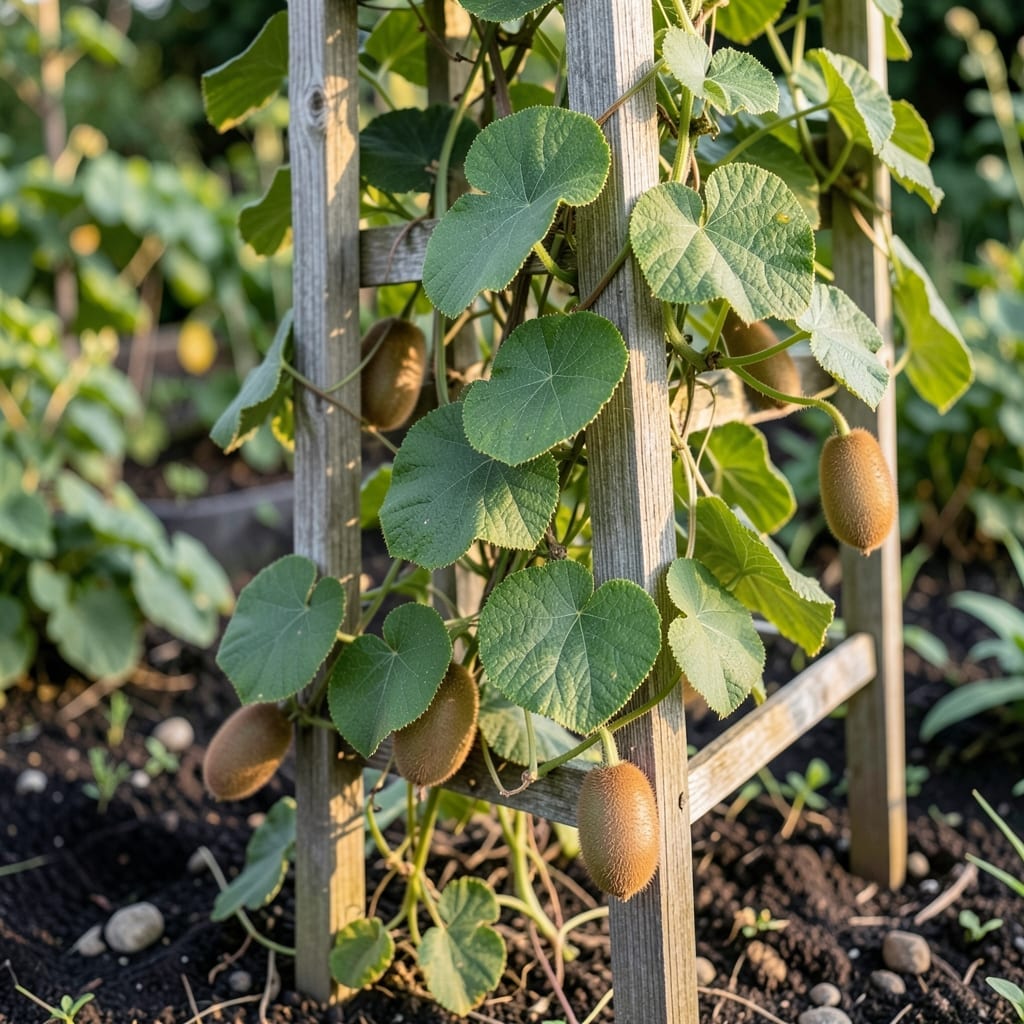
Those broad, fuzzy leaves tell you a lot about your kiwi plant’s health. I’ve learned that yellowing edges usually mean thirst, while dark spots often signal fungus taking hold.
Catching issues early saves the vine. A weekly leaf inspection takes 2 minutes and prevents problems from spreading. The solution is often simpler than you’d think—adjust water, improve airflow, or remove pests by hand.
📚 In This Guide
Here’s the method I use to recognize toxicity signs and handle these leaves without risk.
Kiwi fruit leaves are large, heart-shaped, and have a slightly fuzzy texture on the underside. The vines themselves are vigorous climbers with reddish-brown stems that become woody with age. I always look for the distinctive 5-7 inch long leaves with prominent veins and serrated edges.
Real talk: the leaves contain actinidin, the same enzyme found in the fruit that can cause allergic reactions in some people. This is why proper identification matters before handling. The leaf arrangement is alternate, and new growth often has a reddish tint that matures to deep green.
In sensitive individuals, contact with kiwi leaves may cause skin irritation or rash within 12-24 hours. Look for redness, itching, or small bumps on skin that touched the plant. I’ve seen cases where gardeners develop mild dermatitis after pruning without gloves.
For pets, especially cats and dogs, ingestion can lead to vomiting, diarrhea, or lethargy within 6-12 hours. The most vulnerable are small animals that might chew on fallen leaves. Watch for excessive drooling or loss of appetite as early warning signs.
Always wear long sleeves and gardening gloves when working with kiwi vines. I use nitrile-coated gloves because they provide better protection against the leaf’s enzyme than cloth. Wash any exposed skin with soap and cool water immediately after contact.
When pruning, collect all leaf material in a sealed bag rather than leaving it on the ground. This prevents pets or children from accidental exposure. I keep a dedicated pair of pruning shears just for kiwi vines to avoid cross-contamination with other plants.
If you have pets, establish a 3-foot buffer zone around kiwi vines using physical barriers or dense plantings of non-toxic species. I’ve had success with a low decorative fence combined with lavender plants, which most pets avoid.
Train vines vertically on a trellis at least 6 feet high to keep leaves out of reach. Regularly check for fallen leaves, especially after windy days. In my experience, a weekly walk-through of the garden area catches most potential hazards before they become problems.
For skin irritation, wash the area thoroughly with mild soap and apply a cool compress for 10-15 minutes. If symptoms persist beyond 24 hours, consult a healthcare provider. I keep a tube of hydrocortisone cream in my gardening kit for such occasions.
If a pet ingests leaves, remove any remaining plant material from their mouth and monitor closely. Contact your veterinarian if symptoms develop. Never induce vomiting unless specifically instructed by a professional—this can sometimes cause more harm than good.
Small details make the difference between safe handling and accidental exposure.
Visual Identification: Focus on the distinctive 5-7 inch long leaves with serrated edges and prominent veins. New growth often has that reddish tint, so don’t overlook younger leaves when inspecting your vines. The fuzzy underside is another hallmark—run your gloved fingers gently across to confirm.
Timing Awareness: Remember that skin irritation can appear within 12-24 hours of contact, so don’t dismiss early symptoms. For pets, the 6-12 hour window is critical—watch for vomiting or lethargy immediately after they’ve been in the garden. I set a phone reminder to check on my dog after pruning sessions.
Safety Protocol: That 10-15 minute cool compress for skin irritation isn’t just soothing—it helps reduce the enzyme’s activity. Use cool, not ice-cold water to avoid shocking the skin. And if symptoms linger past 24 hours, that’s your cue to seek medical advice rather than waiting it out.
Prevention Strategy: The 3-foot buffer zone and 6-foot high trellis aren’t arbitrary measurements. These distances account for a pet’s reach when jumping or a child’s curiosity. I measured my garden carefully before planting—trust me, it’s worth the extra effort to prevent accidents.
Yes, kiwi fruit leaves contain actinidin and other compounds that can cause mild to moderate toxicity if ingested. Symptoms may include nausea, vomiting, or skin irritation. Always handle with care and avoid consumption.
No, kiwi leaves are not safe for pets. They can cause digestive upset or allergic reactions in dogs and cats. Keep leaves out of reach and consult a vet if ingestion occurs.
Wash the affected area with soap and water immediately. Apply a mild anti-itch cream or hydrocortisone. If irritation persists, seek medical advice to rule out allergic contact dermatitis.
Wear gloves when handling, then place leaves in a sealed bag before discarding in the trash. Avoid composting if you have pets or small children, as residue may remain toxic.
Yes! For gardening or composting, opt for non-toxic plant leaves like lettuce or spinach. If you’re looking for natural remedies, consult a professional before using any plant-based solutions.