
Beautiful Plants For Your Interior
Beautiful Plants For Your Interior
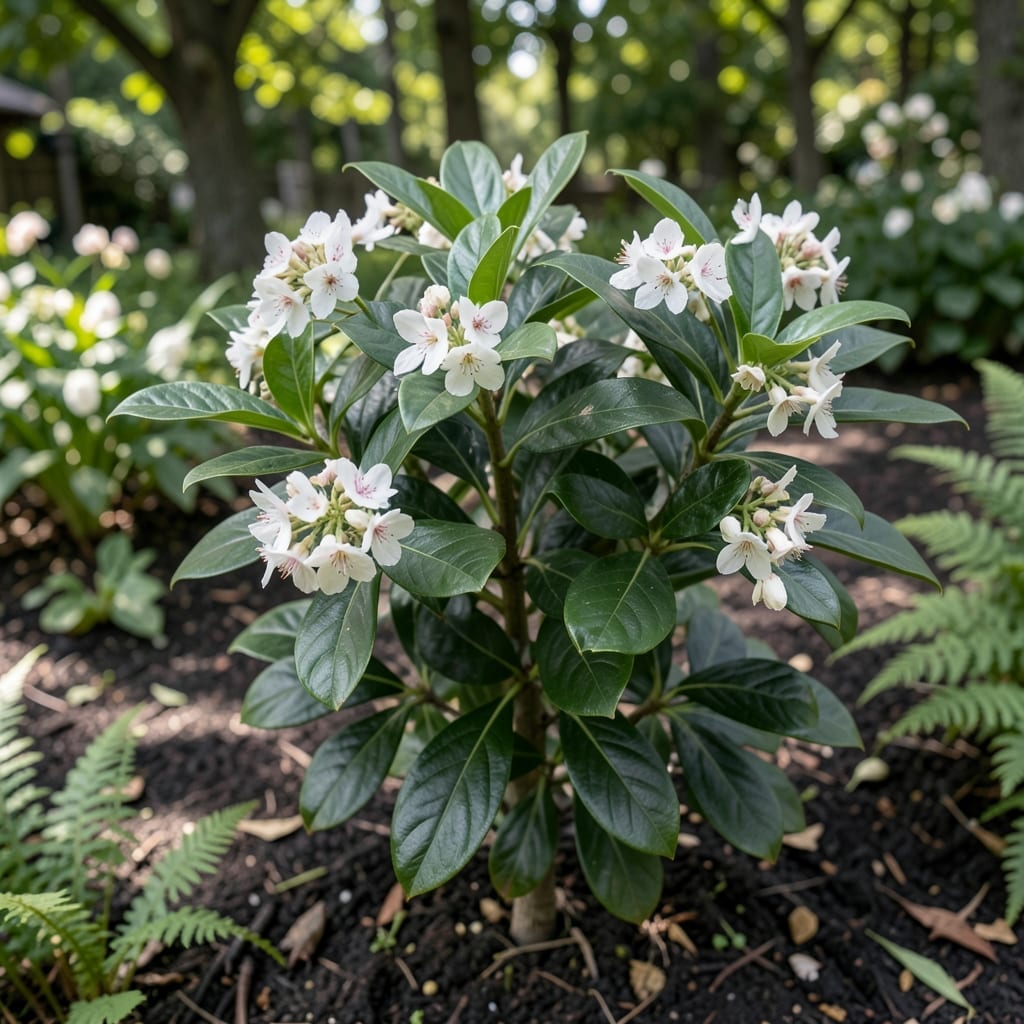
There’s something magical about watching mountain laurel’s pristine white blooms open in spring. I planted my first one after seeing it thrive in a neighbor’s shaded garden, and it’s been a showstopper ever since.
This native shrub asks for little: acidic soil, partial shade, and consistent moisture. Give it that, and it rewards you with glossy evergreen leaves and clusters of elegant flowers that stop visitors in their tracks.
📚 In This Guide
This method ensures healthy growth and abundant white blooms with minimal fuss.
Choose a location with partial shade to full sun, though afternoon shade is ideal in hotter climates. Kalmia latifolia white thrives in well-drained, acidic soil with a pH between 4.5 and 5.5. I always test the soil first—if it’s too alkaline, amend it with sulfur or peat moss.
Ensure the site has good air circulation to prevent fungal diseases. Avoid low-lying areas where cold air or water might pool. The soil should be rich in organic matter but never waterlogged, as this species despises soggy roots.
Dig a hole twice as wide as the root ball but no deeper. Loosen the soil at the sides to encourage outward root growth. If your soil is heavy clay, mix in 50% compost or pine bark fines to improve drainage and acidity.
Gently remove the plant from its container and tease out any circling roots. Place it in the hole so the top of the root ball sits slightly above ground level—this prevents settling, which can suffocate the roots. Backfill with the amended soil and tamp lightly to remove air pockets.
Water thoroughly after planting to settle the soil and eliminate air gaps around the roots. Use 1-2 gallons of water per plant, depending on size. Keep the soil consistently moist but not soggy during the first growing season.
Apply a 2-3 inch layer of organic mulch, such as pine bark or wood chips, around the base of the plant. This conserves moisture, suppresses weeds, and maintains cool root temperatures. Avoid piling mulch against the stem, as this can invite rot.
Prune immediately after flowering to shape the plant and remove any dead or diseased branches. Use clean, sharp pruners and cut just above a leaf node to encourage bushier growth. I avoid heavy pruning late in the season, as new growth may not harden off before winter.
Fertilize lightly in early spring with an acid-forming, slow-release fertilizer designed for rhododendrons or azaleas. Follow package instructions for application rates, and always water after fertilizing to prevent root burn. Over-fertilizing leads to excessive foliage at the expense of blooms.
Check soil moisture regularly, especially during dry spells. Kalmia latifolia white is somewhat drought-tolerant once established but performs best with consistent moisture. Yellowing leaves often indicate chlorosis, a sign of iron deficiency in alkaline soils—treat with chelated iron if needed.
Inspect the plant periodically for pests like lace bugs or spider mites, which can stress the plant and reduce flowering. A strong blast of water or insecticidal soap usually handles minor infestations. With proper care, your mountain laurel will reward you with stunning white blooms for years.
Took me years to refine these—here’s what actually works.
The Soil Factor: The pH range of 4.5 to 5.5 isn’t just a suggestion—it’s critical. I test my soil every spring and amend with sulfur or peat moss if the pH creeps above 5.5. Even slightly alkaline soil can cause yellowing leaves, which is your plant’s way of saying it’s struggling.
Planting Depth Insight: In Step 2, when you place the root ball slightly above ground level, resist the urge to bury it deeper for stability. Settling will naturally lower it, and planting too deep suffocates the roots. I’ve lost two plants this way before learning my lesson.
Watering Wisdom: The 1-2 gallons of water per plant in Step 3 isn’t arbitrary. Newly planted mountain laurel needs this initial drenching to eliminate air pockets, but after that, consistent moisture—not sogginess—is key. I water deeply twice a week during the first season, then taper off as the plant establishes.
Mulch Technique: That 2-3 inch layer of organic mulch in Step 3 serves multiple purposes, but here’s what nobody tells you: pine bark fines work better than wood chips for maintaining acidity. Also, keep mulch at least 2 inches away from the stem to prevent rot. I learned this after losing a plant to stem rot from overzealous mulching.
Plant in well-drained, acidic soil with partial shade. Water regularly but avoid soggy conditions. Mulch to retain moisture and protect roots in winter.
This evergreen shrub typically blooms in late spring to early summer, producing clusters of elegant white flowers.
Watch for lace bugs, leaf gall, and root rot. Ensure good air circulation and avoid overwatering to prevent fungal issues.
Yes! Use a large container with acidic potting mix. Keep soil moist but not waterlogged, and provide partial shade.
Consider Pieris floribunda (fetterbush) or Rhododendron for comparable white flowers and evergreen foliage.