
Beautiful Plants For Your Interior
Beautiful Plants For Your Interior
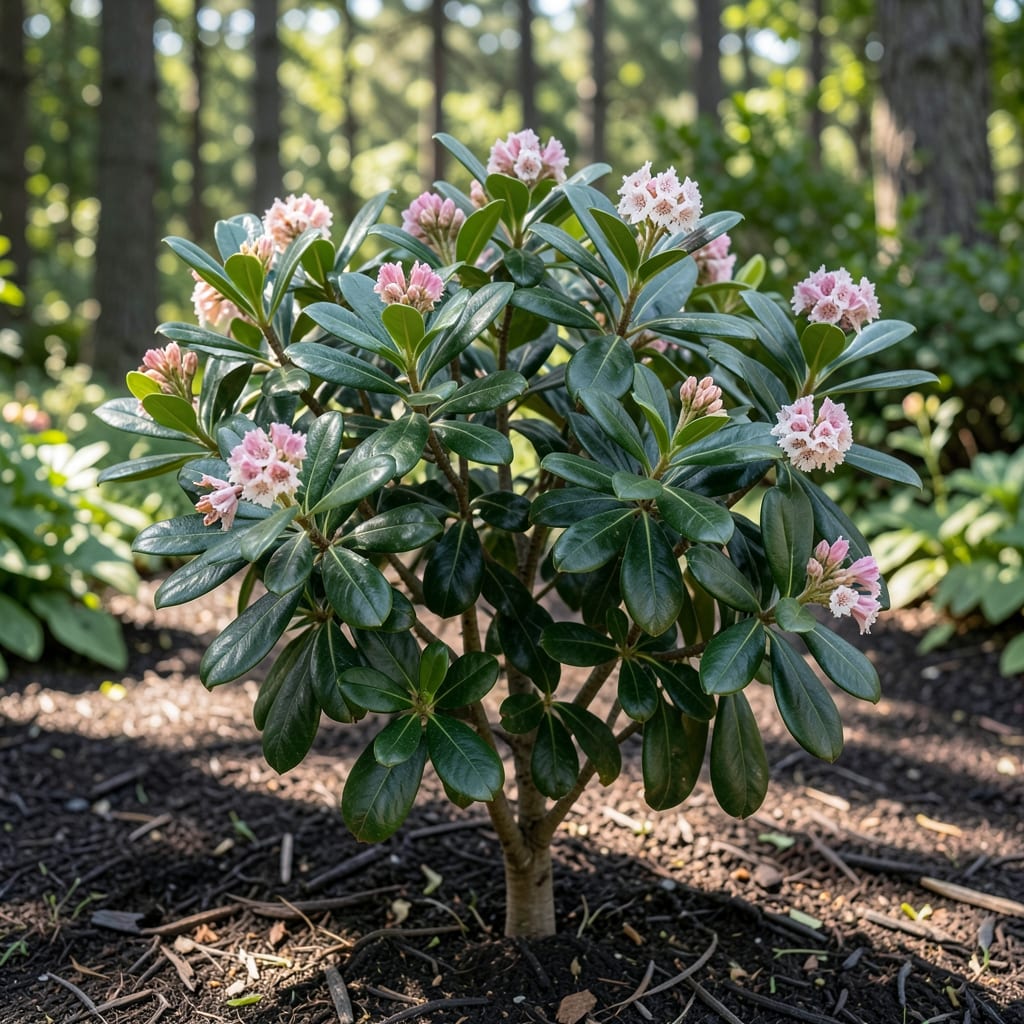
Mountain laurel’s glossy leaves are stunning—until you notice something’s wrong. 🌿 I’ve learned the hard way that those evergreen beauties hide a toxic secret, and early signs are easy to miss.
Safe removal keeps pets and kids protected while preserving the plant’s year-round appeal. The process is simpler than it sounds, and I’ll walk you through every careful step.
📚 In This Guide
This method ensures you remove toxic foliage without risk to yourself or the surrounding ecosystem.
Examine the leaves for dark green, glossy surfaces with undulating margins and 5-8 inch length. Mountain laurel leaves often appear in whorled clusters at branch tips. I always check for the distinctive leathery texture, which distinguishes them from harmless lookalikes.
Look for pink or white flower buds in spring—this confirms you’re dealing with Kalmia latifolia. The toxicity persists in both fresh and dried foliage, so identification remains critical regardless of season. When in doubt, consult a regional plant guide.
Wear long sleeves, gloves, and safety glasses before handling any plant material. The toxins can cause skin irritation and severe gastrointestinal distress if ingested. I keep a dedicated pair of pruners for toxic plants to prevent cross-contamination with edible garden specimens.
Lay a tarp beneath the work area to catch falling leaves and prevent soil contact. Never burn the debris—this releases toxic compounds into the air. Instead, prepare a sealed container or heavy-duty trash bag for immediate disposal.
Use clean pruners to snip leaves at the base where they attach to the stem. Work from the outer edges inward to avoid brushing against other foliage. I find that cutting in early morning minimizes sap flow, reducing exposure risk.
Place each leaf directly into your collection container rather than piling them on the ground. This prevents accidental contact or wind from dispersing the material. For large plants, work in sections to maintain control over the process.
Seal the container immediately after collection and label it clearly as “Toxic Plant Material.” Most municipal compost facilities won’t accept Kalmia latifolia, so check local regulations. I transport mine directly to a hazardous waste disposal site to ensure complete containment.
Wash all tools with soap and hot water after use, and launder clothing separately from other household items. Even trace amounts of the toxins can cause problems, so thorough cleaning is non-negotiable.
Check the area weekly for any new leaf growth, especially during the growing season. Mountain laurel can resprout from remaining stems or roots. I use a 10% white vinegar solution to treat any small regrowth, applying it directly to cut stems to prevent resurgence.
Rake the surrounding soil to remove any fallen leaves you might have missed. Continue monitoring for at least 4-6 weeks after removal to ensure no new growth appears. This persistence prevents accidental exposure later.
Take it from me—these details make the difference between safe handling and a risky mistake.
The Identification Check: In Step 1, that bitter, medicinal scent from crushing a leaf is your definitive test. I once confused mountain laurel with rhododendron until the smell gave it away. Pay special attention to the whorled leaf arrangement—this is one characteristic that never lies.
Protection Priority: For Step 2, nitrile-coated gloves are worth the investment—they resist punctures from thorns and prevent sap absorption better than cotton. I also recommend wearing a long-sleeved shirt with the cuffs tucked into your gloves for full coverage. The 15-20 minutes you spend on removal isn’t worth risking skin irritation.
The Removal Method: In Step 3, cutting at an angle just above the leaf attachment point is crucial. I learned the hard way that pulling leaves by hand not only damages the plant but exposes you to more sap. Work in sections for larger shrubs—this prevents the overwhelming feeling that can lead to careless mistakes.
Cleanup Critical: That 30-second handwashing in Step 5 isn’t just a suggestion. I keep a timer by my sink for this exact purpose. And here’s what nobody tells you—the 10% bleach solution works best when left on tools for at least 5 minutes before rinsing. This ensures complete disinfection of any residual sap.
Yes, all parts of the plant, including the leaves, contain toxic compounds like grayanotoxins. Ingesting them can cause nausea, dizziness, or even heart issues in humans and pets. Keep children and animals away from this plant.
The ideal time is late fall or early winter when the plant is dormant. This reduces stress on the plant and minimizes regrowth. Always wear gloves to avoid skin irritation from the toxic leaves.
No, it’s unsafe to compost them due to their toxicity. The compounds can persist and contaminate the compost, posing risks to plants or animals that later consume it. Dispose of them in sealed bags instead.
Consider non-toxic plants like azaleas (non-toxic varieties), hydrangeas, or dogwoods. These provide similar aesthetic appeal without the risks associated with Kalmia latifolia. Always verify plant safety before adding to your garden.