
Beautiful Plants For Your Interior
Beautiful Plants For Your Interior
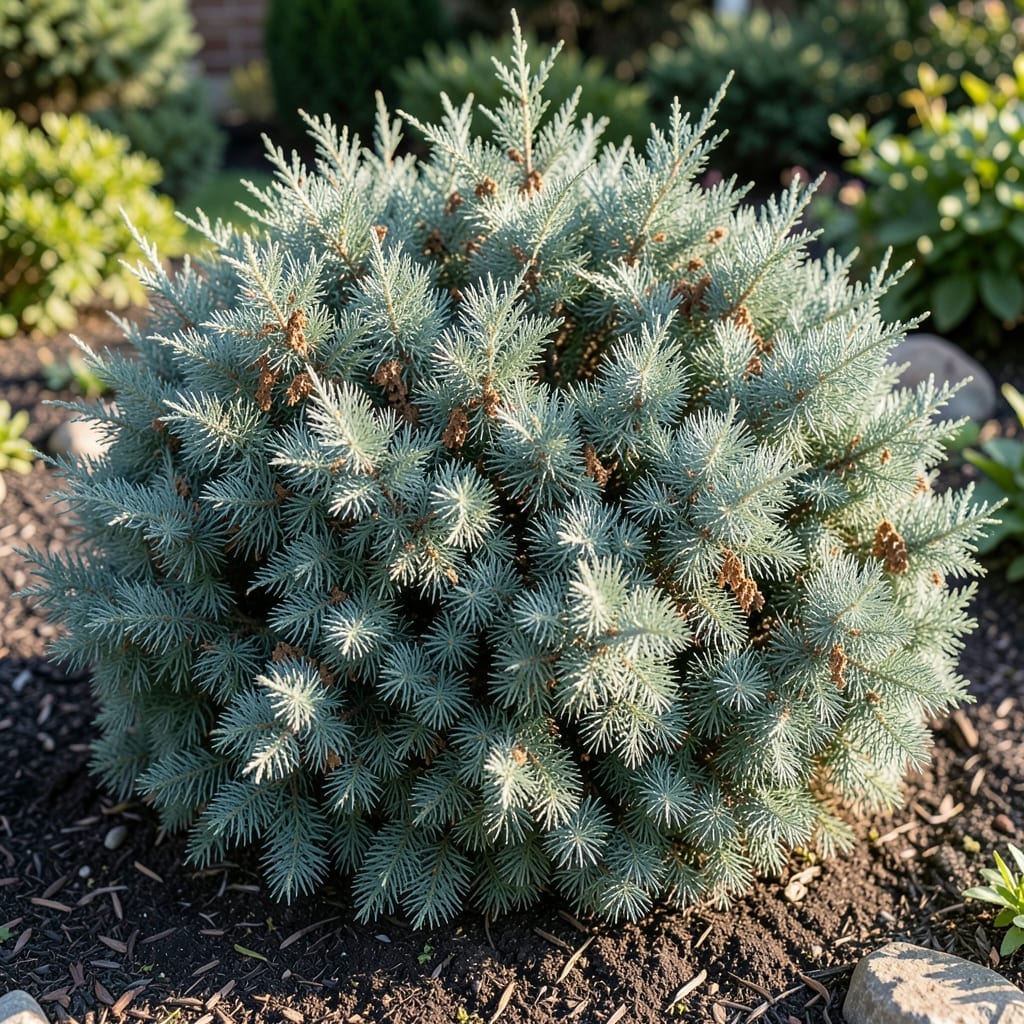
Brown patches spreading through your juniper aren’t just ugly—they’re a warning sign. 🌿 I’ve seen these fungus problems wipe out established plants in a single season when left unchecked.
The good news is most juniper diseases announce themselves with distinct symptoms. Yellowing tips, dying branches, or strange growths each point to different culprits. Catching them early makes treatment far more effective.
With the right approach, you can stop the spread and even nurse affected plants back to health. The key is knowing exactly what you’re dealing with before reaching for solutions.
This guide helps you identify the issue fast and take action before it’s too late. Your junipers can recover with the proper care and attention.
Understanding the root causes of fungal infections in junipers helps prevent and manage outbreaks. Below are the primary factors that create ideal conditions for these pathogens to thrive.
Fungi like Phomopsis and Kabatina thrive in damp environments. Overwatering, poor drainage, or prolonged rain can saturate the soil and foliage, creating a breeding ground for spores. Junipers in low-lying or poorly ventilated areas are especially vulnerable. Action: Ensure proper spacing between plants and improve soil drainage to reduce moisture buildup.
Warm, humid conditions (60–80°F) accelerate fungal growth. High humidity slows evaporation, keeping foliage wet for extended periods. Action: Prune dense canopies to increase airflow and reduce humidity pockets. Water early in the day to allow foliage to dry quickly.
Tightly packed junipers or overgrown branches restrict airflow, trapping moisture and encouraging fungal spores to settle. Action: Thin out dense growth and maintain a 3–5 ft gap between plants to promote ventilation.
Fungal spores linger on pruning tools, fallen needles, or infected plant debris. Using unsterilized tools or leaving decaying matter near healthy junipers spreads disease. Action: Sterilize tools with rubbing alcohol between cuts and remove all fallen debris promptly.
Weakened junipers (due to drought, nutrient deficiency, or root damage) are more susceptible to fungal attacks. Action: Maintain plant health with balanced fertilization, consistent watering, and protection from physical stress.
Tackling juniper fungus issues starts with identifying the specific problem and applying targeted solutions. Here’s a practical guide to addressing common fungal diseases in junipers.
Remove infected branches immediately to prevent spread. Cut at least 4–6 inches below the affected area and disinfect pruners with rubbing alcohol between cuts. Prevention tip: 💡 Space plants properly for airflow and avoid overhead watering to reduce humidity.
Apply a copper-based fungicide or neem oil at the first sign of yellow or brown spots. Repeat every 7–10 days until symptoms fade. Prevention tip: 🌡️ Water early in the day so foliage dries quickly, and rake up fallen debris to limit fungal spores.
If roots are soggy or blackened, stop watering and amend soil with sand or grit. For severe cases, remove and replant in well-draining soil. Prevention tip: ✨ Use raised beds or containers if your soil retains too much moisture.
Prune out web-covered branches and dispose of them in sealed bags. Apply a fungicide labeled for Pestaloziopsis and repeat as needed. Prevention tip: 🎯 Thin out dense growth annually to improve air circulation.
General care: Keep junipers healthy with balanced fertilization and avoid stress from drought or poor soil. A little vigilance goes a long way in keeping fungus at bay!
Look for brown or yellow patches on needles, dying branches, or unusual growths. Early signs include discolored foliage and blackened stems. Catching it early makes treatment much easier.
Improve airflow by spacing plants 3–5 ft apart and prune dense growth. Water early in the day and remove fallen debris promptly. These steps reduce moisture buildup.
Remove all infected branches and dispose of them in sealed bags. Apply a fungicide and improve growing conditions. If roots are damaged, replanting in well-draining soil may be necessary.