
Beautiful Plants For Your Interior
Beautiful Plants For Your Interior
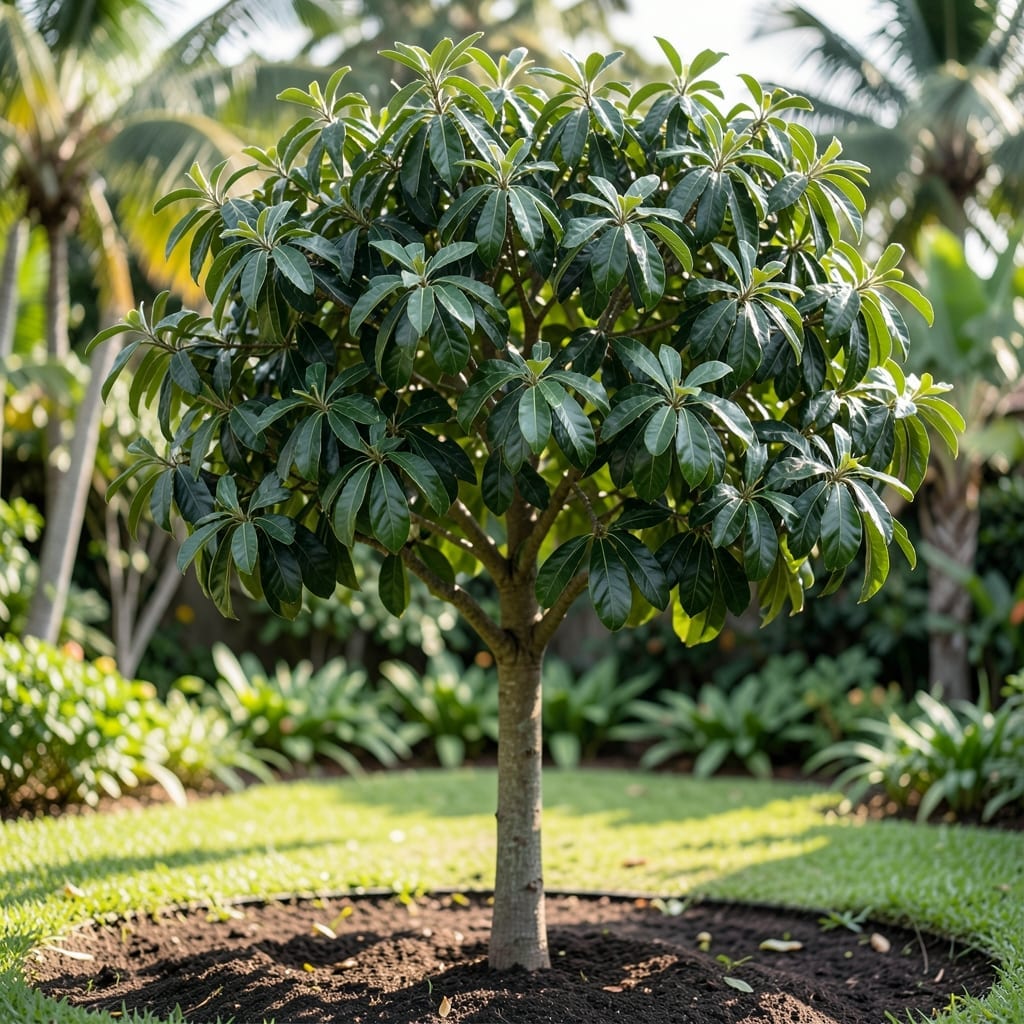
June plum leaves tell a story before the tree does. I check mine weekly for yellowing, spots, or curled edges—early signs of trouble that most gardeners miss until it’s serious.
Natural fixes like neem oil or compost tea often solve issues before they spread. With consistent care, your tree’s foliage stays vibrant and productive, and you avoid the frustration of lost harvests.
📚 In This Guide
Transform these natural materials into a powerful plant tonic with this straightforward process.
Gather mature, healthy leaves from a june plum tree—avoid any with spots, tears, or pest damage. I always pick in the morning when the essential oils are most concentrated. Rinse them gently under cool water to remove dust and debris without bruising the delicate tissue.
Pat the leaves dry with a clean cloth or let them air-dry for 30-60 minutes. You’ll want about 2 cups of fresh leaves for a standard batch. Bruising the leaves slightly (by crushing or tearing) helps release their beneficial compounds more efficiently during extraction.
Place the prepared leaves in a heat-resistant container and pour 4 cups of boiling water over them. Cover immediately to trap the volatile oils. Let the mixture steep for 12-24 hours—the longer it sits, the more potent the infusion becomes.
The liquid should turn a rich amber color, signaling that the tannins, antioxidants, and micronutrients have fully leached from the leaves. Strain through a fine mesh or cheesecloth to remove all plant material, pressing gently to extract the last drops of liquid gold.
Dilute the strained infusion with water at a 1:1 ratio to prevent over-concentration, which could stress plants. I recommend using it immediately for best results, though it will keep in the refrigerator for up to 3-5 days if stored in a sealed glass container.
Apply the solution as a foliar spray in the early morning or late evening to avoid leaf burn from the sun. Mist the leaves until they’re lightly coated but not dripping. For soil drenching, use 1 cup of diluted solution per plant at the base, where the roots can absorb the nutrients directly.
Observe your plants for 24-48 hours after the first application. You’ll notice improved leaf color and vigor if the remedy is working. Yellowing or wilting leaves may indicate overuse—reduce the frequency to once every 2 weeks instead of weekly.
This tonic is particularly effective for plants showing signs of stress, such as slow growth or pest susceptibility. I’ve found it works wonders on tomatoes, peppers, and leafy greens, giving them a visible boost within a week of consistent use.
Master the nuances of this process with these essential insights I’ve gathered through trial and error.
The Steeping Time Factor: That 12-24 hour steeping window in Step 2 is non-negotiable for maximum potency. I’ve found the infusion reaches its peak effectiveness at the 24-hour mark, when the liquid transforms into that deep amber color indicating full extraction of beneficial compounds. Don’t rush this step—patience here directly impacts the tonic’s strength.
Leaf Preparation Intelligence: In Step 1, the 30-60 minute air-drying time is crucial. If you skip this, excess moisture will dilute your infusion and reduce its efficacy. Bruising the leaves is equally important—gently crushing them before steeping increases the surface area, allowing more tannins and micronutrients to infuse into the water.
Application Timing Wisdom: The 24-48 hour observation period in Step 4 is your best indicator of effectiveness. Apply the tonic in early morning or late evening as directed to prevent leaf burn, and watch for subtle changes in leaf color and plant vigor. If you notice yellowing within this window, you’ve likely over-concentrated the solution and should dilute further for future applications.
Storage Strategy: While the tonic is most potent when used immediately, that 3-5 day refrigeration window gives you flexibility. Always use a sealed glass container—plastic can absorb some of the active compounds and may leach chemicals. The 1:1 dilution ratio in Step 3 is also critical; undiluted tonic can stress plants rather than nourish them.
June plum leaves act as a natural pesticide and fungicide, boosting plant health by deterring pests like aphids and whiteflies. They also contain compounds that can improve soil fertility and promote growth.
Steep fresh or dried June plum leaves in water for 24-48 hours, then strain. Dilute the liquid with water (1:1 ratio) and spray directly on leaves. This helps control pests and fungal infections.
Apply in the early morning or late afternoon to avoid leaf burn from the sun. Use weekly for prevention or every 3-4 days for active infestations.
Yes, but test on a small area first. Some sensitive plants may react poorly. Avoid using on very young seedlings.
Rinse the leaves with clean water immediately and discontinue use. If damage persists, dilute the spray further or try an alternative remedy like neem oil.