
Beautiful Plants For Your Interior
Beautiful Plants For Your Interior
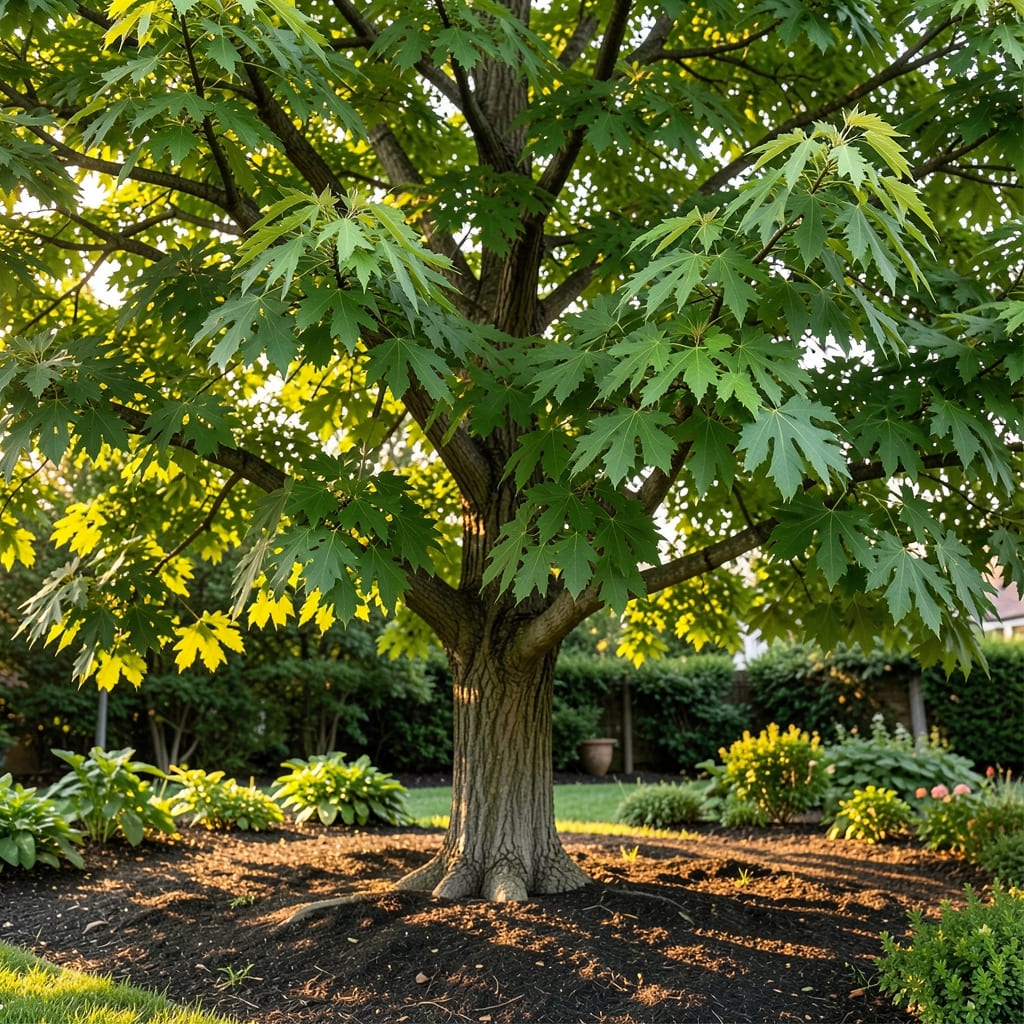
I first noticed the butternut’s leaves while hiking through a mixed hardwood forest. Their long, pointed shape and slightly toothed edges make them unmistakable once you know what to look for.
These trees thrive in well-drained soil and full sun, but their leaves often reveal health issues first. Yellowing or brown spots can signal trouble, while vibrant green indicates a happy, productive tree. Proper care keeps them looking their best.
📚 In This Guide
Here’s how I approach identifying butternut leaves and keeping the tree healthy throughout the seasons.
Butternut leaves grow in a compound arrangement with 11-17 leaflets per stem, each 2-4 inches long. The leaflets are lance-shaped with a slightly serrated edge, and they attach directly to the central stem without individual petioles.
I always look for the terminal leaflet first—it’s noticeably larger than the others. The leaves have a medium green color that turns golden in fall. This unique structure sets them apart from other walnut species.
Here’s the thing—young trees may have simpler leaves with fewer leaflets, so don’t be alarmed if your sapling doesn’t match the mature description perfectly.
The upper surface of butternut leaves has a slightly rough texture you can feel when running your fingers along the leaflet. The underside appears paler and may have fine hairs along the veins.
I check for a faint citrusy aroma when crushing a leaf between my fingers—this is a subtle but reliable identifier. The leaves also have a matt finish rather than a glossy appearance, which helps distinguish them from black walnut leaves.
Butternut leaves emerge late in spring, often after other trees have fully leafed out. They grow rapidly, reaching full size by early summer. I monitor for the first signs of yellowing in late summer, which indicates the tree is preparing for dormancy.
The leaves typically drop after the first hard frost, turning a rich golden color before falling. This seasonal pattern is consistent year after year, making it a reliable characteristic for identification.
I’ve found that butternut trees thrive in full sun to partial shade and prefer well-drained, moist soils. They’re sensitive to compacted or waterlogged soils, so I always ensure good drainage around the root zone.
Watch for signs of butternut canker, which appears as sunken, dark areas on the bark. The disease often affects leaves first, causing them to wilt and brown prematurely. Regular inspection helps catch problems early.
Prune butternut trees in late winter or early spring before new growth begins. I remove dead or diseased branches first, making clean cuts just outside the branch collar. This encourages healthy new growth and better air circulation.
After pruning, I monitor the tree for new leaf growth, which should appear within 4-6 weeks. The fresh leaves will be a brighter green and smaller than mature leaves, gradually growing to full size through the season.
These practical insights will help you identify and care for butternut tree leaves with confidence.
Leaf Structure Clue: When examining leaves, focus on the compound arrangement with 11-17 leaflets per stem. The terminal leaflet is always the largest, so start there. Young trees may have fewer leaflets, but the lance shape and serrated edges remain consistent across all ages.
Texture and Aroma Check: The slightly rough upper surface and faint citrusy aroma when crushed are unique identifiers. Always compare the matt finish to the glossier leaves of black walnut trees—this contrast is particularly noticeable in bright sunlight.
Seasonal Observation: Butternut leaves emerge later than most trees in spring and drop after the first hard frost. This timing is so reliable that I use it as a natural calendar. The golden fall color is another dead giveaway for positive identification.
Health Monitoring: For tree care, prioritize good drainage as butternuts are particularly sensitive to waterlogged soils. I check for butternut canker by looking for sunken, dark bark areas, especially after noticing premature leaf wilting or browning.
Juglans cinerea (butternut) leaves are compound, with 11–17 lance-shaped leaflets that are finely serrated and aromatic when crushed. They’re bright green above and paler beneath, turning yellow in fall.
Yes, young leaves can be used in teas or cooked, but they contain juglone, a compound that may be toxic in large quantities. Always consume in moderation and consult a specialist before use.
Brown leaves may indicate disease (like butternut canker), drought stress, or pest infestations. Check for spots, wilting, or pests, and ensure proper watering and soil drainage.
Butternut leaves have finer serrations and a more elongated shape compared to black walnut leaves, which are broader with coarser edges. Butternut leaflets also smell sweeter when crushed.
Butternut trees typically shed leaves in late fall (October–November), depending on climate. Leaf drop signals dormancy and is a natural part of the tree’s seasonal cycle.