
Beautiful Plants For Your Interior
Beautiful Plants For Your Interior
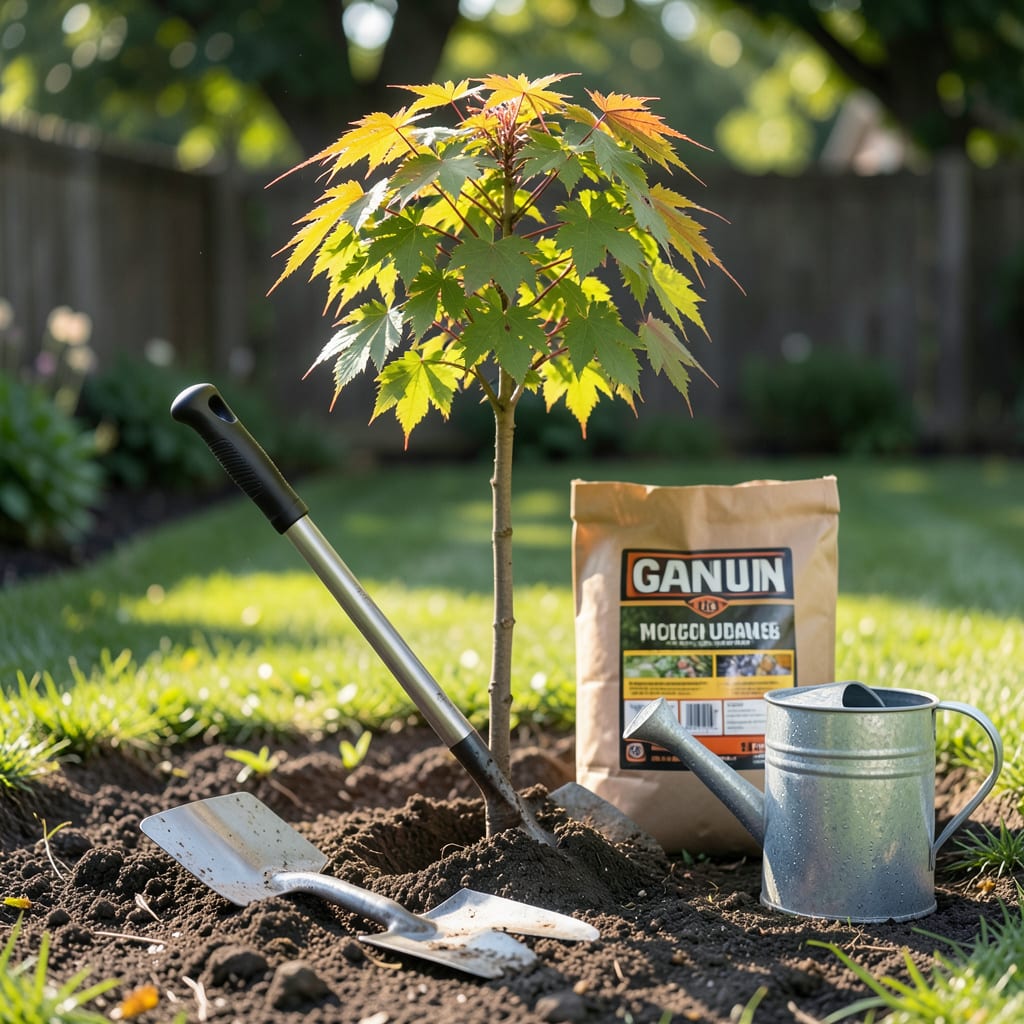
Timing is everything when you’re planting a 🌳 Tree—get it right, and you’ll give your new addition decades of strong growth. Miss that sweet spot, and you might struggle with weak roots or stunted progress. It’s not just about picking a date; it’s about reading nature’s cues.
I’ve seen too many gardeners rush the process only to watch their trees struggle. The secret? Understanding your local climate and soil conditions. Let me show you exactly when to plant for maximum success—whether you’re in zone 6 or somewhere entirely different.
Timing is everything when planting trees in spring. The ideal window depends on your USDA hardiness zone, tree type, and whether you’re planting bare-root or container-grown specimens. In colder zones (3-5), aim for early spring (March-April) to give roots time to establish before summer heat.
For warmer zones (6-9), late spring (April-May) works best, as soil stays workable longer. The magic number? Soil temperature above 50°F—this triggers root growth. Evergreens prefer slightly cooler soil than deciduous trees, so adjust accordingly. Always check your last frost date too!
| Tree Type | USDA Zones | Ideal Planting Window | Soil Temp |
|---|---|---|---|
| Maple (Deciduous) | 3-8 | March-April | 50-60°F |
| Oak (Deciduous) | 4-9 | April-May | 55°F+ |
| Pine (Evergreen) | 3-7 | Early April | 45-55°F |
| Fruit Trees | 5-9 | Late March | 50°F+ |
| Birch (Deciduous) | 2-7 | Early April | 48-55°F |
Note: Bare-root trees need planting 2-3 weeks earlier than container-grown.
In USDA Zone 6, where I garden, my rule is: Plant after April 15 (our last frost date) but before May 1. This gives roots 6-8 weeks to establish before summer stress. For bare-root trees, I plant 2 weeks earlier—they need extra time to recover from transplant shock.
Evergreens like spruce or fir prefer cooler soil, so I plant them in early April. Deciduous trees like maples or oaks can wait until mid-April when soil warms slightly. Always check soil moisture too—it should crumble when squeezed, not stick together or drip water.
If you’re in warmer zones (8-9), watch for false spring—a late frost can kill new growth. I use a soil thermometer to confirm temps before planting. For container-grown trees, you’ve got more flexibility, but avoid planting during heatwaves (above 85°F).
Pro tip: Water deeply after planting—5 gallons per inch of trunk diameter. This eliminates air pockets and encourages roots to spread. Mulch with 2-3 inches of wood chips to retain moisture, but keep mulch 3 inches away from the trunk to prevent rot.
Remember, spring-planted trees need extra attention their first year. I check soil moisture weekly and water when the top 2-3 inches feel dry. Avoid fertilizing at planting—wait 6-8 weeks to let roots establish naturally.
Still unsure? Here’s my foolproof test: Dig a 12-inch-deep hole and leave it overnight. If the sides stay intact (not crumbling or soggy) by morning, your soil’s ready. If it’s muddy or frozen, wait a week and test again. Patience now means decades of healthy growth later! 🌳
For those in drought-prone areas, consider drought-tolerant species like Texas Red Oak or Desert Willow. These thrive with less water once established. Always amend soil with compost to improve water retention without waterlogging.
Before you even think about planting a tree, your soil conditions must be just right. I’ve learned the hard way that rushing this step can stunt growth or even kill young trees. The key? Testing for moisture, temperature, and workability before digging that first hole.
Start with the squeeze test: Grab a handful of soil and squeeze. If it crumbles when you open your hand, it’s perfect. If it stays in a muddy clump or drips water, it’s too wet. For temperature, I use a soil thermometer—50°F or higher is ideal for most trees.
⚠️ Warning: Planting in soggy soil causes root rot. Wait 3-5 days after heavy rain.
I always check soil workability too. If your garden trowel slides in easily but the soil doesn’t stick to your boots, you’re good. For clay-heavy soils, amend with compost to improve drainage before planting. A 12-inch-deep test hole overnight reveals hidden issues.
In USDA Zone 6, I plant when dandelions start blooming—nature’s signal that soil is warm enough. For bare-root trees, I act 2 weeks earlier than container-grown. Evergreens? Plant them as soon as soil thaws, even if it’s still chilly.
Avoid the “false spring” trap in zones 7-9. A late frost after planting can damage new growth. I use the “asparagus test”: When wild asparagus shoots appear, soil is safe. For drought-prone areas, add 2 inches of mulch after planting to lock in moisture.
Pro move: Water the planting hole before inserting the tree. This ensures roots contact moist soil immediately. Then water again after backfilling—1 gallon per foot of tree height. Skip fertilizer at planting; it can burn tender new roots. Wait 6-8 weeks before feeding.
Still unsure? Here’s my fail-safe trick: Call your local extension office. They’ll have hyper-local soil temp data and frost forecasts. Remember, a well-timed planting means less maintenance and faster establishment. Your future self (and your tree) will thank you! 🌳
Choosing between spring planting and fall planting can make or break your tree’s future. I’ve planted trees in both seasons, and each has distinct advantages. Spring planting works best for fast-growing species like maples and birches, while fall gives deep-rooted trees like oaks extra time to establish.
The key difference? Root establishment vs. top growth. Spring-planted trees focus energy on leaves and branches, while fall-planted trees channel everything into roots. In USDA Zone 6, I’ve found spring works better for fruit trees that need early warmth, while fall suits evergreens that prefer cooler soil.
In my Zone 6 garden, I plant maples and birches in spring—they thrive with early warmth. But I save oaks and pines for fall when cooler temps reduce transplant shock. The exception? Drought-prone areas where fall planting risks winter desiccation. There, spring planting with deep mulching works better.
Here’s my rule of thumb: If your tree is fast-growing (like willows or poplars) or frost-sensitive (like citrus), choose spring. For slow-growing species (oaks, pines) or those needing deep root systems, fall planting gives better results. Always check your local frost dates—plant at least 6 weeks before first frost in fall.
Still undecided? Try this: Dig your planting hole and leave it overnight. If it’s dry but not bone-dry by morning, spring planting will work. If it retains even moisture, fall might be better. And remember—container-grown trees give you more flexibility than bare-root in either season. 🌳
Aim for 50°F or higher at a 6-inch depth. This triggers root activity and helps trees establish before summer. Use a soil thermometer for accuracy—cooler temps slow growth, while warmer soil speeds up establishment.
Yes! Container-grown trees have established roots, so they handle planting 2-3 weeks later than bare-root. This gives you more flexibility in warmer zones. Just avoid extreme heat (above 85°F) to reduce stress.
Do the squeeze test: Grab a handful of soil and squeeze. If it drips water or stays in a muddy clump, it’s too wet. Ideal soil crumbles when opened. Planting in soggy soil causes root rot—wait 3-5 days after heavy rain.
Planting too early when soil is still frozen or waterlogged. This stunts root growth and can kill young trees. Always check soil workability and temperature—patience now prevents problems later. Avoid fertilizing at planting too!
Skip slow-growing species like oaks or pines in spring—they prefer fall’s cooler temps. Also avoid planting drought-sensitive trees (like dogwoods) in hot climates. Stick to fast growers like maples or fruit trees for spring success.
