
Beautiful Plants For Your Interior
Beautiful Plants For Your Interior
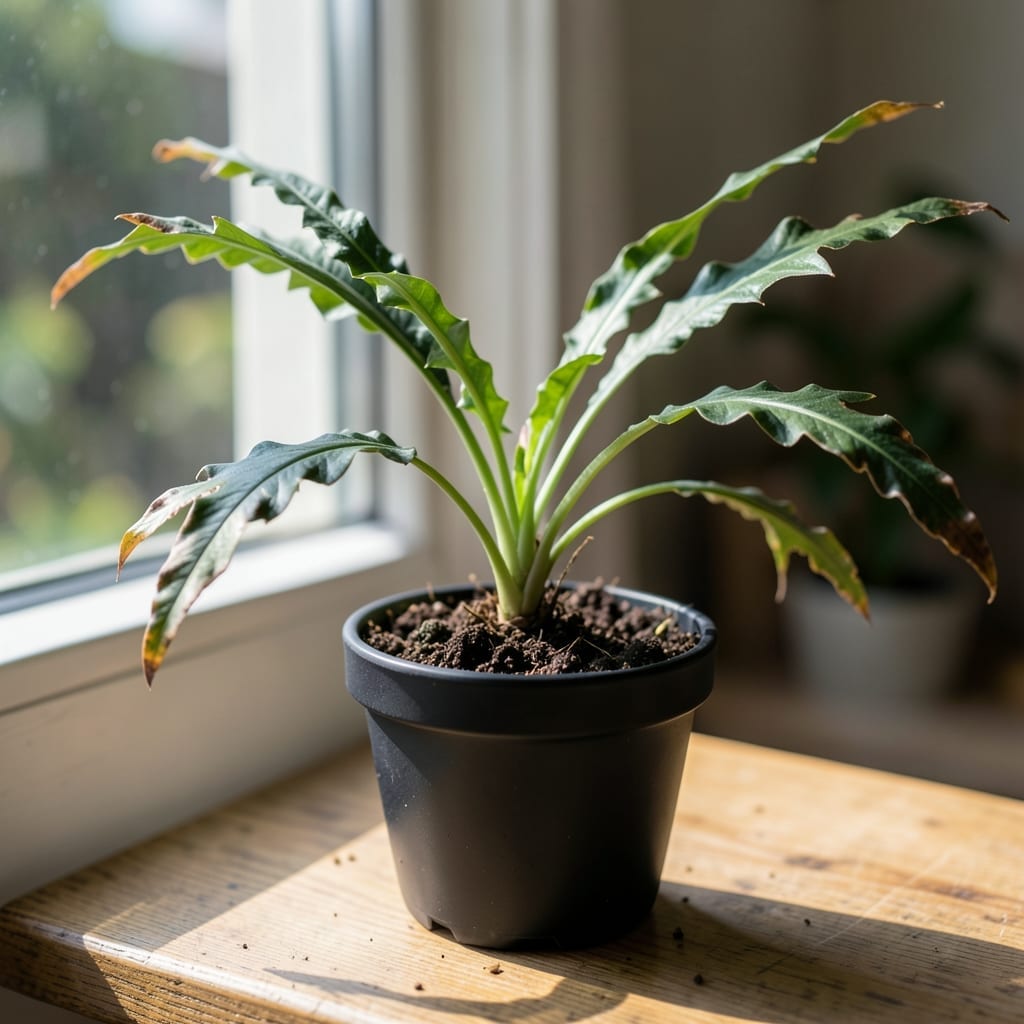
Brown fronds on your Java fern aren’t a death sentence. I’ve nursed dozens back to vibrant green with a few simple adjustments.
The culprit is usually light, water, or nutrients—but often it’s overthinking the care. These plants thrive on neglect more than fussing. Too much light scorches the leaves, while too little turns them yellow-brown.
You’ll see new growth within 2-3 weeks once conditions are right. The key is matching your plant’s needs to its environment, not the other way around.
Works for tank-grown or potted ferns. Here’s how to diagnose and fix the issue for good.
Java ferns are hardy, but even these resilient plants can develop brown fronds when their needs aren’t met. Here’s a breakdown of the most common causes and the science behind them:
Java ferns thrive in low to medium indirect light. When exposed to too little light, their photosynthesis slows down, starving the plant of energy. Chlorophyll breaks down, and the fronds lose their green pigment, turning brown. This often starts at the tips or edges, where the plant can least afford to lose moisture or nutrients.
These tropical plants prefer stable temperatures between 68–82°F (20–28°C). Sudden drops below 60°F (15°C) or spikes above 85°F (29°C) disrupt cellular function, leading to tissue damage. Cold stress causes necrosis (cell death), while heat stress accelerates water loss, both resulting in brown, crispy fronds.
Java ferns are sensitive to water quality. High levels of chlorine, chloramine, or heavy metals (like copper) in tap water can poison the plant, causing oxidative damage to its cells. Similarly, low humidity (below 50%) or inconsistent moisture levels in the substrate can dehydrate the fronds, leading to browning and curling.
While Java ferns aren’t heavy feeders, a lack of nitrogen, potassium, or iron can trigger discoloration. Nitrogen deficiency often appears as uniform yellowing before turning brown, while potassium shortages cause edge scorching. Iron deficiency, common in high-pH water, leads to interveinal chlorosis (yellowing between veins) followed by browning.
Java ferns turn brown for a few common reasons, but each has a straightforward fix. Here’s how to nurse your plant back to health and keep it thriving.
If your java fern is exposed to direct sunlight, its delicate fronds can scorch and turn brown. Move it to a spot with low to medium indirect light, such as near a north-facing window or under a shaded grow light. Java ferns thrive in the same light conditions as their natural rainforest floor habitat—dappled and gentle.
Prevention tip: 💡 Rotate your plant occasionally to ensure even light exposure and prevent one side from getting too much sun.
Brown tips or edges often signal a buildup of chemicals or minerals from tap water. Switch to using distilled, rainwater, or dechlorinated water for misting and watering. If that’s not an option, let tap water sit out for 24 hours to allow chlorine to evaporate before use.
Prevention tip: 🌡️ Test your water’s pH and hardness occasionally. Java ferns prefer slightly acidic to neutral water (pH 6.0–7.0).
Dry air saps moisture from the fronds, leading to crispy brown patches. Increase humidity by misting the plant regularly or placing it on a tray filled with pebbles and water. A small humidifier nearby can also work wonders.
Prevention tip: ✨ Group your java fern with other houseplants to create a microclimate with higher humidity.
If older fronds turn brown while new growth remains green, your java fern may lack essential nutrients. Use a balanced, diluted liquid fertilizer (half-strength) every 4–6 weeks during the growing season. Avoid over-fertilizing, as this can also cause browning.
Prevention tip: 🎯 Flush the soil with water every few months to remove excess salt buildup from fertilizers.
Pests like spider mites or scale can stress the plant, leading to brown, discolored fronds. Wipe down the leaves with a damp cloth and treat with neem oil or insecticidal soap if you spot any invaders. Isolate the plant to prevent pests from spreading to others.
Prevention tip: 🔥 Inspect new plants before bringing them home, and keep your java fern clean to deter pests.
Mist 2-3 times per week if humidity is below 50%. Use room-temperature water to avoid shocking the plant.
No, once fronds turn brown, they won’t recover. Trim them off to redirect energy to new growth. Recovery takes 2-3 weeks.
Avoid tap water with chlorine or heavy metals. Let it sit for 24 hours or use filtered water instead.
Keep it between 68–82°F (20–28°C). Avoid sudden temperature swings, which stress the plant.