
Beautiful Plants For Your Interior
Beautiful Plants For Your Interior
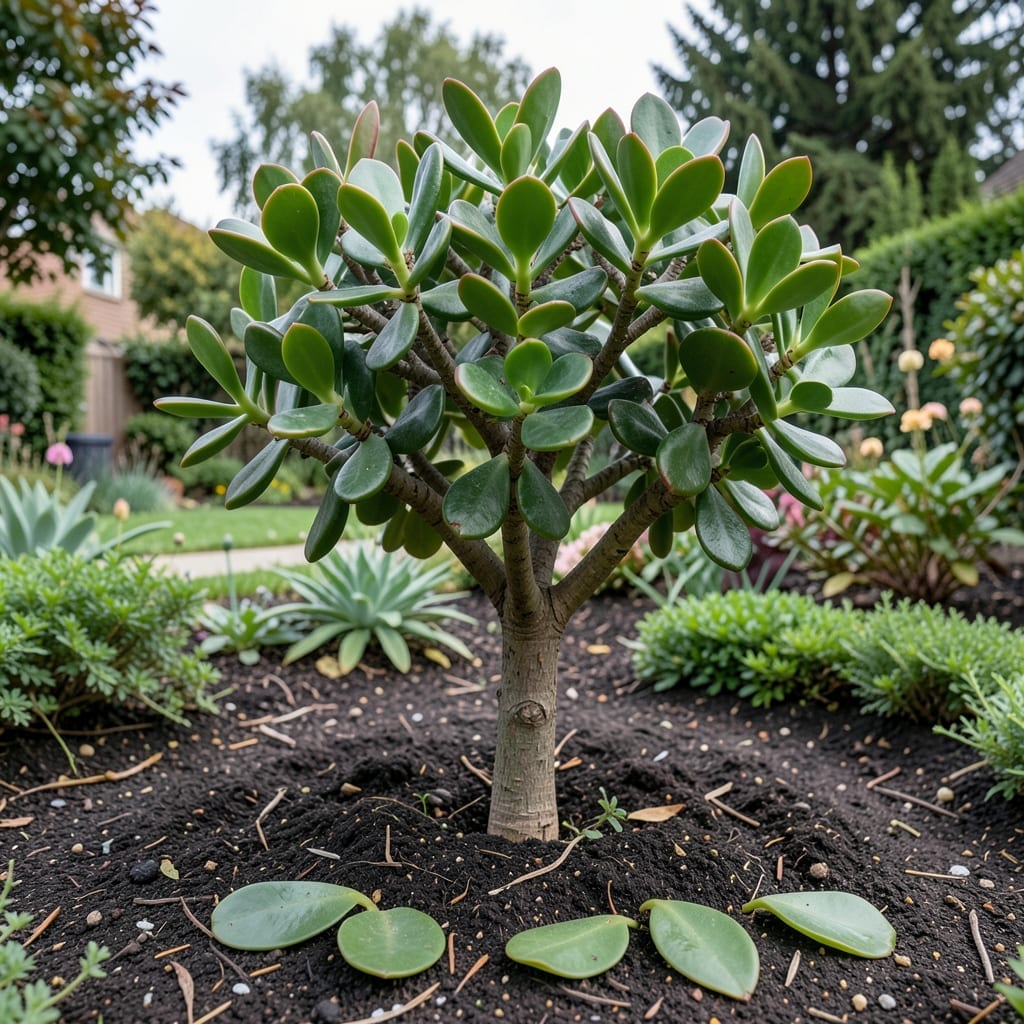
My jade plant looked healthy yesterday, then half its leaves hit the soil overnight. I’ve been there—panicking over a sudden leaf drop that seems to come out of nowhere.
Turns out, this usually signals one of three problems: too much water, not enough light, or a temperature shock. The good news? Jade plants are tough, and most issues have simple fixes once you know what to look for.
You’ll spot the difference between mushy leaves from overwatering and wrinkled ones from thirst. The plant bounces back fast with the right adjustments—often within a week.
Prevention is easier than you think. A few habit changes now save you from future leaf showers. Here’s what actually works.
Understanding why your jade plant is shedding leaves starts with identifying the root causes. Here are the most frequent culprits behind this issue:
Jade plants (Crassula ovata) are succulents, meaning they store water in their thick, fleshy leaves. Overwatering disrupts this balance, leading to soggy soil and oxygen deprivation for the roots. Prolonged moisture creates the perfect environment for Pythium or Phytophthora fungi, which cause root rot. As roots decay, they fail to absorb nutrients, forcing the plant to shed leaves to conserve energy. Signs: Yellowing, mushy leaves, and a foul odor from the soil.
While jade plants are drought-tolerant, chronic underwatering can stress them into dropping leaves. When soil remains dry for too long, the plant’s cells lose turgor pressure (water pressure within cells), causing leaves to wrinkle, dry out, and eventually fall. This is the plant’s survival mechanism to reduce water loss. Signs: Shriveled, crispy leaves and dry, compacted soil.
Jade plants thrive in bright, indirect light (4–6 hours daily). Too little light weakens the plant, leading to leggy growth and leaf drop as it struggles to photosynthesize efficiently. Conversely, intense direct sunlight (especially sudden exposure) can scorch leaves, causing them to turn brown, crisp, and fall off. Signs: Etiolated (stretched) stems, pale leaves, or sunburnt spots.
These plants prefer temperatures between 65–75°F (18–24°C). Exposure to drafts, cold snaps (below 50°F/10°C), or heat sources (like radiators) can shock the plant, triggering leaf drop. Sudden temperature fluctuations disrupt cellular processes, forcing the plant to shed leaves to redirect energy to core survival functions.
A lack of nitrogen, potassium, or magnesium can weaken leaf structure, while excess fertilizer (especially high-salt formulas) burns roots, mimicking drought stress. Both scenarios lead to leaf yellowing (chlorosis) and premature drop. Signs: Stunted growth, leaf discoloration, or salt crust on soil surface.
If your jade plant is shedding leaves, don’t panic—most causes are fixable with a few simple adjustments. Below are targeted solutions for each common issue, along with prevention tips to keep your plant thriving.
Stop watering immediately and check the soil. If it’s soggy, remove the plant from its pot and let the roots air-dry for a day or two. Repot in fresh, well-draining soil (a cactus or succulent mix works best). Water only when the top 1–2 inches of soil are completely dry.
Prevention: Use a pot with drainage holes and water deeply but infrequently—about every 2–3 weeks, depending on your climate.
Jade plants need 4–6 hours of direct sunlight daily. If your plant is leggy or dropping leaves, relocate it to a south- or west-facing window. Rotate the pot occasionally for even growth.
Prevention: Avoid dim corners or north-facing windows. If natural light is limited, supplement with a grow light for 10–12 hours a day.
Jade plants prefer 65–75°F (18–24°C). If exposed to drafts, heaters, or sudden temperature drops, move it to a stable, indoor spot away from vents or cold windows. Avoid temperatures below 50°F (10°C).
Prevention: Keep your plant in a consistent environment, and avoid placing it near frequently opened doors or windows in winter.
If the soil is compacted or waterlogged, repot with a gritty, fast-draining mix. Over-fertilizing can also cause leaf drop—flush the soil with water to remove excess salts. Feed lightly with a balanced, diluted fertilizer (e.g., 10-10-10) every 2–3 months in spring and summer only.
Prevention: Use a specialized succulent fertilizer and always follow the half-strength recommendation.
Check the leaves and stems for mealybugs, spider mites, or scale. Wipe them off with a cotton swab dipped in rubbing alcohol or spray with neem oil (diluted as directed). Isolate the plant to prevent spreading.
Prevention: Inspect new plants before bringing them home, and clean leaves regularly with a damp cloth to deter pests.
Pro Tip 💡: Jade plants are resilient! With the right adjustments, your plant should bounce back in a few weeks. Be patient and avoid overcorrecting—consistency is key.
Water only when the top 1–2 inches of soil are completely dry, typically every 2–3 weeks. Overwatering is the most common cause of leaf drop, so when in doubt, wait a few more days.
Yes! With proper care, most jade plants bounce back within 2–4 weeks. Remove fallen leaves, address the root cause (light, water, or temperature), and your plant will regrow.
A south- or west-facing window with 4–6 hours of bright, indirect light is ideal. Avoid harsh direct sun, which can scorch leaves, or dim corners, which cause leggy growth.
Wrinkled leaves usually mean underwatering. Check the soil—if it’s bone dry, give it a thorough drink. The leaves should plump up within 24–48 hours.