
Beautiful Plants For Your Interior
Beautiful Plants For Your Interior
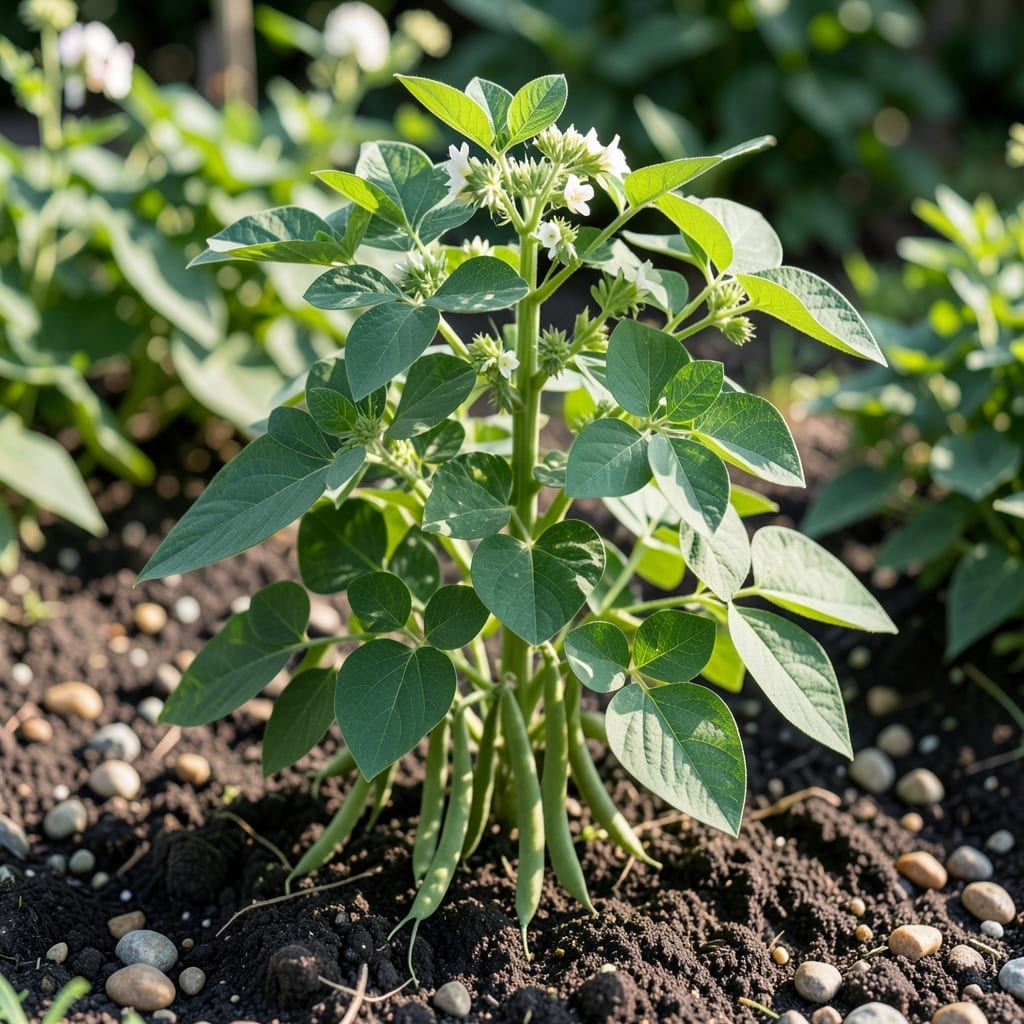
Jacked up bean refers to a condition where bean plants exhibit stunted growth, curled leaves, and distorted pods, often caused by viral infections, nutrient deficiencies, or herbicide damage.
I’ve seen this issue firsthand—plants that should be thriving instead look weak and misshapen, often due to environmental stressors or poor soil health. Early detection is crucial, as the problem can spread quickly through a garden. The most common culprits include mosaic viruses or overuse of nitrogen-based fertilizers. 🌱
💡 In This Article
Leaf curling is often the first visible sign, typically starting at the edges before progressing inward. This happens because viral infections like Bean Common Mosaic Virus disrupt cellular growth patterns, causing uneven expansion. You might also notice a mottled yellow-green pattern on the leaves, which is a classic symptom of mosaic virus damage. 🔥
The stunting effect becomes evident when comparing affected plants to healthy ones. A normal bush bean might reach 18-24 inches tall, while a “jacked up” plant may struggle to grow beyond 6-12 inches. The internodes (spaces between leaves) appear compressed, giving the plant a bushy yet dwarfed appearance.
This growth retardation often results from nutrient imbalances, particularly nitrogen excess or phosphorus deficiency.
Pod malformation is particularly telling. Healthy bean pods should be straight and uniform, but affected ones may show twisting, swelling at the base, or a hooked shape. In severe cases, the pods might fail to develop entirely, remaining small and hard.
This distortion occurs because the plant’s vascular system can’t properly distribute nutrients to developing fruits. ✨
Don’t overlook the stems—they often develop a brittle, almost woody texture. This is especially common with herbicide damage, where growth regulators in the chemical disrupt normal cell elongation. The stems may also exhibit dark streaks or lesions, particularly with fungal infections that accompany the primary condition.
Early morning is the best time to inspect for these symptoms, as dew makes subtle color changes and textures more visible. Compare suspect plants against healthy ones of the same variety, as some bean types naturally have slightly curled leaves or compact growth habits. 🌟
Start by checking for leaf curling at the edges, which often appears before other symptoms. You may also notice yellow-green mottling on the leaves, especially in the morning when dew makes patterns more visible.
Viral infections often cause stunted growth with compressed internodes, while nutrient problems typically show as uniform yellowing or purpling of leaves. Test your soil for pH between 6.0-7.0 to rule out deficiencies.
Unfortunately, once plants show severe symptoms, removal is the best option to prevent spread. Destroy (don’t compost) affected plants and sanitize tools with a 10% bleach solution to protect healthy ones.
Plant resistant varieties like Provider or Blue Lake and rotate crops every 3 years. Always use certified disease-free seeds from trusted suppliers to reduce risk.