
Beautiful Plants For Your Interior
Beautiful Plants For Your Interior
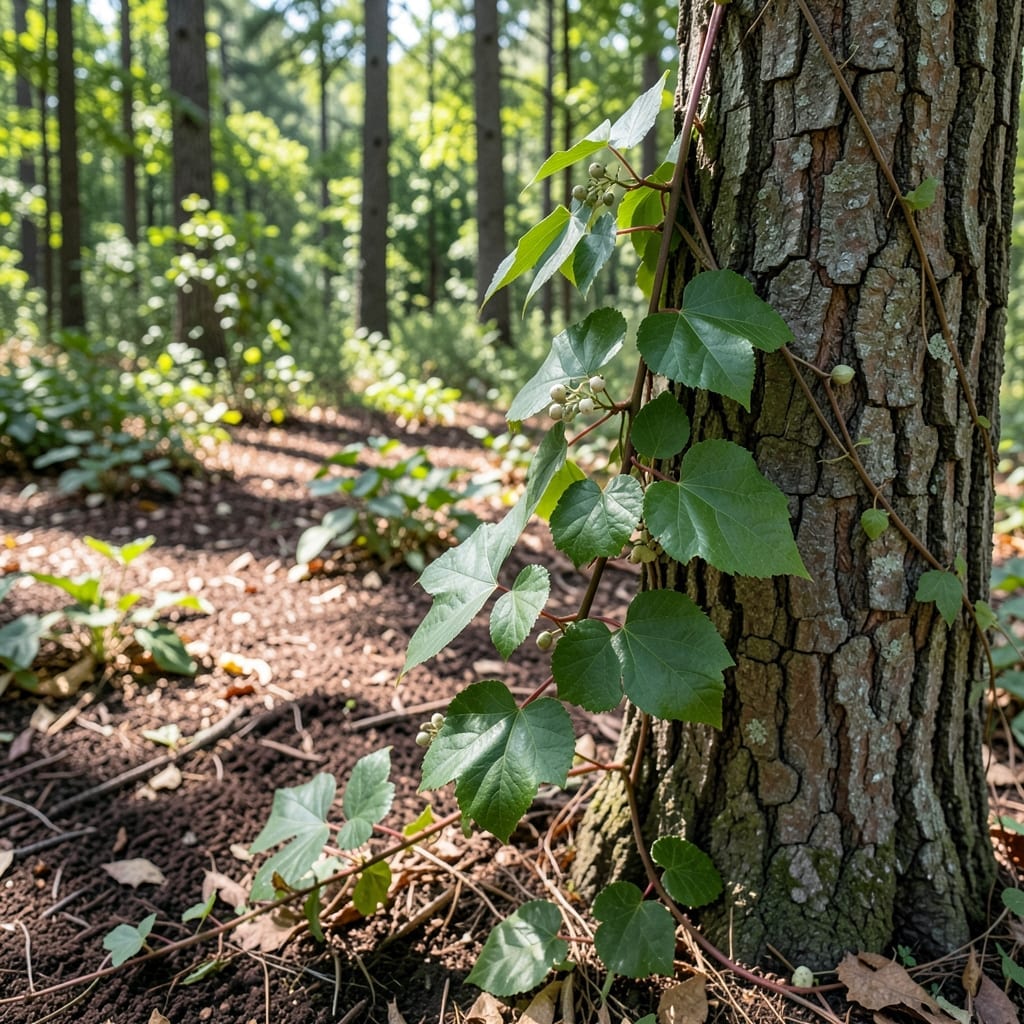
That three-leaf pattern in your garden might be trouble. I learned the hard way—after an itchy weekend—that poison ivy blends in too well with harmless lookalikes.
Natural relief starts with proper identification. The “leaves of three, let it be” rule saved me from multiple rashes, but there’s more to it than that simple rhyme.
Once spotted, removal requires care. Gloves, long sleeves, and immediate washing became my non-negotiables after one particularly miserable experience with a hidden patch.
Better yet, swap it for non-toxic alternatives. Virginia creeper or Boston ivy give that lush look without the itchy consequences we all want to avoid.
The itchy rash from poison ivy is an allergic reaction triggered by urushiol, the oily resin found in the plant’s leaves, stems, and roots. When this oil touches your skin, it binds to proteins, prompting your immune system to overreact. Here’s why it happens:
Direct contact with any part of the poison ivy plant releases urushiol, which penetrates the skin within minutes. Even indirect contact—like touching contaminated clothing, pet fur, or gardening tools—can spread the oil and cause a reaction.
Your body mistakes urushiol as a threat, triggering an immune response. White blood cells release histamine and other chemicals, leading to inflammation, redness, and intense itching. This allergic contact dermatitis typically appears 12–48 hours after exposure.
First-time exposure may not cause a reaction, but repeated contact sensitizes your immune system. Over time, even small amounts of urushiol can provoke a stronger, faster response. The severity varies by individual—some develop mild rashes, while others experience blistering.
Washing the skin immediately after contact can remove urushiol and reduce symptoms. Avoid scratching, as it can spread the oil and worsen irritation.
Poison ivy rashes can be a real nuisance, but Ivy Dry is a trusted solution to soothe the itch and discomfort. Here’s how to tackle the problem based on common causes and fixes, along with prevention tips to keep the rash at bay.
Fix: Wash the affected area immediately with soap and cool water to remove the oil. Apply Ivy Dry as directed to dry out the rash and relieve itching. For severe cases, use over-the-counter hydrocortisone cream or antihistamines.
Prevention Tip: 💡 Wear long sleeves and gloves when gardening or hiking in areas where poison ivy grows. Learn to recognize the plant (remember: “Leaves of three, let it be!”).
Fix: If the rash appears hours or days later, cleanse the skin again and apply Ivy Dry to dry the blisters and reduce itching. Cold compresses can also help ease swelling.
Prevention Tip: 🌡️ Shower and change clothes immediately after potential exposure, even if you don’t see a rash yet. Urushiol oil can linger on fabrics and tools.
Fix: Trim your nails short and use Ivy Dry to speed up healing. Cover the rash with a bandage if needed to prevent further irritation.
Prevention Tip: ✨ Keep your hands busy with a stress ball or fidget toy to resist the urge to scratch. Oatmeal baths can also soothe the skin.
For persistent or widespread rashes, consult a doctor. Ivy Dry works best when combined with these steps to tackle poison ivy head-on!
You’ll typically feel relief within 1-2 hours of application. The drying effect helps reduce oozing and itching almost immediately.
Yes, but gently pat the area dry first. Apply a thin layer to help dry the blisters and speed healing. Avoid scrubbing.
Reapply 2-3 times daily or as needed for itch relief. Always wash hands after application to prevent spreading.
Consult a pediatrician first. For kids over 2 years, use as directed but avoid large areas. Test on a small patch first.