
Beautiful Plants For Your Interior
Beautiful Plants For Your Interior
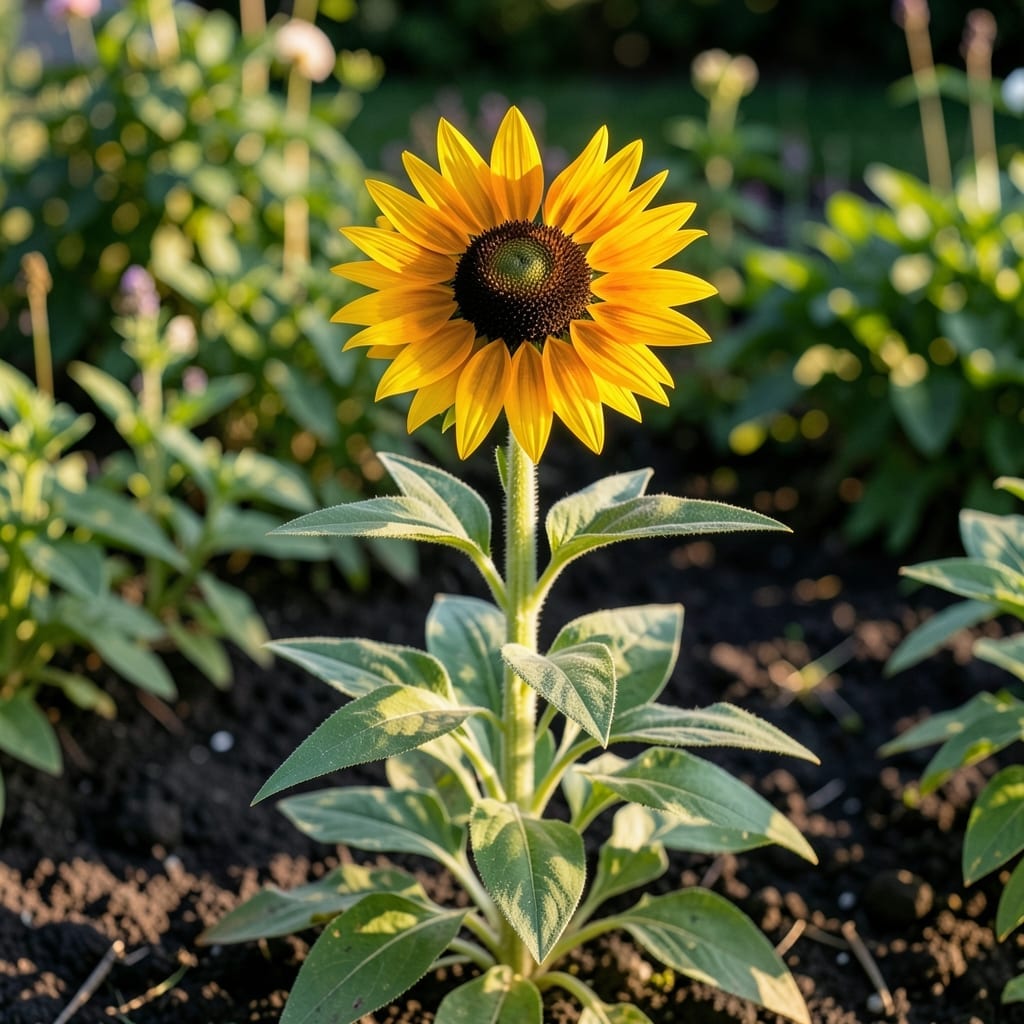
Yes, black-eyed Susan is a common name for several Rudbeckia species, particularly Rudbeckia hirta. All black-eyed Susans are rudbeckias, but not all rudbeckias are called black-eyed Susans.
I love how plant names can tell a story—here, the Rudbeckia genus includes the classic black-eyed Susan we know and love. Gardeners often use the terms interchangeably, but technically there are dozens of Rudbeckia varieties with distinct traits. For example, Rudbeckia laciniata grows taller with green centers, while hirta stays compact with its iconic dark eye. 🌟
💡 In This Article
The Rudbeckia genus belongs to the Asteraceae family, which includes daisies and sunflowers. Within this group, Rudbeckia hirta is the most commonly recognized as black-eyed Susan. This species features bright yellow petals with a dark brown or black central cone, giving it that iconic look. 🌟
Regional variations in common names can be confusing. In some areas, Rudbeckia triloba is also called black-eyed Susan, though it has more petals and a bushier growth habit. Meanwhile, Rudbeckia laciniata is often called cutleaf coneflower, despite being in the same genus. These naming differences reflect local gardening traditions rather than strict botanical rules.
Taxonomically, all black-eyed Susans fall under Rudbeckia, but the genus contains about 20-25 species with diverse appearances. Some, like Rudbeckia fulgida, have orange or gold tones, while others, like Rudbeckia maxima, grow up to 7 feet tall with striking black cones. This diversity explains why not every Rudbeckia is called a black-eyed Susan.
The key is understanding that black-eyed Susan is a subset of Rudbeckia. Think of it like squares and rectangles: all black-eyed Susans are Rudbeckias, but Rudbeckias can have many other forms and names. This classification helps gardeners choose the right plant for their landscape needs. 🔥
For practical purposes, if you’re planting what’s labeled as black-eyed Susan, you’re almost certainly getting Rudbeckia hirta. However, if you see other Rudbeckia species at the nursery, they might offer different colors, heights, or blooming periods—all while sharing the same resilient, drought-tolerant nature.
No, the name applies to several species within the Rudbeckia genus. Rudbeckia hirta is the most common, but Rudbeckia triloba and others may also be sold as black-eyed Susan in some regions.
Look for the characteristic dark central cone surrounded by bright petals. Most Rudbeckias have yellow, orange, or gold petals with a prominent brown or black center, unlike other daisies with flat, uniform centers.
Rudbeckia hirta is the simplest to grow. It tolerates poor soil, drought, and self-seeds easily, making it perfect for low-maintenance gardens. Plant in full sun for best results.
Yes! Their open, cone-shaped centers provide easy access for bees and butterflies. Rudbeckia fulgida is especially popular with pollinators due to its long bloom season from summer to frost.