
Beautiful Plants For Your Interior
Beautiful Plants For Your Interior
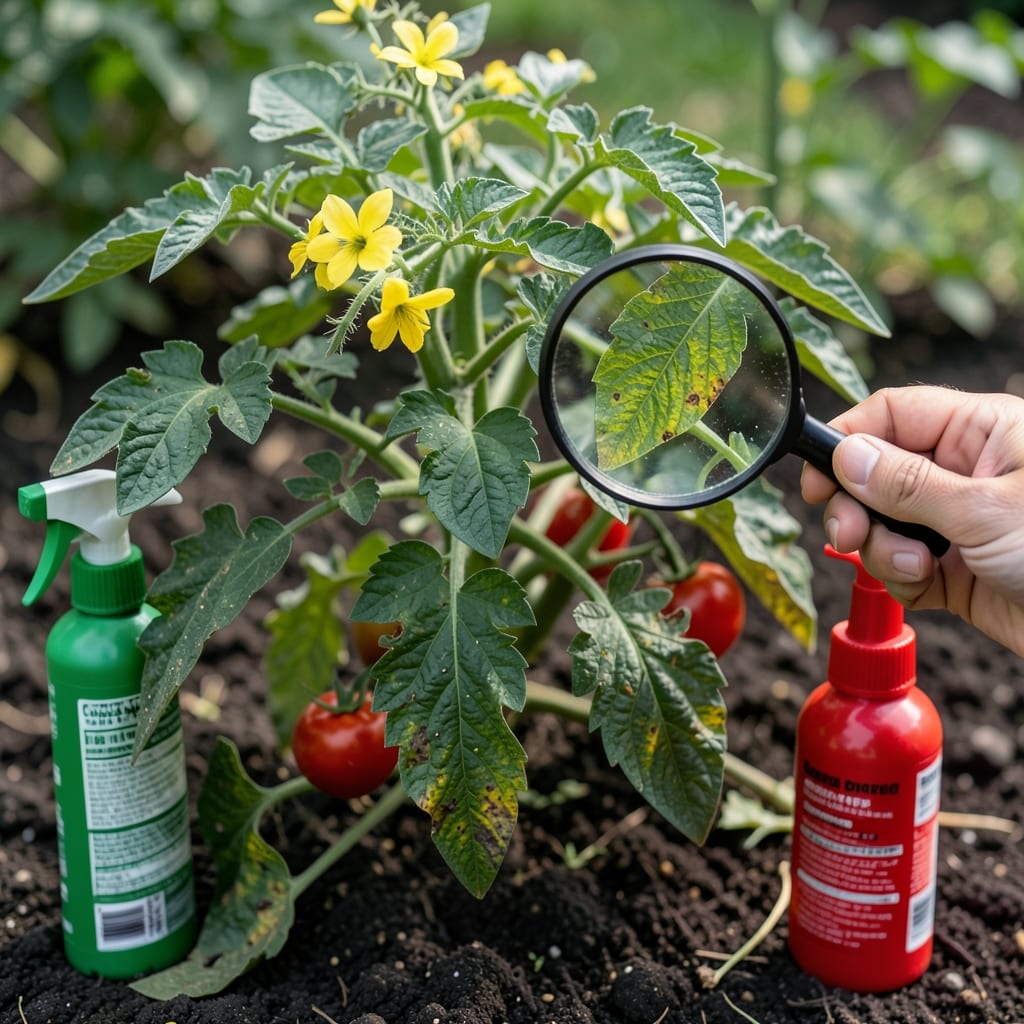
Yes, fungicides are a type of pesticide specifically designed to control or kill fungal diseases in plants, falling under the broader pesticide category regulated by agencies like the EPA.
I think of fungicides as the specialized branch of pest control that targets molds, mildews, and rusts. 🌟 They work differently from insecticides, which handle bugs, or herbicides, which tackle weeds. In my experience, understanding this distinction helps gardeners choose the right product for their specific plant problems.
Regulatory bodies classify them this way because they share the same safety and environmental considerations as other pesticides. ✨
💡 In This Article
The EPA classifies pesticides by their target organism, with fungicides specifically formulated to combat fungal pathogens. This system groups all pest-control agents under one regulatory framework, ensuring consistent safety and environmental standards across categories like insecticides, herbicides, and fungicides.
Fungicides work by disrupting fungal cell membranes or inhibiting spore germination, unlike insecticides that target nervous systems. The active ingredients in fungicides often include copper compounds, sulfur, or synthetic chemicals like triazoles, each designed to interfere with specific fungal life processes.
Regulatory definitions explicitly include fungicides as pesticides because they share the same purpose: controlling organisms that damage crops. The Federal Insecticide, Fungicide, and Rodenticide Act (FIFRA) treats all these substances equally, requiring the same registration, testing, and labeling procedures.
This classification matters for gardeners because it means fungicides undergo the same rigorous safety evaluations as other pesticides. Whether you’re using a copper-based spray for tomato blight or a systemic fungicide for powdery mildew, you’re using a product that’s been vetted under pesticide regulations.
The broader pesticide category exists precisely because these substances all serve the same fundamental purpose—protecting plants from harmful organisms—even if their methods and targets differ. This unified approach ensures that whether you’re battling aphids or anthracnose, the products you use meet the same high safety standards. ⚡
Fungicides specifically target fungal pathogens like molds and mildews. Unlike insecticides for bugs or herbicides for weeds, they disrupt fungal cell structures or spore growth.
The EPA groups them together because they share the same purpose: protecting plants from harmful organisms. All undergo identical safety and environmental testing under FIFRA.
No, fungicides won’t work on insects. Their active ingredients are formulated for fungal organisms only. For bugs, you’ll need an insecticide with different active compounds.
Check the label, but most require applications every 7-14 days as prevention. Always apply before disease appears for best results.