
Beautiful Plants For Your Interior
Beautiful Plants For Your Interior
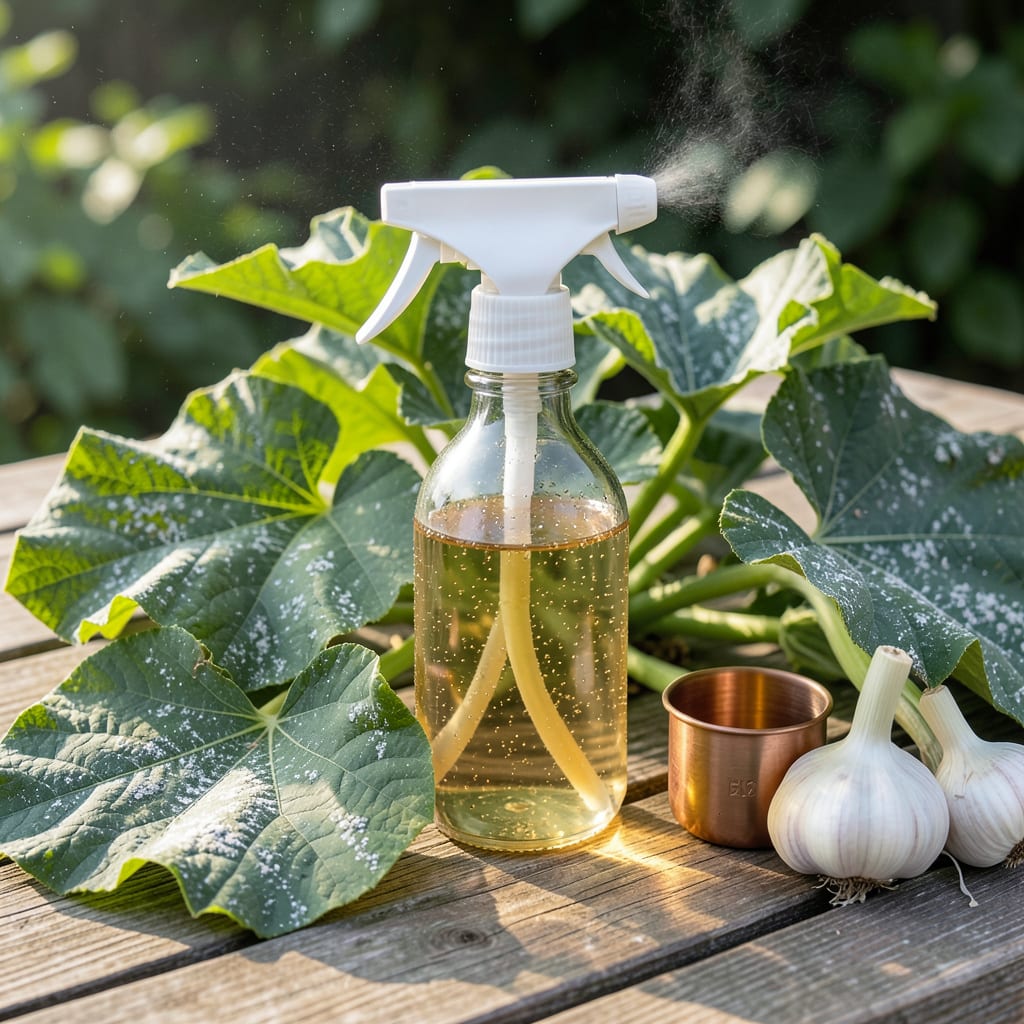
Powdery mildew on squash looks like someone dusted your plants with flour. I’ve lost entire crops to this fungus before learning how to stop it cold.
The key is catching it early—that white powder on leaves isn’t just unsightly, it’s stealing your plant’s energy. Organic sprays like neem oil or baking soda solutions work wonders if applied at the first sign.
Within 48 hours of treatment, you’ll see the spread slow, and your squash plants start to recover. Prevention is simpler than cure, so I now spray weekly during humid weather.
Works for zucchini, pumpkins, and all squash varieties. This method saved my garden last season.
Powdery mildew on squash is a common fungal disease caused by Podosphaera xanthii or Erysiphe cichoracearum. This pest thrives under specific conditions, often leaving gardeners frustrated. Below are the primary causes, explained scientifically yet simply.
Powdery mildew spores germinate best in humid environments (60-80%) with temperatures between 60-80°F (15-27°C). Unlike many fungi, it doesn’t require free water—just moisture in the air. Squash plants with dense canopies trap humidity, creating the perfect breeding ground.
Stagnant air allows spores to settle and infect leaves. Overcrowded plants or lack of pruning reduce airflow, accelerating spore spread. Ensuring 18-24 inches of spacing between squash plants can significantly lower risk.
Some squash cultivars (e.g., zucchini, cucumbers) are genetically more vulnerable. Older leaves or stressed plants (due to drought or nutrient deficiencies) are also more prone to infection.
While powdery mildew doesn’t need wet leaves to thrive, evening watering or overhead irrigation can prolong leaf wetness, indirectly aiding spore survival. Drip irrigation is a better alternative.
Understanding these triggers helps you prevent outbreaks before they start.
Powdery mildew on squash can be tackled with targeted solutions. Here’s how to address the issue based on its root causes:
Prune dense foliage to allow airflow between plants. Space squash plants at least 3 feet apart to reduce humidity buildup. Use a small fan in greenhouses or enclosed spaces to keep air moving.
Water at the base of the plant using a soaker hose or drip irrigation to keep leaves dry. Avoid watering in the evening, as damp foliage overnight encourages fungal growth. Pro tip: 💡 Water early in the morning so leaves dry quickly in the sun.
Apply a balanced, organic fertilizer to strengthen squash plants. Weak plants are more susceptible to disease. Focus on potassium and phosphorus to improve resistance. Avoid over-fertilizing with nitrogen, which promotes leafy growth at the expense of disease resistance.
For immediate action, use an organic fungicide like neem oil, baking soda solution (1 tbsp baking soda + 1 tsp dish soap + 1 gallon water), or sulfur-based sprays. Apply in the early morning or late evening to avoid leaf burn. Reapply every 7–10 days or after rain.
Reapply every 7-10 days or after rain. Consistency is key to stopping new spores from taking hold. Early morning or evening applications work best to prevent leaf burn.
Yes! A baking soda solution (1 tbsp baking soda + 1 tsp dish soap + 1 gallon water) is highly effective. Mix fresh before each use for best results.
Spores can survive in soil or on plant debris. Always remove infected leaves and avoid composting them. Improve airflow and consider resistant squash varieties.
when used correctly. Apply in the evening so it dries before bees visit. Stop use 1 week before harvest to ensure food safety.
