
Beautiful Plants For Your Interior
Beautiful Plants For Your Interior
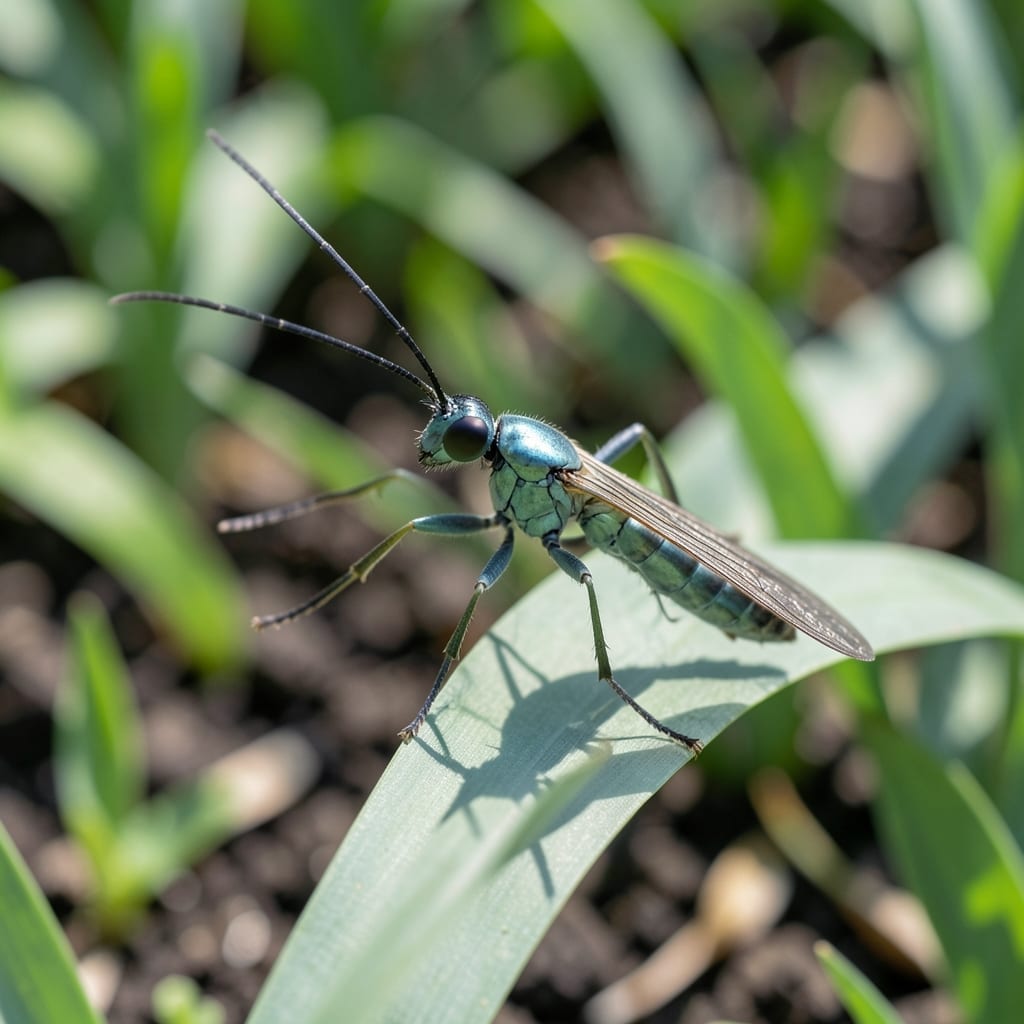
I lost half my iris bed to borers last summer. The damage starts unseen—mottled leaves, then wilting stems—until the plants just collapse from the inside out.
Here’s the thing—iris borers thrive in messy gardens. Old foliage left standing over winter gives eggs a perfect hiding spot. Cleanup in fall is your first line of defense, but timing matters just as much as the method.
By spring, you’ll spot the difference immediately: healthy irises with crisp green leaves and no chewed edges. The organic approach works, but you need to stay ahead of the lifecycle.
Works for all iris varieties, from bearded to Siberian. Let’s save your plants this season.
The iris borer (Macronoctua onusta) is a persistent garden pest that targets irises, but its presence isn’t random. Understanding why it happens is the first step to prevention and control. Below are the primary causes of infestations, rooted in the pest’s biology and environmental triggers.
Female iris borer moths lay eggs on dead iris foliage or nearby plant debris in late summer or fall. These eggs overwinter and hatch in early spring, just as new iris growth emerges. If old foliage or garden waste isn’t removed, it creates a perfect breeding ground for the next generation of borers. Actionable tip: Always clean up iris beds in fall and dispose of debris far from your garden.
Thick, healthy iris foliage provides shelter and food for iris borer larvae. The moths are drawn to vigorous, well-fertilized irises because the tender new growth is easier for larvae to penetrate. While you can’t stop your irises from growing, you can thin out crowded clumps in early spring to reduce hiding spots for eggs and young larvae.
Iris borers thrive in warm (60–75°F) and moist conditions, which accelerate egg hatching and larval development. Early spring rains or excessive irrigation can create the ideal environment for infestations. To counter this, avoid overwatering irises in spring and ensure good drainage to discourage larval survival.
In balanced ecosystems, natural predators like ground beetles, birds, or parasitic wasps help keep iris borer populations in check. However, heavy pesticide use or monoculture plantings (e.g., large iris-only beds) can disrupt this balance, allowing borers to proliferate. Encourage biodiversity by planting companion plants (e.g., lavender or yarrow) that attract beneficial insects.
Once you’ve spotted iris borer damage, act fast to save your plants and prevent future infestations. Here’s how to tackle the most common issues:
This is often the first sign of iris borer larvae feeding inside the rhizomes. Fix: Carefully dig up affected rhizomes and inspect them. If you find soft, watery spots or tunnels, discard the infected parts in a sealed bag—do not compost. Treat the remaining healthy rhizomes with neem oil or an organic insecticide labeled for borers. Replant in fresh, well-draining soil.
Prevention: 💡 Divide iris clumps every 3–4 years to reduce overcrowding, which attracts borers.
Adult moths lay eggs on old foliage, leading to holes as larvae hatch and bore in. Fix: Trim off damaged leaves and buds immediately to remove eggs or young larvae. Apply Bacillus thuringiensis (Bt) spray, a natural bacteria that kills caterpillars without harming beneficial insects. Reapply after rain.
Prevention: 🎯 Cut back iris foliage to 3–4 inches in late fall or early spring to eliminate egg-laying sites.
Severe borer damage weakens irises, stunting growth. Fix: Dig up the rhizome and check for internal tunnels. If the damage is extensive, remove and destroy the rhizome. For milder cases, soak the rhizome in a 10% hydrogen peroxide solution for 10 minutes to disinfect before replanting.
Prevention: ✨ Keep your garden clean—remove dead leaves and debris where adult moths hide.
Consistency is key! Combining these fixes with preventive care will keep your irises thriving and borer-free.
Early spring and late fall are critical. Apply treatments when new growth appears in spring or after cutting back foliage in fall.
No. Severely damaged rhizomes with extensive tunneling should be removed and destroyed to prevent spread. Healthy portions can be treated and replanted.
Yes! Neem oil and Bt (Bacillus thuringiensis) are highly effective organic treatments. Apply Bt every 1-2 weeks during active growth.
Check for yellowing leaves, wilting, or holes in foliage. Overcrowded beds and poor fall cleanup increase vulnerability.