
Beautiful Plants For Your Interior
Beautiful Plants For Your Interior
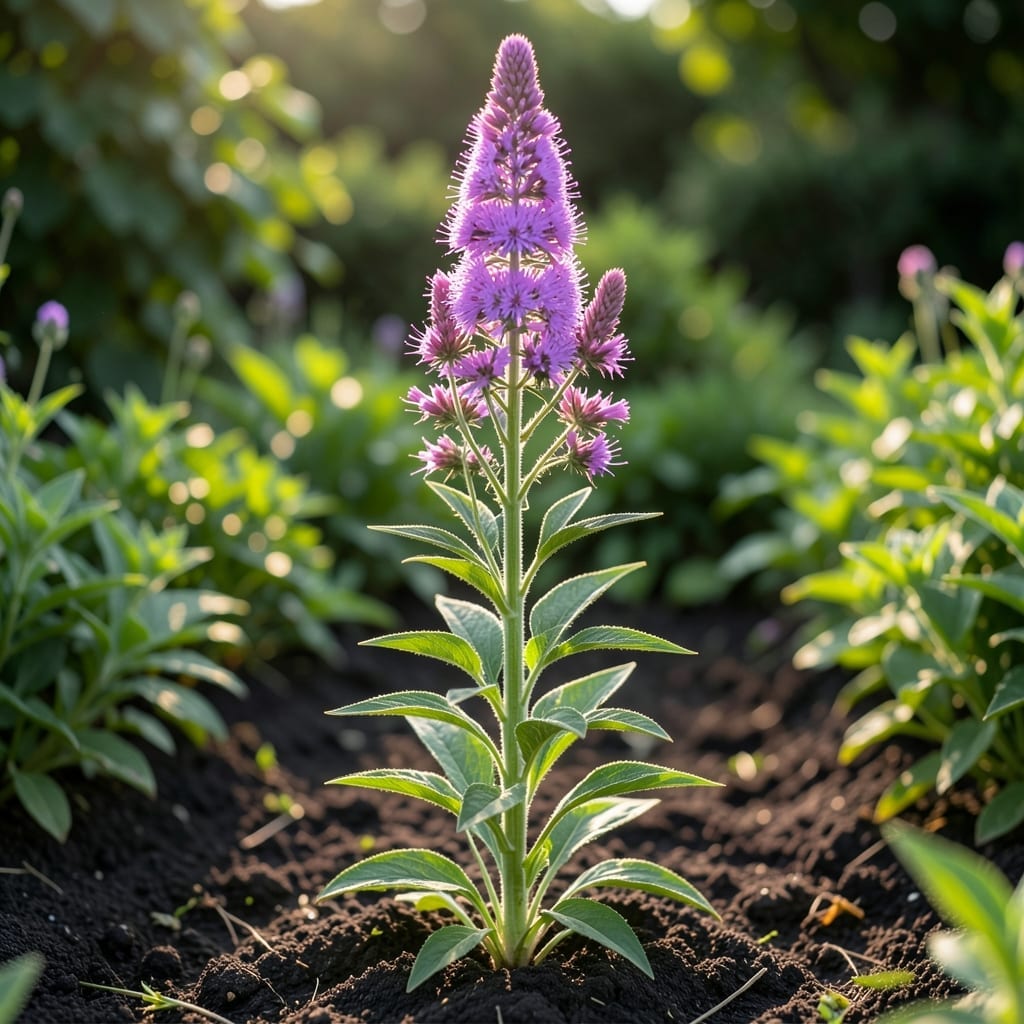
Those purple flowers popping up everywhere aren’t just pretty—they’re often trouble. I learned the hard way that some of the most aggressive invaders wear purple like a disguise, choking out the plants you actually want.
The good news is these weeds follow patterns. Once you recognize their leaves, growth habits, and that telltale purple bloom, you’ll spot them at 50 feet before they take over. Early identification means easier removal.
Eco-friendly control starts with pulling before they seed, then smothering the area with cardboard and mulch. It’s foolproof if you stay consistent. No harsh chemicals, just persistence.
Prevention is simpler than removal. A thick layer of mulch and healthy plant competition will keep these purple pests from gaining a foothold in the first place.
Invasive weeds with purple blooms often thrive due to a mix of ecological and human-driven factors. Understanding their causes helps you tackle them more effectively.
Non-native plants, like Lythrum salicaria (purple loosestrife), often outcompete local flora because they lack natural predators. When ecosystems are altered—by construction, deforestation, or climate shifts—these weeds fill the gaps, spreading rapidly in disturbed soils.
Accidental transport is a major culprit. Seeds hitch rides on gardening tools, vehicle tires, or even pet fur. Some invasive purple weeds, such as Centaurea stoebe (spotted knapweed), were introduced as ornamental plants before escaping cultivation. Poor land management, like overgrazing or improper mowing, also creates ideal conditions for their growth.
Many purple-flowered invaders thrive in wet or nutrient-rich soils. For example, Eichhornia crassipes (water hyacinth) clogs waterways because it flourishes in nitrogen-heavy runoff from agricultural areas. Droughts or floods can further stress native plants, giving weeds a competitive edge.
Tackling invasive weeds with purple flowers starts with targeted solutions for each cause. Here’s how to reclaim your garden while keeping it eco-friendly:
Pull small infestations by hand, ensuring you remove the entire root system. Use a weeding tool for deeper roots. Best time: Early morning or after rain when soil is soft. Dispose of weeds in sealed bags—never compost them, as seeds can survive.
For dense patches, layer thick cardboard or landscape fabric topped with mulch. This blocks sunlight, starving weeds over 4–6 weeks. Check edges regularly to prevent regrowth.
Spray a mix of vinegar, salt, and dish soap (1:1:1 ratio) directly on leaves—avoid nearby plants. Reapply every 5–7 days until weeds die. For persistent species, use corn gluten meal as a pre-emergent in spring.
Install low fences or edging to deter animals from carrying seeds. Keep bird feeders away from garden beds, and opt for native plants that discourage invasive growth.
Consistency is key! Combine methods for best results, and always prioritize natural solutions to protect pollinators and soil health.
Look for clustered purple blooms with distinct leaf shapes, often growing in dense patches. Check for rapid spread or unusual growth patterns compared to your other plants.
They regrow from remaining roots or seeds left in the soil. Consistent removal over 2-3 years is often needed to fully eradicate them. Mulching helps suppress new growth.
Vinegar-based sprays can harm nearby plants if oversprayed. Apply carefully on windless days, and use a shield to protect desirable plants.
Yes, but only after removing all roots and seeds. Wait 4-6 weeks of smothering to ensure they’re gone before planting new species.