
Beautiful Plants For Your Interior
Beautiful Plants For Your Interior
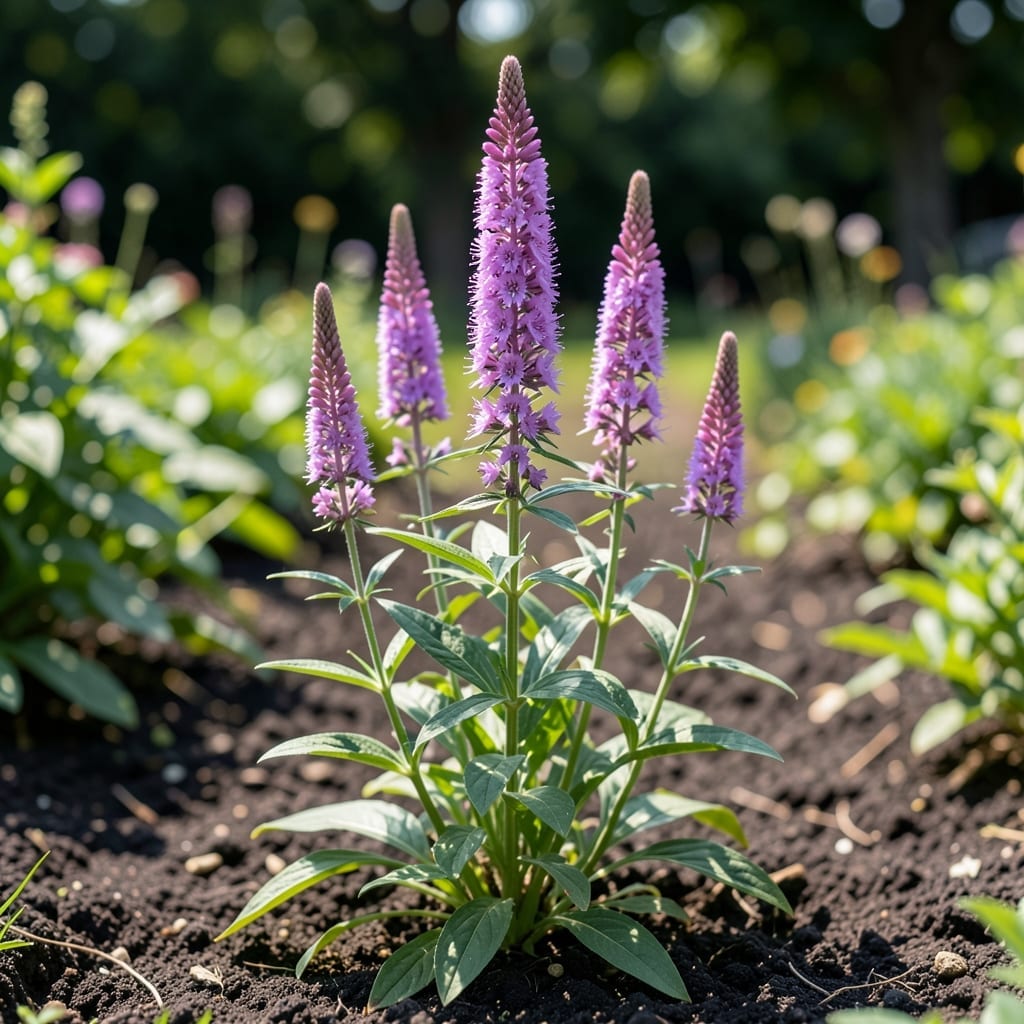
That purple vine spreading across your fence probably isn’t a gift from nature. 🌿 I’ve battled invasive vines with pretty flowers that choke out everything else in their path, and the key is catching them early before they take over.
Morning glory, wisteria, and purple loosestrife look innocent but can strangle trees, smother native plants, and disrupt local ecosystems. Their aggressive growth means they’ll spread 10+ feet in a single season if left unchecked.
Removal takes persistence—you’ll need to pull roots, cut vines, and monitor for regrowth. A foolproof approach involves consistent effort and proper disposal to prevent reseeding.
Identify the culprit, then act before it transforms your garden into a purple prison. Here’s how to reclaim your space.
The rapid expansion of this aggressive climber is driven by several biological and ecological factors. Below are the primary causes behind its invasive behavior, explained in clear, actionable terms.
This vine produces a high volume of seeds—often hundreds per plant—each capable of remaining viable in the soil for years. Birds and small mammals disperse these seeds after consuming the berries, accelerating its spread into new areas. Even a single overlooked plant can repopulate a cleared patch within a season.
Its extensive, deep root network allows the vine to outcompete native plants for water and nutrients. These roots can sprout new shoots from even small fragments left in the soil during removal attempts, making eradication difficult without thorough extraction.
The plant thrives in disturbed habitats, such as roadsides, construction sites, or overgrazed pastures. Human activities like land clearing or soil disruption create ideal conditions for its colonization, as it quickly capitalizes on bare or unstable ground.
In its non-native range, this vine often faces no natural herbivores or diseases to control its growth. Without these ecological checks, it grows unchecked, smothering native vegetation and altering local ecosystems.
Dealing with an invasive vine with purple flowers can feel overwhelming, but the right approach makes all the difference. Below are targeted solutions for common issues, along with prevention tips to keep your garden or landscape vine-free.
If the vine is still young and hasn’t spread widely, manual removal is your best bet. Grasp the base of the vine (use gloves to protect your hands) and pull firmly, ensuring you remove the roots. If the soil is dry or compacted, water the area first to loosen the ground. Pro tip 💡: Check for leftover root fragments—these can regrow!
For mature vines, smothering works well. Cover the area with thick cardboard or landscape fabric, then add a 3-4 inch layer of mulch to block sunlight. Without light, the vine will die over time. Alternatively, cut the vine at its base and apply a small amount of herbicide to the stump to prevent regrowth. Pro tip 🎯: Avoid composting pulled vines—they may reseed!
When the vine has taken over a large area, a selective herbicide (like glyphosate) can be effective. Apply it directly to the leaves or cut stems, following the product instructions carefully. Pro tip ✨: Treat on a dry, wind-free day to avoid drift to other plants.
Stop the problem before it starts:
Look for rapid growth, heart-shaped or lobed leaves, and clusters of purple flowers. Common varieties include morning glory and wisteria. Check for twining stems that wrap around fences or trees aggressively.
Only if it’s young. For mature vines, you must remove all root fragments, as even small pieces left in soil can regrow. Use a garden fork to dig deep and extract the entire root system.
No, unless you’re certain they contain no seeds or root fragments. Many invasive vines can reseed or regrow from compost. Instead, bag them for yard waste pickup or burn them if local laws permit.
Smothering with cardboard and mulch blocks sunlight without chemicals. For large areas, use vinegar-based herbicides or manual removal. Always prioritize methods that won’t harm native plants.