
Beautiful Plants For Your Interior
Beautiful Plants For Your Interior
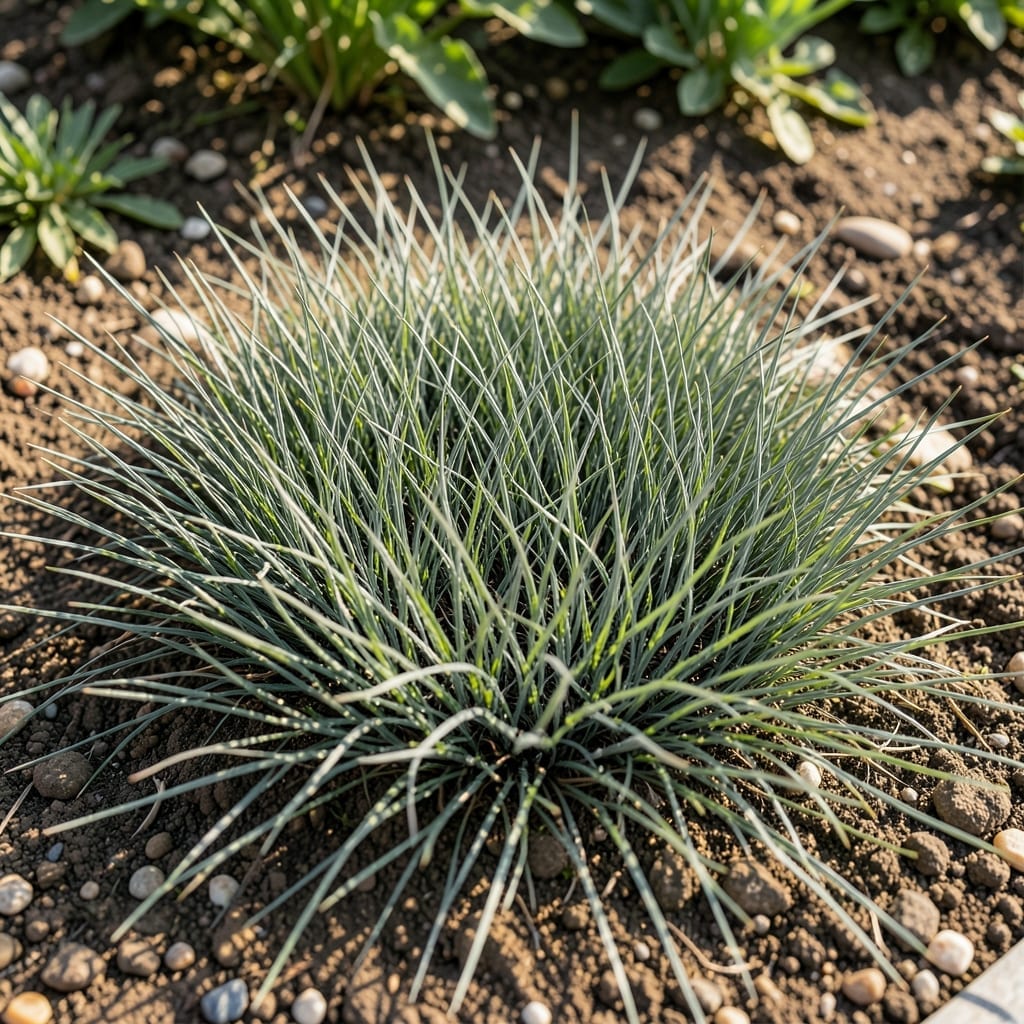
That stubborn patch of Bermuda grass isn’t just a nuisance—it’s a lawn takeover waiting to happen. I’ve battled this invader in my own yard, and the key is catching it early before it spreads its creeping stolons everywhere.
Non-toxic removal means no harsh chemicals, just persistence and the right techniques. Smothering, digging, and consistent mowing can starve it out without harming your soil or other plants.
Within 4-6 weeks of dedicated effort, you’ll see the grass weakening while your desired plants start reclaiming space. The result is a healthier lawn that stays that way.
Works for small patches or full-yard infestations. Here’s how to evict this unwelcome guest for good.
Invasive Bermuda grass thrives due to a mix of biological and environmental factors. Understanding these causes helps you tackle the problem at its root.
Bermuda grass spreads rapidly through rhizomes (underground stems) and stolons (above-ground runners). These structures produce new shoots and roots at every node, allowing the grass to colonize large areas quickly. Even small fragments left in the soil can regrow, making eradication difficult.
This grass flourishes in warm climates with full sun exposure. It tolerates drought, poor soil, and high foot traffic, outcompeting weaker plants. Sandy or loamy soils with good drainage provide the perfect environment for its aggressive expansion.
Bermuda grass often hitches a ride via contaminated soil, tools, or mowers. Overwatering, over-fertilizing, or mowing too short weakens desirable grass, giving Bermuda an opening. Improper lawn care practices can inadvertently encourage its dominance.
Unlike native grasses, Bermuda grass has few natural pests or diseases to keep it in check. This lack of ecological balance allows it to spread unchecked in non-native regions, crowding out local vegetation.
Tackling invasive Bermuda grass doesn’t have to mean harsh chemicals. Start with smothering—a natural, non-toxic method that works wonders. Cover the affected area with thick layers of cardboard or newspaper, then top with mulch or compost. This blocks sunlight, starving the grass over 4-6 weeks.
For smaller patches, hand-pulling can be effective—but only if you get all the roots. Use a garden fork to loosen the soil first, then pull gently. Pro tip: 💡 Do this after rain when the soil is soft. Repeat as needed, as Bermuda grass regrows from leftover roots.
In hot climates, solarization is a powerful ally. Water the area, then cover it with clear plastic for 4-6 weeks. The sun’s heat will cook the grass and its seeds. This works best in summer when temperatures are high.
Prevent regrowth by planting dense, shade-loving ground covers like clover or creeping thyme. These outcompete Bermuda grass naturally. For lawns, overseed with tall fescue or zoysia, which can crowd it out.
Prevention tips: 🎯
Smothering with cardboard and mulch typically takes 4-6 weeks to fully starve the grass. Ensure the covering is thick and blocks all sunlight for best results.
Vinegar can kill top growth but often leaves roots intact, leading to regrowth. For best results, combine with digging or repeat applications. Avoid using near desirable plants.
Bermuda grass regrows from tiny root fragments left in the soil. Even hand-pulling can miss some, so persistence and thorough removal are key.
Late spring or early summer is ideal, when the grass is actively growing. Solarization works best in hot summer months for maximum heat buildup.