
Beautiful Plants For Your Interior
Beautiful Plants For Your Interior
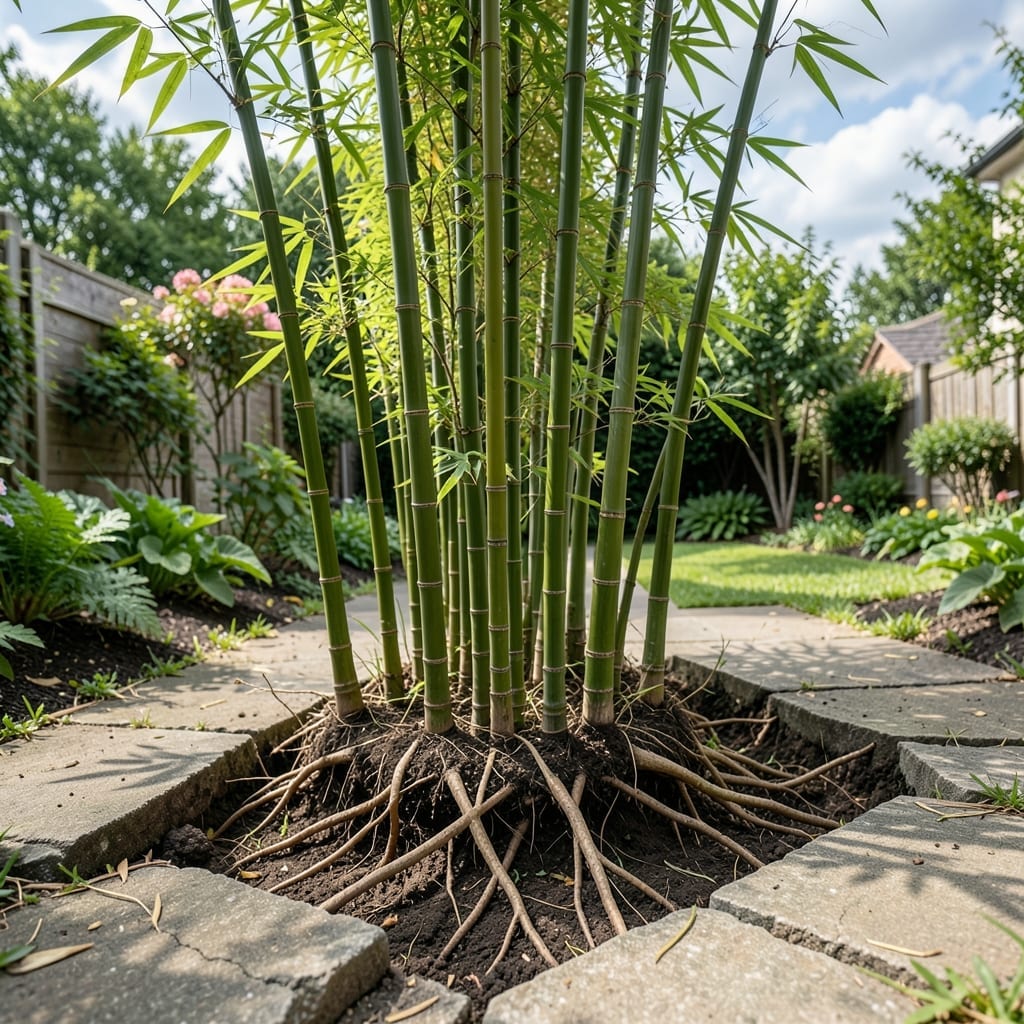
Bamboo spreads faster than you think. I learned this the hard way when shoots popped up 30 feet from where I planted it. Those roots don’t respect property lines.
The problem starts with underground runners that can travel 20 feet in a season. Without barriers, they’ll overtake gardens, patios, and even your neighbor’s yard. I’ve seen it take over entire landscapes.
Removal means digging deep and often. Cutting the tops won’t stop them—those roots just keep growing. Containment is your best defense if you want to keep bamboo without the chaos.
This battle is winnable with the right approach. You just need persistence and a solid plan to keep it in check.
Bamboo’s aggressive spread isn’t random—it’s driven by the plant’s survival instincts and growth habits. Here’s why running bamboo roots become invasive in gardens and landscapes.
Running bamboo varieties (like Phyllostachys or Pseudosasa) grow via long, horizontal underground stems called rhizomes. These rhizomes extend outward at rates of up to 15 feet per year, sending up new shoots (culms) along the way. Unlike clumping bamboo, which stays tight, running types actively seek open space, water, and nutrients, often crossing property lines.
Bamboo roots are opportunistic. In disturbed or nutrient-rich soil, rhizomes proliferate to outcompete other plants for resources. This is especially true in loamy, well-drained soils where roots face little resistance. The plant’s high nitrogen demand can also deplete soil fertility for neighboring vegetation.
Stressors like drought, overwatering, or root damage can trigger bamboo to spread more aggressively as it searches for stability. Even improper pruning (cutting above a node) may stimulate new rhizome growth. Additionally, warm climates (USDA Zones 5–9) accelerate growth, while mild winters fail to kill back tender new shoots.
Many invasions start with poor containment. Planting running bamboo without root barriers (HDPE plastic or metal, buried 2–3 feet deep) or in unconfined garden beds gives roots free rein. Even discarded bamboo in compost or landfills can reroot and spread, as some species regenerate from tiny rhizome fragments.
Dealing with spreading bamboo roots requires a mix of removal and barrier strategies. Below are practical fixes for common issues, along with prevention tips to keep your garden in check.
Fix: Dig a trench around the bamboo patch (at least 18 inches deep) and install HDPE root barriers to contain the rhizomes. For existing spread, cut the roots with a sharp spade and remove all underground runners.
Prevent: Plant bamboo in large containers or raised beds to naturally restrict root growth.
Fix: Sever the roots at the base using a root cutter or saw, then apply a non-selective herbicide (like glyphosate) to the cut stumps to prevent regrowth. Repeat as needed until the roots die back.
Prevent: Maintain a 10-foot buffer zone between bamboo and buildings, driveways, or fences. Use metal edging buried vertically to block lateral spread.
Fix: Mow or trim new shoots as soon as they appear to weaken the plant. For stubborn growth, smother the area with thick cardboard and mulch for 6–12 months to starve the roots.
Prevent: Choose clumping bamboo varieties (like Fargesia) instead of running types if you want a low-maintenance option.
Regularly inspect your garden for early signs of spread—catching rhizomes early makes removal far easier! ✨
Running bamboo rhizomes usually spread 12-18 inches deep but can go deeper in loose soil. They extend horizontally much farther—often 15-20 feet in a single season if unchecked.
Yes, by using root barriers (HDPE or metal) buried 2-3 feet deep. Alternatively, plant in large containers or choose clumping bamboo varieties which stay contained naturally.
Dig a trench around the area and sever all underground runners. For stubborn roots, apply herbicide to cut stumps or smother with cardboard and mulch for 6-12 months.
Inspect weekly during growing season (spring to fall). Early detection makes removal easier—new shoots can grow 1-2 feet in just a few days!