
Beautiful Plants For Your Interior
Beautiful Plants For Your Interior
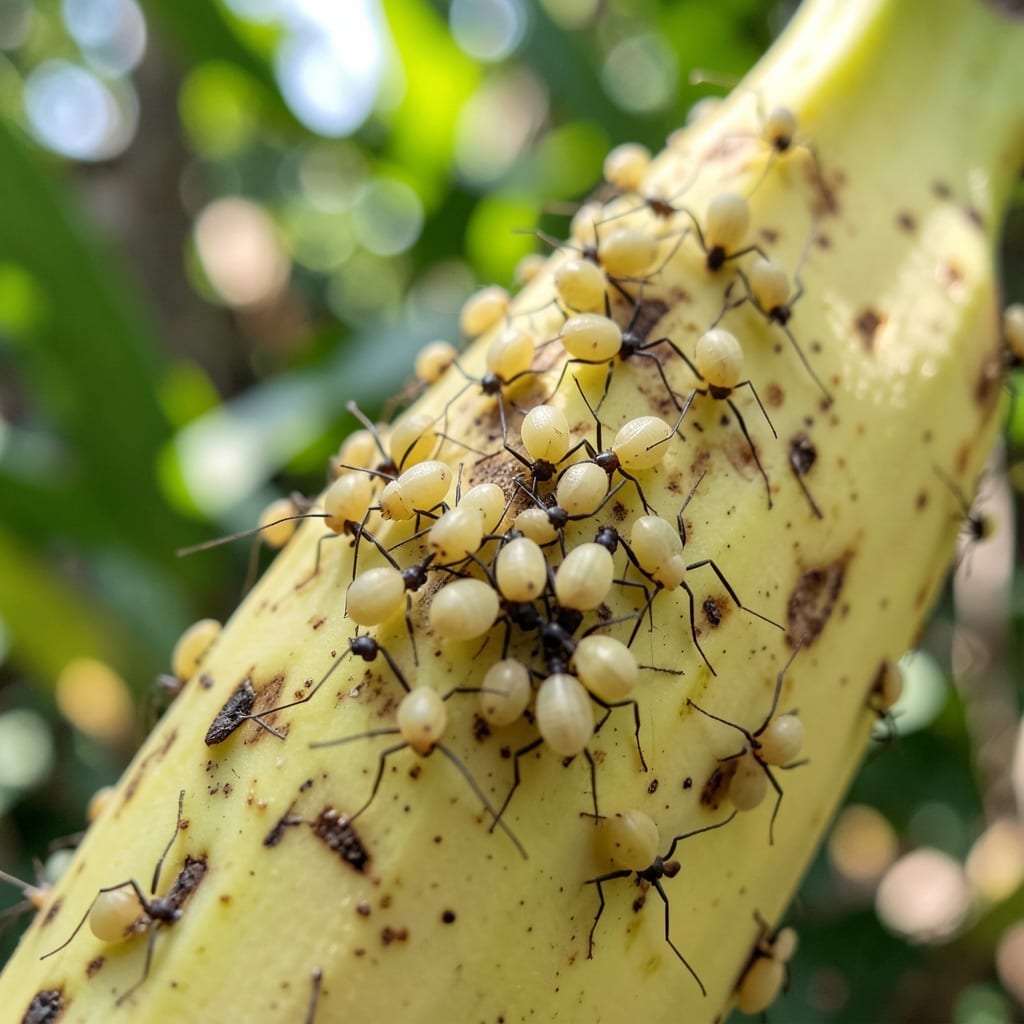
Banana plants attract pests like aphids, mealybugs, and thrips. 🌱 I’ve dealt with these invaders firsthand—they weaken plants, stunt growth, and spread disease if left unchecked.
Early signs include sticky residue, curled leaves, or tiny insects clustering on stems. The solution isn’t complicated: regular inspection and organic treatments like neem oil or insecticidal soap work wonders.
Prevention is even simpler. Keep the area clean, remove dead leaves, and encourage beneficial insects like ladybugs. A little vigilance saves your plants from major damage.
Works for backyard growers or container gardeners. Here’s how to keep your bananas pest-free and thriving.
Insects are often drawn to bananas due to a mix of natural factors. Here’s why it happens:
Bananas contain high levels of fructose, glucose, and sucrose, which emit a sweet aroma as the fruit ripens. This scent attracts fruit flies, ants, and other sugar-loving pests. The softer and riper the banana, the stronger the smell, making it a prime target.
As bananas overripen, they begin to ferment. This process releases ethanol and carbon dioxide, both of which signal to insects that a food source is available. Fermentation also produces a strong, sweet odor that can lure pests from a distance.
Insects seek out bananas not just for sugar but also for other nutrients like potassium, magnesium, and vitamins. Decaying bananas, in particular, offer an easy-to-access meal, as the softened flesh requires minimal effort to consume.
Warm, humid environments accelerate banana ripening and decomposition, increasing the likelihood of attracting insects. Storing bananas in open spaces or near other fruits can also heighten their appeal, as the combined scents create a stronger lure.
Dealing with insects on your bananas doesn’t have to be a hassle. Here’s how to tackle the most common issues and keep your fruit pest-free.
If tiny flies are swarming your bananas, try this: place the bunch in the fridge. The cold slows down ripening and deters flies. For existing infestations, set a vinegar trap—fill a small bowl with apple cider vinegar and a drop of dish soap. The flies will be drawn in and trapped. Prevention tip: 💡 Store bananas away from other fruits to avoid attracting pests.
Ants are often drawn to overripe or damaged bananas. Wipe the peel with a damp cloth and vinegar to remove sugar residues that attract them. Keep bananas in a sealed container or hang them on a hook away from countertops. Prevention tip: 🎯 Inspect bananas for cracks or bruises before storing, as these are entry points for ants.
These pests are less common but can hitch a ride on bananas from the store. Freeze the bananas for 24 hours to kill any eggs or larvae. For immediate use, peel and rinse the fruit under warm water. Prevention tip: ✨ Buy bananas in smaller quantities and consume them quickly to reduce the risk of infestation.
With these simple steps, you can enjoy your bananas without any uninvited guests!
Ripening bananas release sweet aromas from natural sugars, attracting fruit flies and gnats. The fermentation process also produces ethanol and CO2, which signal food availability to pests.
Wipe peels with vinegar to remove sugar residue. Store bananas in a sealed container or hang them away from surfaces. Inspect for cracks or bruises before storing.
Wash the peel thoroughly with warm water and mild soap. For severe infestations, peel and rinse the fruit. Freezing for 24 hours kills hidden pests.