
Beautiful Plants For Your Interior
Beautiful Plants For Your Interior
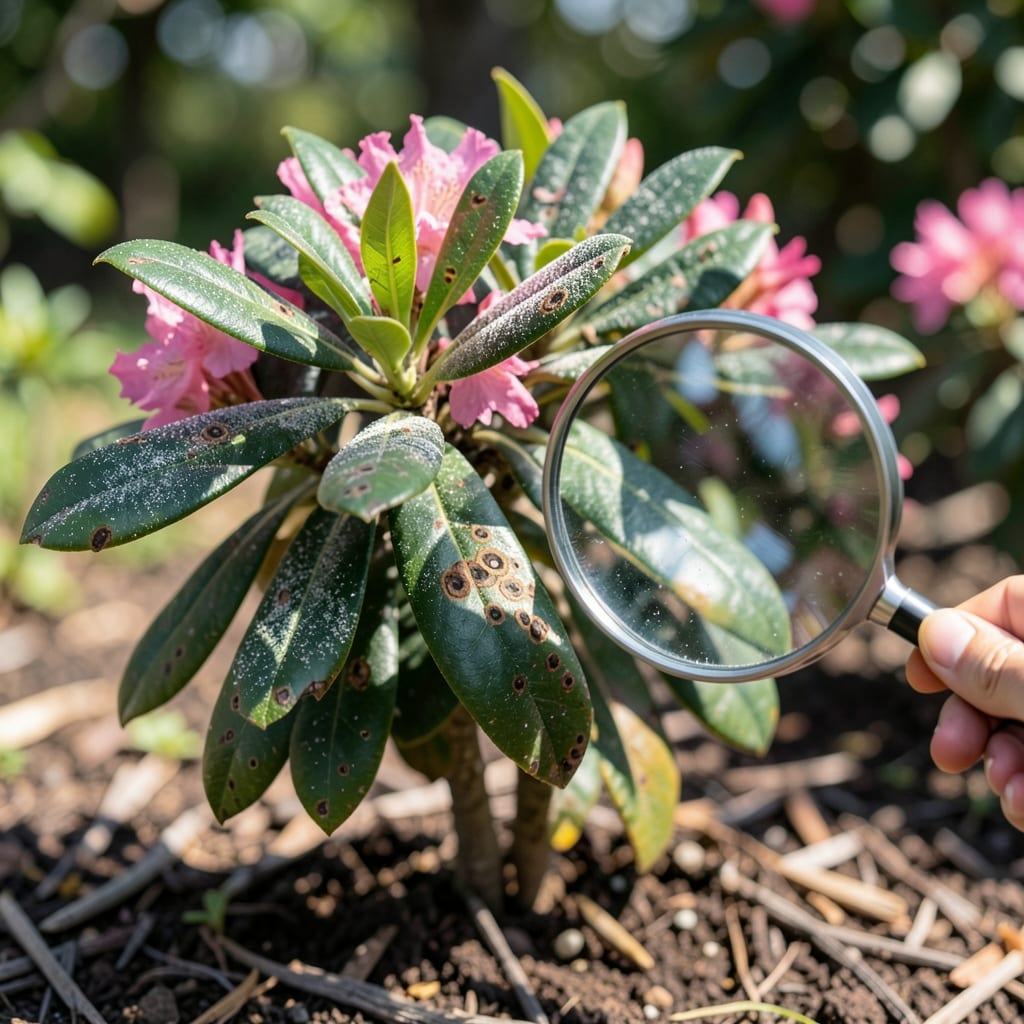
Indian hawthorn leaves turning spotted and brown ruined my spring landscape last year. The fungus spreads fast, but catching it early makes all the difference in saving your shrubs.
I learned the hard way that crowded plants and wet foliage create perfect conditions for this issue. Proper spacing and morning watering alone can prevent most outbreaks before they start.
Natural remedies like neem oil and baking soda sprays work surprisingly well when applied at the first sign of trouble. The key is consistent treatment every 7-10 days until the problem clears.
These methods protect your investment while keeping your garden chemical-free. The shrubs bounce back with healthy new growth within weeks of proper care.
Indian hawthorn plants are susceptible to fungal infections due to a mix of environmental, biological, and cultural factors. Understanding these causes helps in both prevention and treatment. Below are the primary reasons why this fungus takes hold.
Fungal spores thrive in damp conditions. Overwatering, poor drainage, or prolonged rain can create the perfect breeding ground for pathogens like Entomosporium leaf spot. Waterlogged soil or foliage that remains wet for extended periods invites fungal growth. Ensure proper drainage and avoid overhead watering to reduce humidity around the plant.
Indian hawthorn fungus flourishes in warm, humid climates—typically between 70–85°F (21–29°C). These conditions accelerate spore germination and spread. Regions with high humidity or poor air circulation exacerbate the problem. Prune densely packed branches to improve airflow and reduce humidity buildup.
Tightly spaced plants or overgrown foliage restrict airflow, trapping moisture and creating a microclimate ideal for fungal development. Thin out crowded areas and maintain adequate spacing between plants to promote ventilation.
Fungal spores can linger in garden tools, soil, or fallen debris. Using unsterilized pruners or planting in infected soil introduces pathogens to healthy plants. Always sanitize tools with a 10% bleach solution and remove fallen leaves or infected plant material promptly.
Stressed or malnourished plants are more vulnerable to fungal attacks. Factors like nutrient deficiencies, root damage, or pest infestations compromise the plant’s natural defenses. Strengthen your Indian hawthorn with balanced fertilization and proper care to boost its resistance.
Dealing with fungal issues on your Indian hawthorn starts with identifying the cause and applying the right fix. Below are targeted solutions, paired with prevention tips to keep your plants healthy long-term.
If you notice dark, irregular spots on leaves, remove infected foliage immediately to prevent spread. Disinfect pruning shears with rubbing alcohol between cuts. Apply a copper-based fungicide or neem oil spray every 7–10 days until symptoms fade. Prevention tip: 💡 Space plants properly for airflow and avoid overhead watering to reduce moisture buildup.
Yellowing leaves and wilting often signal root rot from soggy soil. Stop watering immediately and check the roots—trim any black, mushy sections. Repot or amend the soil with perlite or sand to boost drainage. Prevention tip: ✨ Use raised beds or containers if your soil retains too much water, and always plant in well-draining mix.
A white, powdery coating on leaves? Mix 1 tablespoon baking soda + 1 teaspoon dish soap + 1 gallon of water and spray affected areas weekly. For stubborn cases, use sulfur-based fungicides. Prevention tip: 🌡️ Water early in the day so foliage dries quickly, and thin out dense growth to improve air circulation.
Aphids and scale insects can spread sooty mold (a black fungal layer). Blast pests off with water or use insecticidal soap. Once pests are gone, the fungus typically clears on its own. Prevention tip: 🎯 Inspect plants regularly and introduce beneficial insects like ladybugs for natural pest control.
Consistency is key—act at the first sign of trouble and maintain good cultural practices to minimize future outbreaks.
Look for dark spots on leaves, white powdery residue, or yellowing foliage. Early detection is key to stopping the spread.
Yes! A mix of 1 tablespoon baking soda and 1 gallon water with a drop of dish soap works well for powdery mildew. Apply weekly.
Improve airflow by spacing plants properly and water in the early morning. Remove fallen leaves and sanitize tools regularly.
Copper-based or sulfur fungicides are effective but follow label instructions. For organic gardens, stick to neem oil or baking soda sprays.