
Beautiful Plants For Your Interior
Beautiful Plants For Your Interior
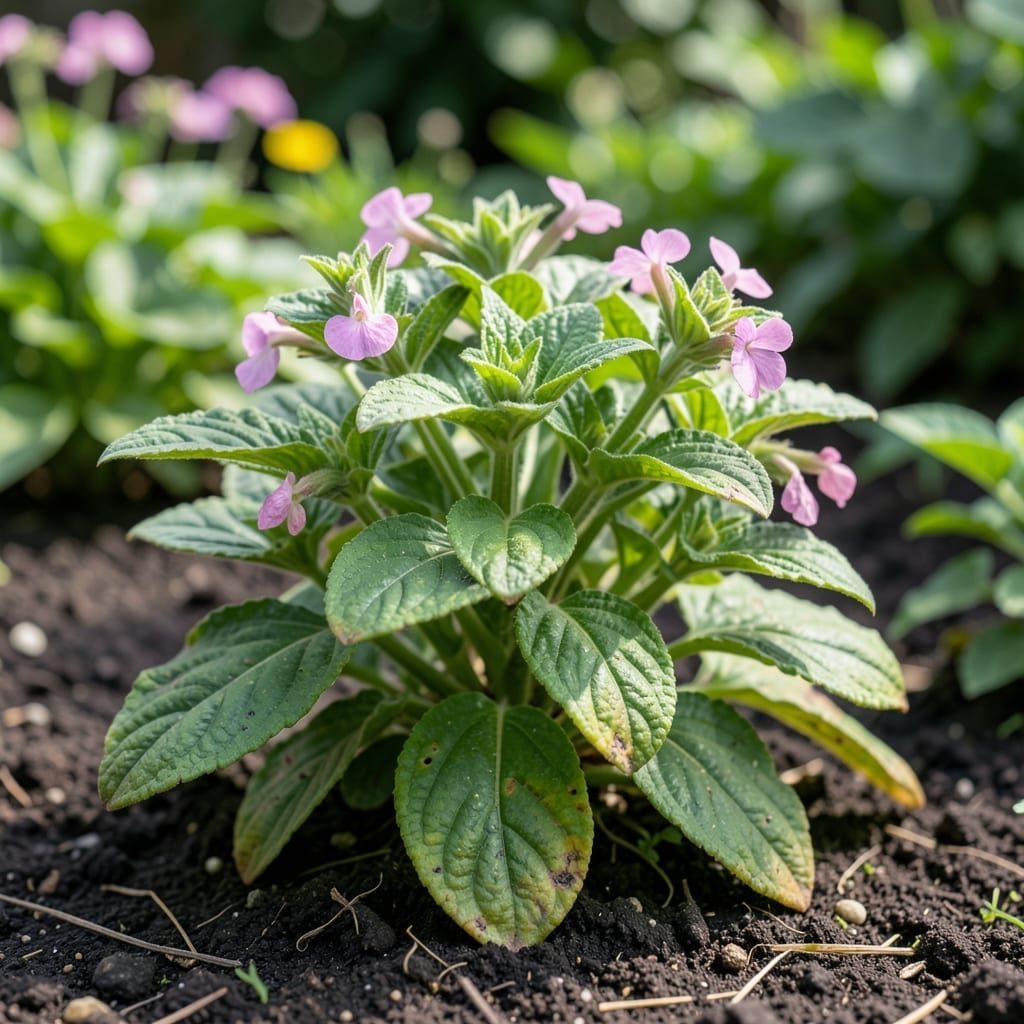
Watching impatiens leaves curl up is like getting a distress signal from your plants. I’ve seen this happen overnight when conditions shift, and the good news is it’s usually fixable.
Most often it’s environmental stress—too much sun, not enough water, or a sudden temperature swing. The leaves tighten to conserve moisture, almost like they’re trying to protect themselves from the elements.
With the right adjustments, you’ll see improvement within 24-48 hours. The key is identifying which stressor hit first and addressing it directly. No fancy treatments needed.
Prevention comes down to consistent care and monitoring. Once you understand the pattern, you can catch it before it starts. Here’s how to read the signs.
Impatiens leaf curl rarely appears for just one reason. It’s usually a chain reaction triggered by environmental stress. Below are the most common causes, each with a clear mechanism and the signs that confirm it.
When ambient temperatures climb above 85 °F (29 °C) or plants sit in direct midday sun, leaf cells lose water faster than roots can replace it. The outer cell layers shrink unevenly, forcing edges to curl upward to reduce exposed surface area and limit further water loss.
Chronic dry soil prevents roots from absorbing enough moisture. Turgor pressure inside leaf cells drops, causing elastic tissues to contract. The result is a classic inward or upward curl as the leaf blade tries to conserve the little water it has left.
Strong, dry winds accelerate transpiration, stripping moisture from leaf surfaces. The accelerated water loss triggers a protective curl, similar to heat stress, but often more pronounced on windward sides of the plant.
Indoor impatiens or plants in arid climates face low relative humidity (below 40%). Without sufficient atmospheric moisture, leaves curl to minimize surface area and slow down transpiration, a survival tactic to prevent wilting.
Excess soluble salts from heavy feeding draw water out of root cells via osmosis. The resulting root stress reduces water uptake, leading to dehydration symptoms—including leaf curl—even if soil appears damp.
Impatiens leaf curl can often be reversed with quick, targeted action. Below are the most common causes and their solutions, along with prevention tips to keep your plants thriving.
Fix: Check the soil moisture by inserting your finger 1 inch deep. If it’s bone dry, water thoroughly until it drains from the bottom. If it’s soggy, let it dry out before watering again. Adjust your schedule to keep the soil evenly moist but never waterlogged.
Prevention: 💡 Use a well-draining potting mix and pots with drainage holes. Water when the top inch of soil feels dry, and always empty saucers after watering to avoid root rot.
Fix: Move your impatiens to a spot with bright, indirect light or partial shade, especially during the hottest part of the day. If leaves are crispy, trim the worst damage to redirect energy to healthy growth.
Prevention: 🌡️ In hot climates, provide afternoon shade or use shade cloth. Keep plants in containers so you can move them as needed.
Fix: Spray leaves with a strong stream of water to dislodge pests. Follow up with insecticidal soap or neem oil, applying every 5–7 days until the infestation clears. Wipe down leaves with a damp cloth to remove residue.
Prevention: 🎯 Inspect plants regularly, especially the undersides of leaves. Introduce beneficial insects like ladybugs, and avoid over-fertilizing, which attracts pests.
Fix: If you’ve recently repotted or moved your impatiens, give it time to acclimate. Keep it in a stable environment with consistent temperatures (60–75°F) and humidity. Mist leaves lightly to reduce stress.
Prevention: ✨ Harden off plants gradually before transplanting outdoors. Avoid placing them near drafts, heaters, or air conditioning vents.
With proper care, most impatiens show improvement within 24-48 hours. Severe cases may take up to a week to fully bounce back, depending on the cause and how quickly you address it.
Yes, overwatering leads to root rot, which prevents proper water uptake—ironically causing dehydration symptoms like curling. Always check soil moisture before watering again.
Aim for 40-60% humidity. Low humidity below 40% triggers curling as leaves try to conserve moisture. A simple pebble tray with water can help indoors.
Trim only severely damaged or crispy leaves to redirect energy to healthy growth. If the curl is mild, the leaves may recover on their own once conditions improve.