
Beautiful Plants For Your Interior
Beautiful Plants For Your Interior
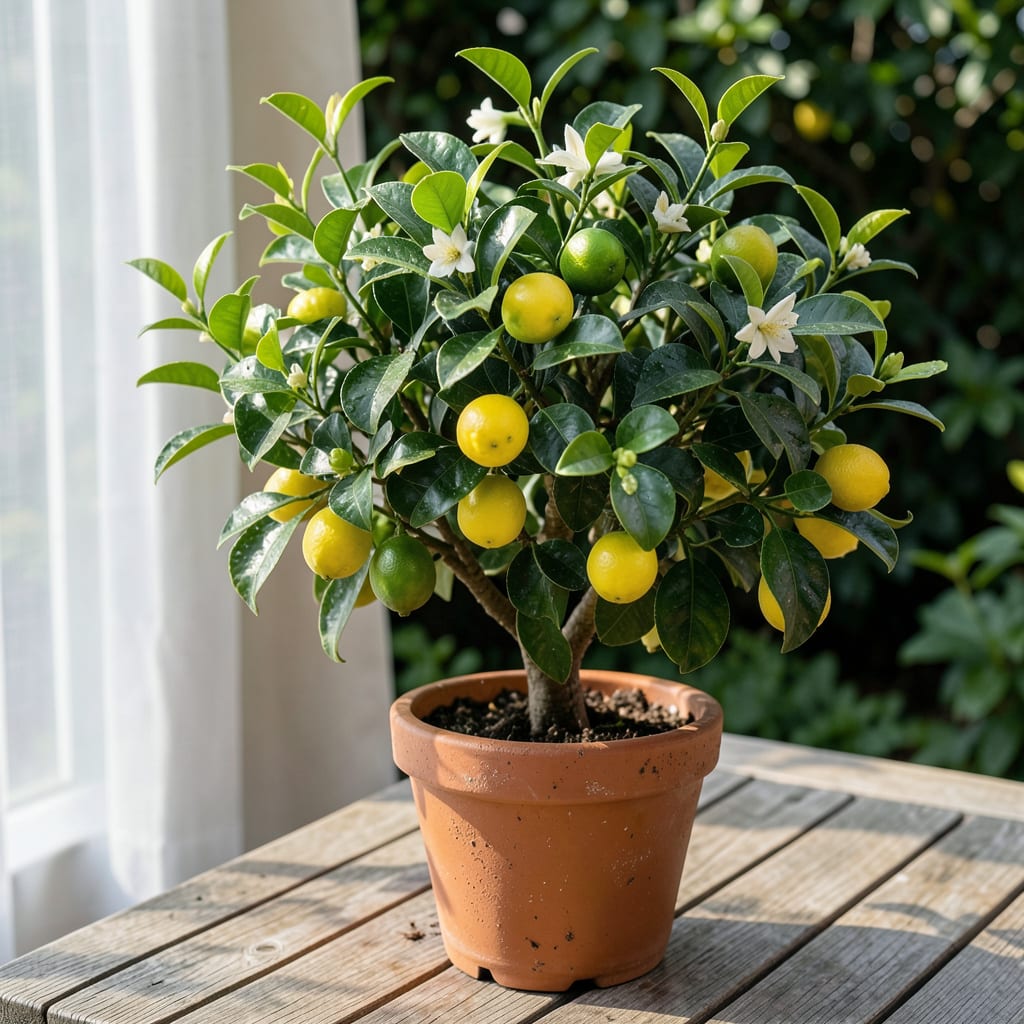
Curling leaves on your lime tree aren’t just unsightly—they’re a cry for help. I’ve seen this happen to healthy trees overnight, and the causes usually fall into a few predictable categories.
Most often, it’s water stress—either too much or too little. But nutrient deficiencies, especially magnesium or potassium, can twist those leaves just as fast. Then there are the sneaky culprits like spider mites or aphids.
Here’s the thing—diagnosing it early saves your tree. Look for yellowing between veins, sticky residue, or dry soil. Each clue points to a different fix.
With the right approach, your lime tree can bounce back in 2-3 weeks. Let’s figure out what’s really going on.
Lime tree leaves curling is often a sign of underlying stress, usually tied to environmental factors or cultural practices. Below are the most common causes, explained with actionable insights.
High temperatures (above 90°F/32°C) or inconsistent watering can trigger leaf curl as a defensive mechanism. When soil moisture fluctuates, roots struggle to absorb water, leading to turgor loss in leaves. Citrus species like lime trees are particularly sensitive to drought stress.
Lime trees thrive in humid conditions (50–70% relative humidity). Dry air—common in indoor settings or arid climates—causes transpirational stress, where leaves lose water faster than roots can replenish it. Curling reduces surface area to minimize moisture loss.
Deficiencies in magnesium (interveinal chlorosis with curling) or potassium (leaf margins curling upward) disrupt cellular function. Over-fertilization (especially with nitrogen) can also cause salt burn, damaging roots and impairing water uptake.
Sap-sucking pests like aphids, spider mites, or citrus leaf miners deform leaves by feeding on plant juices. Their saliva contains enzymes that disrupt cell growth, leading to distorted, curled foliage. Check undersides of leaves for webbing or sticky residue (honeydew).
Transplant shock or compacted/root-bound soil restricts nutrient and water flow. Curling may appear within weeks of repotting or if roots are circling the pot. Gently loosen roots during transplanting to prevent this.
Curling leaves on your lime tree often signal an easy-to-fix issue. Below are targeted solutions for the most common causes, along with simple prevention tips to keep your tree thriving.
If the soil is dry 2 inches down, your lime tree is thirsty. Water deeply once or twice a week, ensuring the root zone (top 6–12 inches) is moist. Use a slow-drip method to avoid runoff. Prevention tip: 💡 Mulch around the base with organic material to retain moisture and reduce evaporation.
Yellowing leaves with curled edges may mean soggy roots. Stop watering immediately and let the soil dry out. Check if the pot or planting area has drainage holes—if not, repot or amend the soil with perlite. Prevention tip: ✨ Stick your finger in the soil before watering; only water if the top 2 inches are dry.
Curling paired with discoloration often points to a lack of nitrogen, magnesium, or potassium. Apply a citrus-specific fertilizer every 4–6 weeks during the growing season. For magnesium, use Epsom salt (1 tablespoon per gallon of water) as a foliar spray. Prevention tip: 🎯 Test your soil annually to catch deficiencies early.
Aphids, mites, or citrus leafminers can cause curling by sucking sap or burrowing into leaves. Spray with neem oil or insecticidal soap every 5–7 days until pests are gone. For severe cases, use a horticultural oil. Prevention tip: 🌡️ Encourage beneficial insects like ladybugs by planting companion flowers nearby.
Extreme heat, cold drafts, or sudden temperature swings can stress your tree. Move potted trees to a sheltered spot or use shade cloth during heatwaves. In winter, protect with frost blankets. Prevention tip: 🔥 Keep indoor trees away from heating vents or AC drafts for stable conditions.
Water when the top 2 inches of soil feel dry. Typically, this means once or twice a week for outdoor trees, less for potted ones. Always adjust based on weather and soil drainage.
Yes! Excess fertilizer, especially nitrogen, can burn roots and disrupt water uptake. Stick to a citrus-specific fertilizer every 4-6 weeks during growing season.
Check for aphids, spider mites, or citrus leaf miners. Look under leaves for webbing, sticky residue, or tiny holes. Treat with neem oil every 5-7 days.
New growth will be healthy, but severely curled leaves may not fully straighten. Focus on correcting the underlying problem to prevent further damage.
