
Beautiful Plants For Your Interior
Beautiful Plants For Your Interior
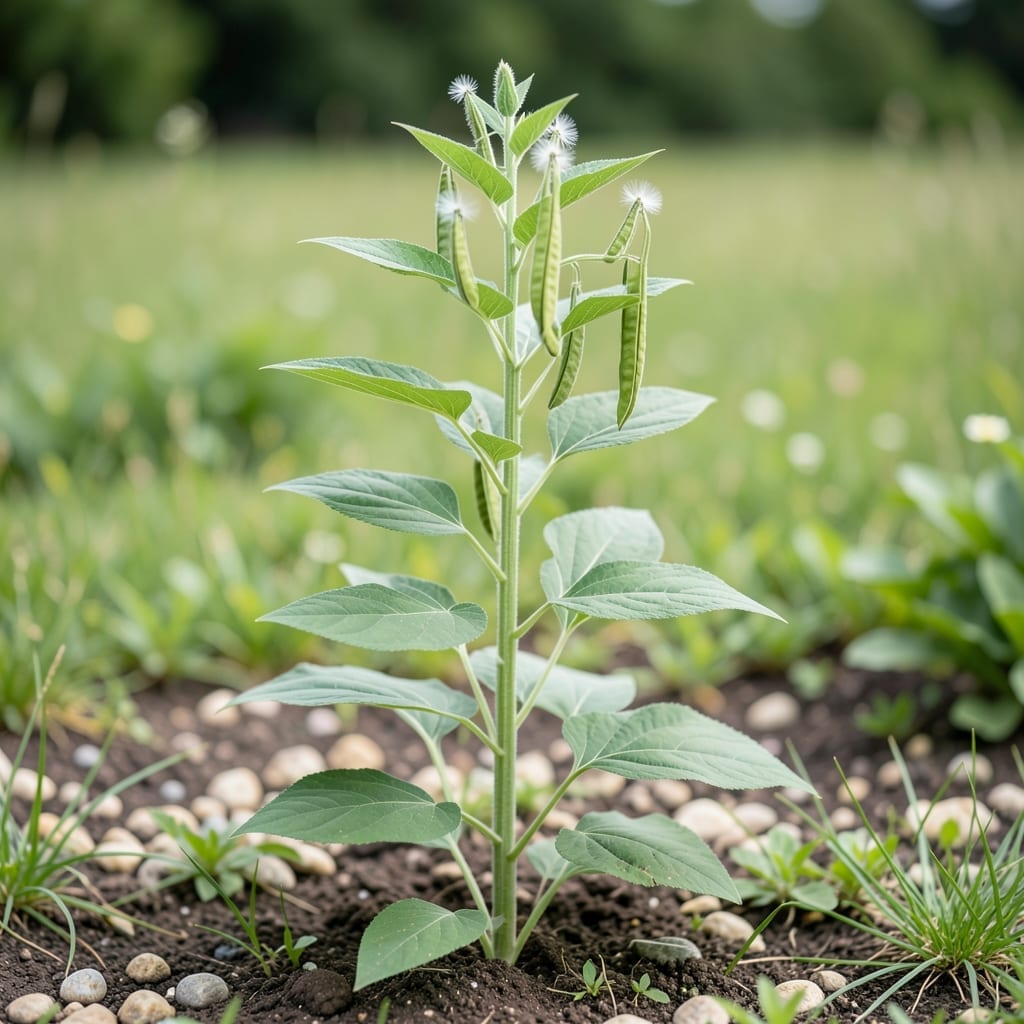
I used to walk past plants without a second glance—until I learned their seed pods tell a story. 🌱 Each shape, texture, and size reveals the plant’s identity, habits, and even its growing conditions.
Some pods split open dramatically, while others cling tight like tiny treasure chests. I’ve found that noticing these details turns a simple walk into a botany lesson. The milkweed’s spiky pod or the poppy’s pepper-shaker top are dead giveaways once you know what to look for.
This skill sharpens your gardening eye and helps you propagate favorites from gathered seeds. Plus, it’s a foolproof way to ID plants in winter when flowers are long gone.
Start with common species in your area, and soon you’ll spot them everywhere. Here’s how to begin.
Seed pods develop as part of a plant’s reproductive strategy, ensuring survival and propagation. Below are the key biological and environmental reasons why plants produce these structures.
Seed pods evolve to protect and disperse seeds efficiently. Many pods split open (dehisce) when dry, flinging seeds away from the parent plant to reduce competition. Others, like those of the milkweed or poppy, rely on wind or animal movement for dispersal. This adaptation maximizes the chances of germination in new locations.
A seed pod acts as a physical barrier, shielding developing seeds from predators (e.g., insects, birds) and environmental stressors like drought or extreme temperatures. Hard or spiny pods, such as those of the honey locust, deter herbivores, while others (e.g., lotus pods) have waterproof coatings to survive flooding.
Pods help plants control the timing of seed release. Some, like the okra or bean pods, remain closed until conditions are optimal for germination (e.g., after rainfall). This ensures seeds are released when moisture and soil conditions are favorable, improving survival rates.
Seed pods ensure genetic diversity by enabling cross-pollination. Flowers that precede pods often rely on pollinators (bees, butterflies) to transfer pollen between plants, leading to genetically varied seeds. This diversity strengthens species resilience against diseases and changing environments.
Identifying plants with seed pods can be a breeze with the right approach. Here’s how to tackle common challenges and ensure accurate results every time.
Fix: Use a field guide or app to compare shapes, sizes, and textures. Focus on unique traits like ridges, spines, or how the pod splits open. For example, milkweed pods are spiky, while poppy pods are smooth and rounded.
Prevention Tip: 💡 Take clear photos of the pod and surrounding leaves for later reference or expert help.
Fix: Start by noting the plant’s habitat (woodland, meadow, etc.) and leaf structure. Many seed pods are tied to specific families—like legumes (pea pods) or brassicas (mustard pods). Cross-reference with a botanical key.
Prevention Tip: 🎯 Carry a small notebook to jot down observations like color, size, and growth pattern.
Fix: Return to the plant later in the season when pods are fully developed. Immature pods often lack defining features. For annuals, check back in late summer or fall.
Prevention Tip: ✨ Mark the plant’s location with a GPS app or a physical tag to revisit it easily.
Fix: Remember that seed pods are dry and split open to release seeds, while fruits are often fleshy. For instance, okra pods are technically fruits but resemble seed pods.
Prevention Tip: 🔥 Study the plant’s lifecycle—some pods only appear after flowering.
With these steps, you’ll master identifying plants with seed pods like a pro. Happy exploring! 🌼
Use a magnifying glass to examine details like texture and seed arrangement. A field guide or plant ID app can match your findings to known species.
Many pods are designed to dehisce when dry, flinging seeds away to reduce competition. This evolutionary trait helps plants colonize new areas.
Often yes, but combining pod shape with leaf structure and habitat gives the most accurate ID. Some plants have very distinctive pods, like milkweed’s spiky ones.
Late summer to fall is ideal, as most annuals and perennials have finished flowering. Early winter works too for hardy species that retain pods.