
Beautiful Plants For Your Interior
Beautiful Plants For Your Interior
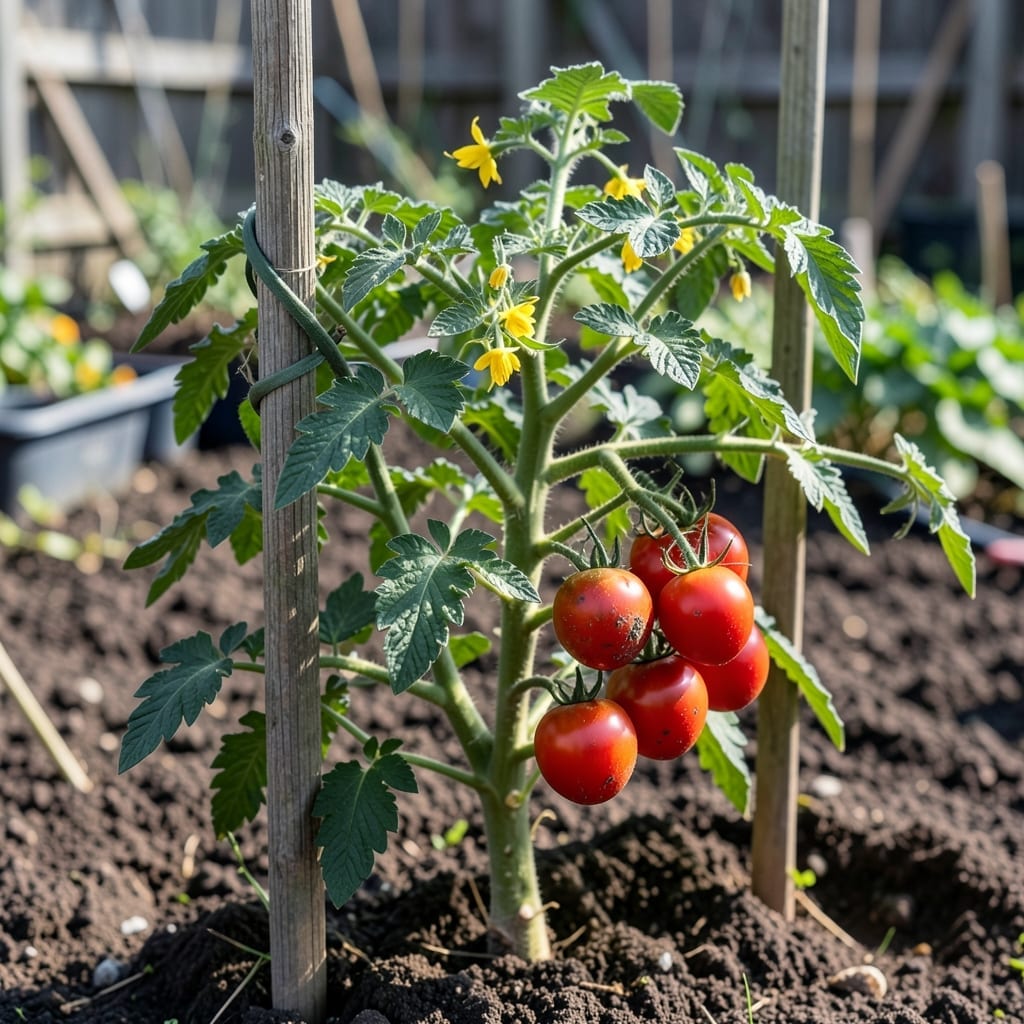
Watching a tiny tomato seed sprout into a fruit-bearing plant is magical, but the timeline can vary wildly. Depending on the variety and growing conditions, your 🍅 Tomato might take 50 to 90 days to go from seed to harvest.
Understanding this growth process helps gardeners plan their planting schedule. In Zone 6, starting seeds in April or May sets you up for a summer full of fresh tomatoes.
From germination to fruiting, each stage depends on factors like sunlight, soil, and care. I’ll break down what to expect so you can enjoy your homegrown tomatoes at just the right time.


If you’re wondering how long do tomato plants take to grow, the answer depends on the variety. Cherry tomatoes can ripen in as little as 50 days, while larger beefsteak varieties often need 80 to 90 days. Heirloom types typically fall somewhere in between.
Growth begins with germination, which usually takes 5 to 10 days under ideal conditions. After sprouting, the seedling enters a vegetative stage that lasts about 4 to 6 weeks, where the plant focuses on leaf and stem development.
| Stage | Duration | Key Notes |
|---|---|---|
| Germination | 5-10 days | Keep soil warm (70-80°F) and moist |
| Vegetative | 4-6 weeks | Focus on leaf and stem growth |
| Flowering | 2-3 weeks | First yellow flowers appear |
| Fruiting | 6-8 weeks | Tomatoes develop and ripen on vine |
The flowering stage follows, lasting about 2 to 3 weeks. This is when you’ll see those iconic yellow blossoms that will eventually turn into tomatoes. Proper sunlight and pollination are critical here.
Finally, the fruiting stage begins, where tomatoes develop and ripen. This can take 6 to 8 weeks, depending on the variety and growing conditions. Cherry tomatoes often ripen faster than larger types like beefsteak or heirloom.
Environmental factors play a huge role in growth speed. Temperature is key—tomatoes thrive in warm soil (60-85°F). Cooler temps slow growth, while excessive heat can stress the plant. Aim for consistent moisture without waterlogging the roots.
Sunlight is another major factor. Tomato plants need 6 to 8 hours of direct sun daily. Less light can delay flowering and fruiting. If you’re growing indoors or in a shady spot, consider supplemental grow lights to keep things on track.
Soil quality also impacts growth. Well-draining, nutrient-rich soil with a pH of 6.0 to 6.8 is ideal. I always mix in compost or aged manure before planting to give my tomatoes a strong start. Poor soil can lead to stunted growth and lower yields.
For gardeners in Zone 6, starting seeds indoors 6 to 8 weeks before the last frost (around April 15) gives you a head start. Transplant seedlings outdoors only after the danger of frost has passed and soil temps reach 60°F.
Remember, these timelines are general estimates. Your specific conditions—like watering habits, fertilizer use, and pest control—can all influence how quickly your tomatoes grow. Keep an eye on your plants and adjust care as needed.
☀️If you’re eager to enjoy your tomatoes sooner, I’ve found 5 natural methods to encourage faster growth. These techniques work with the plant’s biology rather than against it, ensuring healthy development without harsh chemicals.
First, proper watering is crucial. Tomatoes need consistent moisture but hate soggy roots. I water deeply every 3-5 days, allowing the soil to dry slightly between waterings. This encourages strong root growth. ☀️
Companion planting is one of my favorite tricks. Planting basil or marigolds near tomatoes can deter pests while improving flavor and growth. These companions also help with soil health and moisture retention.
For fertilization, I swear by compost tea or fish emulsion. These organic options provide a gentle but effective nutrient boost. Apply every 2 weeks during the growing season, but avoid over-fertilizing, which can lead to lush foliage but fewer tomatoes.
Pruning might seem counterintuitive, but removing suckers (the small shoots that grow between the main stem and branches) helps direct the plant’s energy toward fruit production rather than excess foliage. Do this when suckers are small for best results.
Finally, don’t underestimate the power of proper spacing. Crowded plants compete for sunlight and nutrients, which can slow growth. I always give my tomatoes 18 to 24 inches of space between plants for optimal air circulation and growth. 🌱