
Beautiful Plants For Your Interior
Beautiful Plants For Your Interior
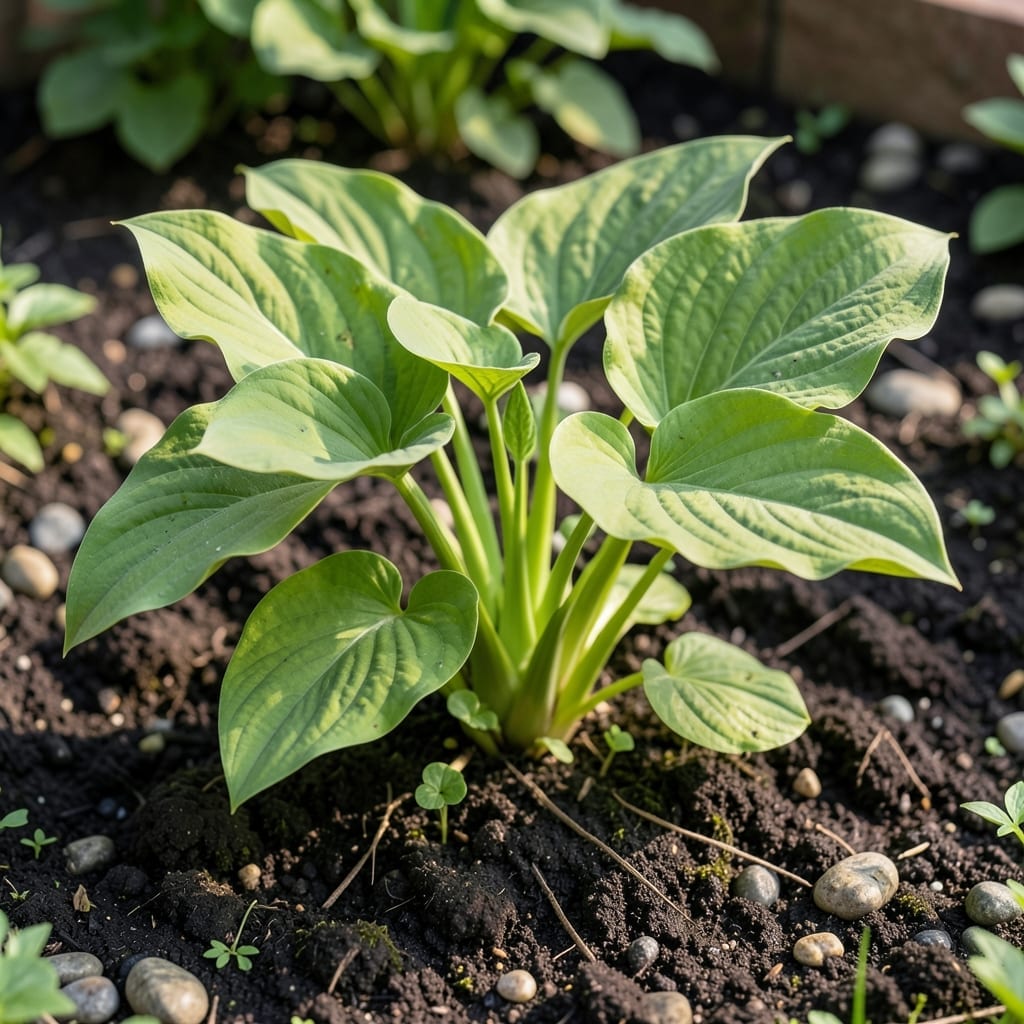
Spring shoots emerge when the soil hits 45-50°F, signaling it’s time to start watching. I’ve learned to spot the subtle differences between weed seedlings and the perennials I planted last fall.
The key is in the details: leaf shape, color patterns, and growth habits. New asparagus shoots look like tiny ferns, while peony sprouts are red and waxy. Most people miss these early signs.
You’ll recognize your plants faster when you know what to look for. First-year gardeners often pull up their own crops by mistake. I’ve done it more times than I’d like to admit.
Works for flower beds, vegetable patches, or any garden space. Here’s how to tell them apart before it’s too late.
Spring shoots emerge due to a combination of environmental and biological triggers. Here’s a breakdown of the key causes:
As soil temperatures climb above 40–50°F (4–10°C), dormant buds and roots receive the signal to activate. Many perennial plants, like asparagus or hostas, rely on this warmth to break dormancy and push new growth above the soil.
Longer daylight hours (photoperiodism) stimulate hormonal changes in plants. Species such as rhubarb or spring onions respond to increased sunlight by initiating shoot development, ensuring they capitalize on optimal growing conditions.
Spring rains soften the soil and provide the hydration needed for cells to expand. Without adequate moisture, even warm temperatures won’t trigger shoots—this is why dry springs can delay emergence in plants like peas or early greens.
Perennials and bulbs (e.g., tulips, garlic) use energy stored in roots or tubers during winter. As conditions improve, they convert these reserves into rapid shoot growth, often visible as tender, pale sprouts pushing through the soil.
Plants produce gibberellins and auxins—hormones that promote cell elongation and division. These chemicals surge in response to environmental cues, directly driving the emergence of spring shoots in species like bamboo or strawberries.
If you’re struggling to identify spring shoots correctly, these practical solutions will help you distinguish edible greens from lookalikes and avoid costly mistakes in the garden or wild.
Many edible spring shoots share similar leaf shapes with toxic plants. Fix: Compare vein patterns—edible shoots like ramps have parallel veins, while toxic lilies of the valley have netted veins. Use a magnifying glass for precision. Prevention tip: 💡 Always cross-check with a trusted field guide before harvesting.
Young shoots can look alike in color, especially in low light. Fix: Examine the stem and leaf undersides. Edible wild leeks often have a reddish stem base, while poisonous plants like false hellebore lack this hue. Prevention tip: 🌡️ Harvest in daylight and avoid damp conditions that dull colors.
Picking too early or late can make identification harder. Fix: Target shoots when they’re 4–6 inches tall—most distinct features (like garlic’s hollow stem) are visible then. Prevention tip: ✨ Mark your calendar for the optimal spring window in your region.
Some shoots thrive in specific environments. Fix: Note the location: ramps favor shady, moist woodlands, while toxic water hemlock grows in wetlands. Prevention tip: 🎯 Map your foraging spots and research native plants in each zone.
When in doubt, leave it out—safety always comes first!
A 10x magnifying glass reveals vein patterns and tiny hairs. Bring a field guide with clear photos for comparison.
Weather affects growth speed and color intensity. A cold spring may produce paler, slower-growing shoots compared to a warm one.
Yes, but wait until leaves dry for accurate color assessment. Wet surfaces can distort true hues and textures.
Check stem shape: edible wild leeks have hollow stems, while toxic lookalikes are solid. Always verify with multiple features.