
Beautiful Plants For Your Interior
Beautiful Plants For Your Interior
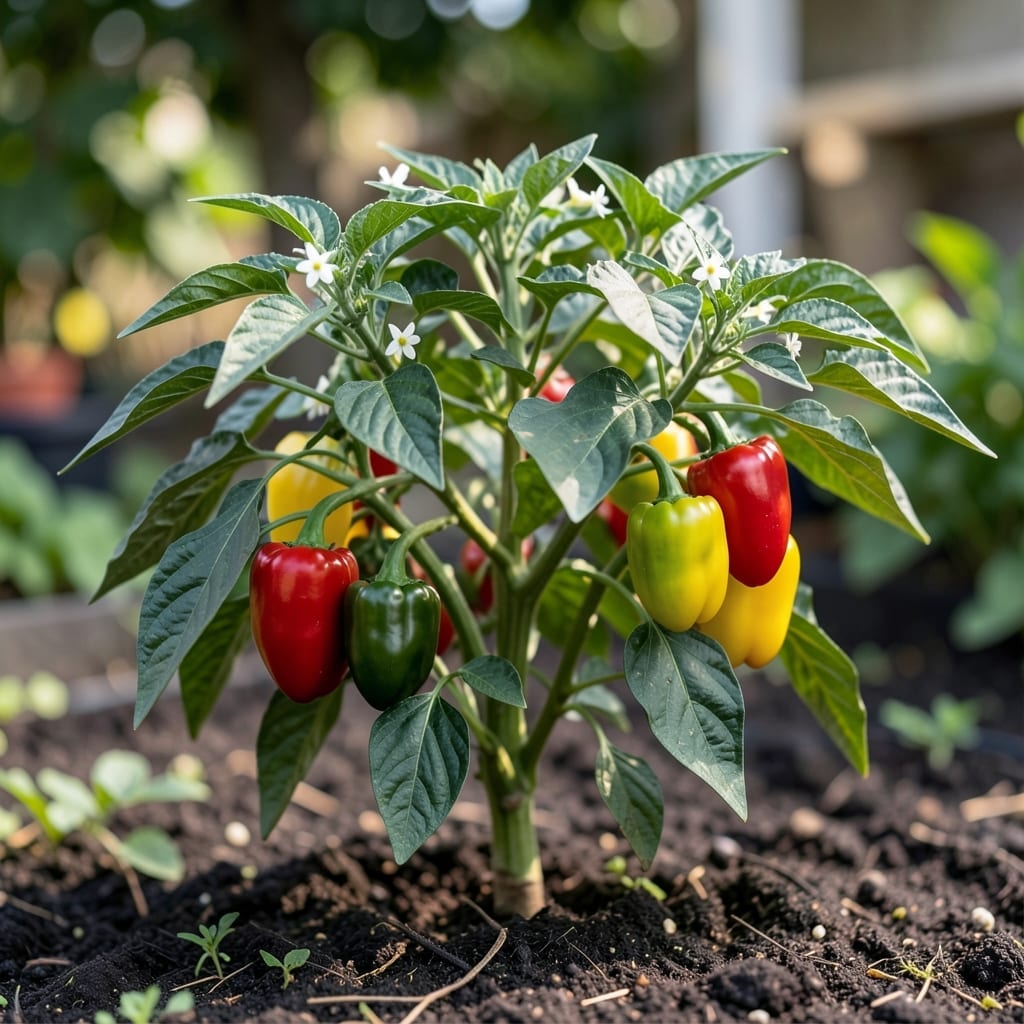
That moment when you realize your mystery plant is actually a pepper? Game changer. I’ve stood in my garden staring at leaves, wondering if I was growing a bell, jalapeño, or something completely different. The shape of the leaves, the way they grow, even the stems give it away.
Bell peppers have broad, smooth leaves, while hot varieties often look narrower and pointier. Then there’s the fruit—color, size, and shape are dead giveaways. Some hang down, others stand upright like little soldiers.
I’ve learned to check the plant’s height and branching pattern too. Bushy and compact usually means a sweet variety, while tall, lanky growth hints at heat. A quick leaf rub even releases a faint peppery scent.
Once you know what you’re growing, the care part becomes so much easier. No more guessing about water, sun, or when to expect those first peppers.
Peppers are diverse, and their similarities can lead to confusion. Here’s why misidentification happens so often:
Many pepper varieties share genetic traits, especially within the Capsicum annuum species. For example, bell peppers and jalapeños may look alike in early growth stages, as they both produce broad, green leaves and similar stem structures. This genetic overlap makes it hard to distinguish them without examining fruit shape, color, or heat level.
Growing conditions like light, water, and soil quality can alter a pepper plant’s appearance. A stressed or nutrient-deficient plant may develop smaller leaves or stunted growth, mimicking traits of a different variety. For instance, a normally robust habanero plant might resemble a smaller, less vigorous variety if grown in poor soil.
Peppers change dramatically as they mature. A young Capsicum chinense (e.g., ghost pepper) might look identical to a Capsicum frutescens (e.g., tabasco) in its early stages. Without observing the fruit’s final size, shape, or color, even experienced gardeners can misclassify the plant.
Cross-pollination between pepper varieties can create hybrid plants with mixed traits. These hybrids may exhibit characteristics of both parent plants, making identification tricky. For example, a cross between a sweet banana pepper and a hot cayenne could produce offspring with intermediate heat and shape, confusing visual identification.
Struggling to tell your jalapeño from your bell pepper? Here’s how to solve common identification issues with practical fixes and prevention tips.
Many pepper plants share broad, green leaves, but subtle differences can help. Fix: Compare leaf edges—serrated edges often belong to hot peppers like cayenne, while smooth edges may indicate sweeter varieties like bell peppers. Use a side-by-side visual guide for accuracy.
Prevention: Label seedlings early or plant varieties in separate pots to avoid mix-ups.
Pepper shapes vary drastically—long and slender (like banana peppers) vs. blocky (bell peppers). Fix: Wait for fruit to mature and reference a shape chart for your variety. Color can also hint at type (e.g., red jalapeños vs. green bell peppers).
Prevention: Keep a garden journal with photos of expected fruit shapes for each planted variety.
Some peppers (like Thai chilis) stay small, while others (like bell peppers) grow tall. Fix: Cross-check your plant’s height against growth expectations for the suspected variety. Use a ruler or app to track progress.
Prevention: Research mature sizes before planting and space varieties accordingly to avoid overcrowding.
When in doubt, snap a photo! Apps like PictureThis or PlantNet can confirm your pepper type in seconds. Fix: Upload clear images of leaves, fruit, and stems for the most accurate results.
Prevention: Save app results to a folder for future reference—no more guessing games!
Examine the leaves first—smooth edges often mean sweet peppers, while serrated edges suggest heat. Then check the fruit shape: blocky for bells, tapered for jalapeños, and tiny for Thai chilis.
Yes, but it’s tricky. Compare stem color (green vs purple), leaf size, and growth habit. Bushy plants are usually sweet varieties, while tall, sparse ones lean hot.
Growing conditions affect appearance. Poor soil or light can stunt growth, making a bell pepper resemble a smaller variety. Always check multiple traits, not just one.
Not always. While many (like cayenne) do, some hot varieties have broader leaves. The best clue is fruit shape and heat level—taste a tiny piece if unsure!