
Beautiful Plants For Your Interior
Beautiful Plants For Your Interior
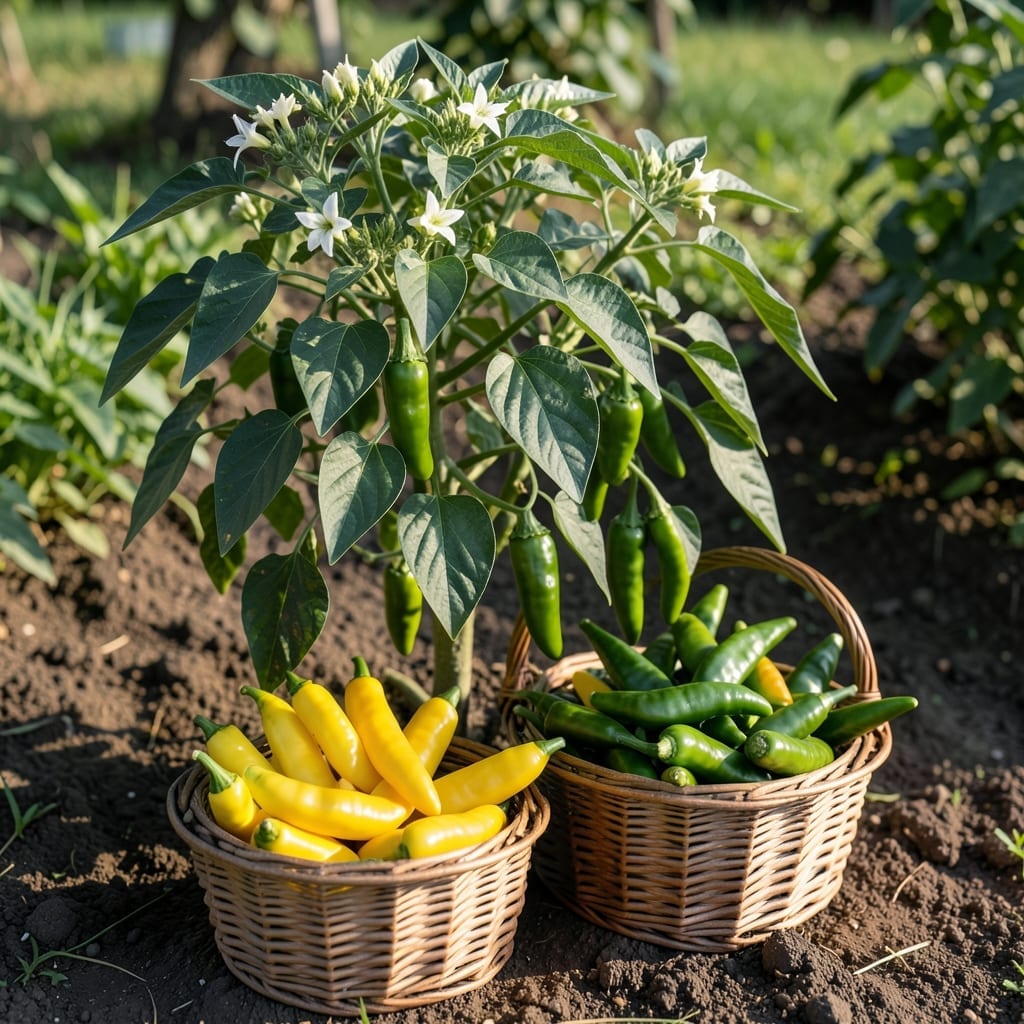
Wondering how many banana peppers your 🌶️ Banana Pepper plant will produce? The yield might surprise even seasoned gardeners, with some plants generating dozens under ideal conditions.
I’ve seen firsthand how the right care can transform a single plant into a pepper powerhouse. From sunlight to soil, small adjustments make a big difference in your harvest.
Discover what to expect from your plants and how to maximize their potential. Let’s dig into the details that will help you grow a bumper crop.

If you’re growing banana peppers, you’re probably eager to know how many peppers each plant will produce. On average, a healthy plant yields 20-30 peppers per season, but the right conditions can push this to 50 or more.
Several factors influence this yield, including the pepper variety, growing conditions, and care routines. I’ve found that plants given full sun and consistent watering tend to outperform those in partial shade or with irregular care.
| Factor | Impact on Yield |
|---|---|
| Variety | Sweet Banana: 25-30 peppers; Hungarian Wax: 30-40 peppers |
| Sunlight | 6-8 hours daily maximizes production |
| Soil Quality | Well-draining, rich in organic matter boosts growth |
| Watering | Consistent moisture (1-2 inches weekly) prevents stress |
| Fertilization | High-phosphorus feed every 4-6 weeks supports fruiting |
In my experience, Sweet Banana peppers typically produce 25-30 peppers per plant, while Hungarian Yellow Wax can yield 30-40 peppers under optimal conditions. These numbers assume the plant is mature and healthy.
For the best results, I recommend starting seeds indoors about 8-10 weeks before the last frost date. This gives the plants a head start, which translates to more peppers by harvest time.
Sunlight is non-negotiable for high yields. Banana pepper plants thrive in full sun, meaning at least 6-8 hours of direct sunlight daily. Without this, the plant may produce fewer peppers or smaller fruits.
Soil quality also plays a huge role. I always amend my garden beds with compost or well-rotted manure to ensure the soil is rich and well-draining. This helps the roots access nutrients efficiently, which directly impacts pepper production.
Watering consistently is key, but avoid overdoing it. Aim for 1-2 inches of water per week, either from rainfall or irrigation. Mulching around the base of the plant helps retain moisture and keeps the roots cool.
Don’t forget about fertilization. A balanced fertilizer with a higher phosphorus content (like 5-10-10) encourages fruiting. I feed my plants every 4-6 weeks during the growing season, and the difference in yield is noticeable.
Finally, pruning can help redirect the plant’s energy toward producing more peppers. I remove any suckers (the small shoots that grow in the crotch between the main stem and branches) to focus growth on the main fruit-bearing branches.
With the right care, your banana pepper plants can exceed the average yield and provide a bountiful harvest all season long 🌱
To get the most from your banana pepper plants, focus on consistent care and smart techniques. I’ve tested these methods in my own garden with great results.
Start with proper spacing—crowded plants compete for resources. I plant mine 18-24 inches apart to ensure good airflow and sunlight access.
Pruning is one of my top tips. Removing suckers and excess foliage helps the plant direct energy toward pepper production rather than leaf growth.
For fertilization, I use a 5-10-10 formula every 4-6 weeks during the growing season. This boosts flowering and fruiting, which directly increases your pepper yield.
Watering deeply once or twice a week is better than frequent shallow watering. This encourages strong root growth, which supports more peppers. Always water at the base to avoid wetting the leaves.
Mulching with straw or wood chips keeps the soil moist and cool. It also prevents weeds from stealing nutrients from your plants. I apply a 2-3 inch layer around the base of each plant.
Finally, staking your plants prevents branches from breaking under the weight of ripe peppers. I use simple bamboo stakes or cages for support, especially for taller varieties 🌿