
Beautiful Plants For Your Interior
Beautiful Plants For Your Interior
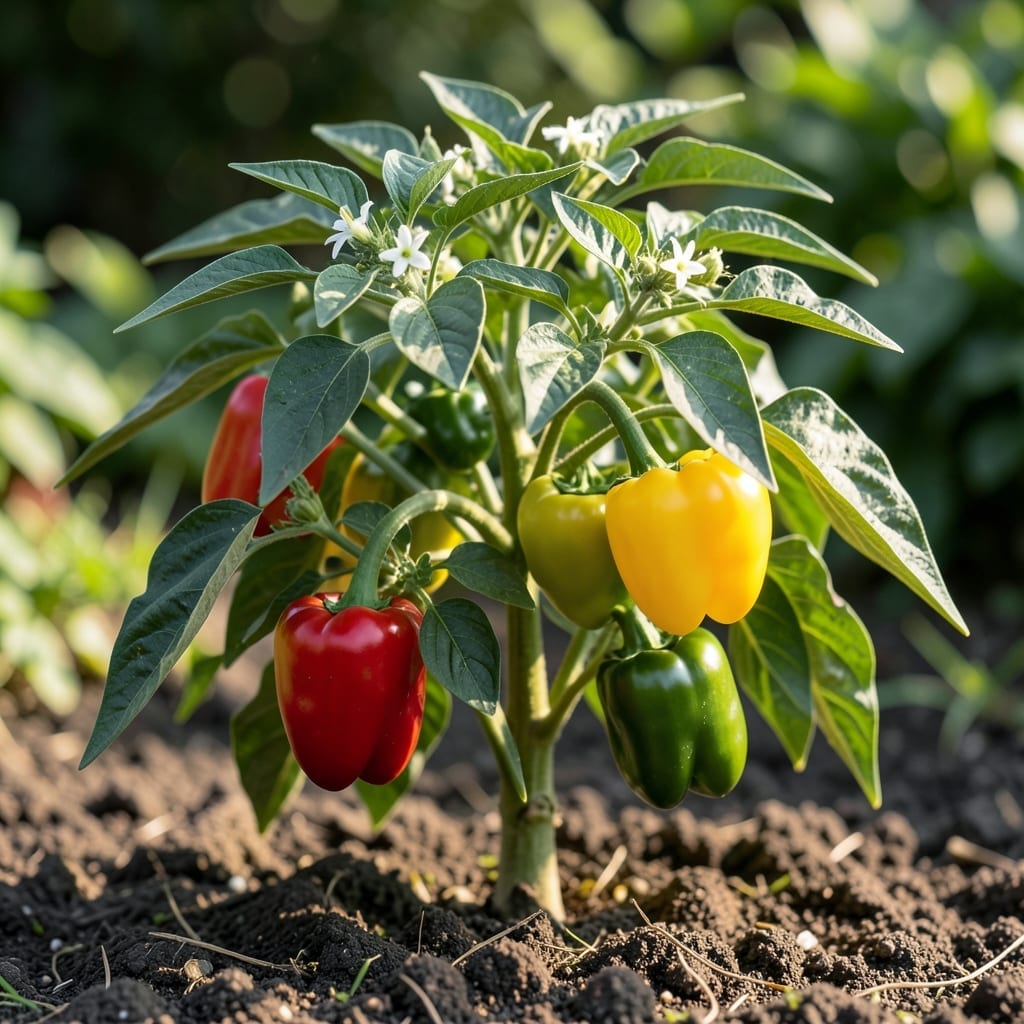
Watching your Bell Pepper plants grow from tiny seedlings to fruit-bearing giants is one of gardening’s greatest joys. Understanding their height at each growth stage helps you plan spacing, support, and care.
I’ve seen gardeners struggle when their Bell Pepper 🌶️ plants don’t reach expected sizes. Whether you’re growing in Zone 6a or elsewhere, knowing the typical range can make all the difference.
From dwarf varieties to towering cultivars, these plants vary 2-4 feet tall at maturity. Factors like soil, sunlight, and pruning play a huge role in their development.
Discover how to nurture your plants for optimal height and a bountiful harvest. Let’s dig into what you need to know to help your peppers thrive.

Understanding bell pepper height helps you plan your garden layout effectively. Most varieties reach 2-4 feet at maturity, but this can vary significantly by type and growing conditions.
From seedling to harvest, these plants go through distinct growth phases. Early stages show rapid vertical growth, while later phases focus on fruiting and branching out.
| Variety | Mature Height | Notes |
|---|---|---|
| California Wonder | 3-4 feet | Standard large-fruited variety |
| Mini Bell | 1-2 feet | Dwarf compact variety |
| Jalapeño | 2-3 feet | Medium height, bushy growth |
| Early Prolific | 2-3 feet | Fast-growing, productive |
Dwarf varieties like Mini Bell stay compact at 1-2 feet, perfect for container gardening. These smaller plants still produce abundant peppers with proper care.
Standard varieties such as California Wonder typically reach 3-4 feet tall. Their height requires more garden space and often benefits from staking support.
Genetics play the biggest role in determining final height. However, environmental factors like sunlight, water, and soil quality can influence growth by up to 20%. ☀️
During the first 4-6 weeks, seedlings grow rapidly, reaching about 6-12 inches. This early growth phase is critical for establishing strong stems.
As plants enter the vegetative stage, they can grow 1-2 inches per day under ideal conditions. This is when you’ll see the most dramatic height increases.
Once flowering begins, growth slows as energy shifts to fruit production. The plant focuses on developing peppers rather than gaining additional height.
I’ve found that consistent watering and fertilizing during early growth stages leads to taller, healthier plants. Remember that over-fertilizing can cause excessive leafy growth at the expense of fruit.
For container gardeners, choose bush varieties that max out at 2 feet. These are bred to stay compact while still producing a good yield.
In my experience, pruning lower leaves can encourage upward growth and improve air circulation. This simple technique often results in taller, more productive plants.
Managing your bell pepper height ensures healthy growth and better yields. I’ve found that staking is essential for taller varieties like California Wonder, which can reach 3-4 feet without support.
For compact spaces, container gardening works well with dwarf types. These stay under 2 feet but still produce abundantly with proper care and well-draining soil. ☀️
If your plants are growing too tall, pinch off the top growth to encourage bushier development. This works especially well for Jalapeño peppers, which can get leggy without intervention.
Watering deeply but infrequently promotes stronger stems. I recommend 1-2 inches of water per week, depending on your climate and soil type. Avoid overwatering, as it leads to weak growth.
For container-grown peppers, choose pots that are at least 12 inches deep to accommodate root systems. This helps control height while ensuring healthy development and optimal yields. 🌱
Finally, fertilize regularly with a balanced 10-10-10 formula to support steady growth. Apply every 4-6 weeks during the growing season for best results.