
Beautiful Plants For Your Interior
Beautiful Plants For Your Interior
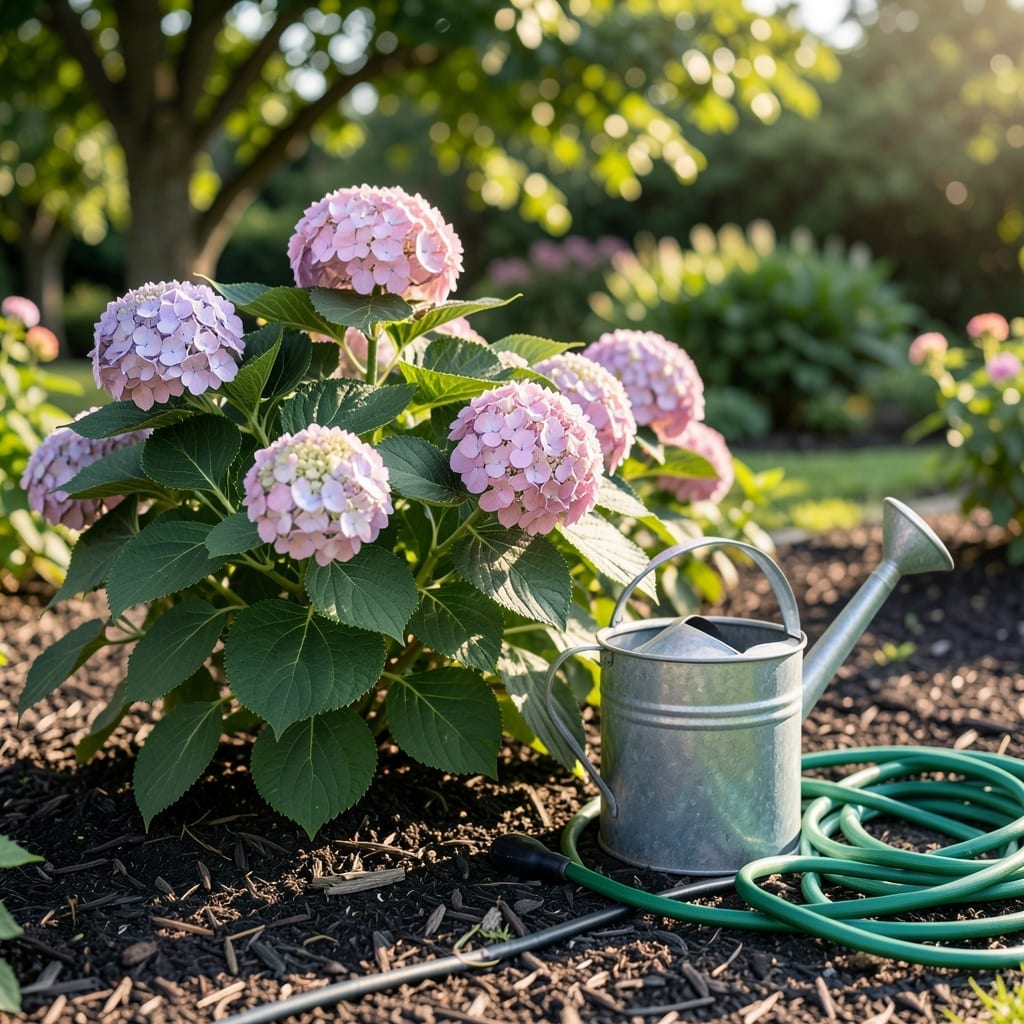
A proper hydrangea watering schedule is the key to lush, colorful blooms that turn your garden into a vibrant oasis. Get it wrong, and you risk wilting leaves or stunted growth.
The 🌸 Hydrangea thrives on consistency, but many gardeners struggle with how much and how often to water. I’ve seen firsthand how the right approach transforms these shrubs from lackluster to breathtaking.
Whether you’re in USDA Zone 6a or just starting your gardening journey, understanding your plant’s needs is most important. Spring is the perfect time to get it right.
Discover how to keep your Hydrangea happy with a simple, effective routine. Let’s make those blooms the envy of the neighborhood.
A consistent hydrangea watering schedule is vital for vibrant, healthy blooms. I’ve learned that timing and frequency change with the seasons, and your climate plays a huge role too. Dry areas demand more attention, while humid regions need careful monitoring.
In spring, I start with weekly deep watering to encourage new growth. As temperatures rise in summer, I adjust to twice-weekly sessions, especially in scorching climates. Fall calls for tapering off, and winter is all about minimal maintenance.
| Season | Watering Frequency | Climate Adjustments |
| Spring | Weekly | Increase to 2x/week in dry climates |
| Summer | 2x Weekly | Daily in extreme heat, reduce in humidity |
| Fall | Weekly | Bi-weekly in cool, wet regions |
| Winter | Bi-weekly | Skip if dormant or frozen ground |
Overwatering signs include yellowing leaves and soggy soil. I check the top 1-2 inches of soil—if it’s dry, it’s time to water. Underwatering shows as wilting leaves and crispy edges, which I’ve fixed by increasing frequency.
For dry climates, I recommend morning watering to reduce evaporation. In humid areas, I water less often but ensure good drainage to prevent root rot. I’ve seen hydrangeas thrive in both with the right adjustments.
Container-grown hydrangeas need more frequent care—every 5-7 days in summer. I use pots with drainage holes and elevate them to avoid waterlogging. Ground-planted shrubs are more forgiving, needing water every 7-10 days in moderate weather.
I always use a soil moisture meter to take the guesswork out. It’s a game-changer for maintaining that perfect balance. Mulching with organic material also helps retain moisture and keeps roots cool.
Signs of stress can appear quickly, so I monitor my plants regularly. Drooping leaves in the afternoon might just be heat stress, but if they stay droopy overnight, it’s a sign to adjust my watering routine immediately.
In USDA Zone 6a, I follow this schedule closely, but I adapt based on rainfall. A rain gauge helps me track how much water my hydrangeas get naturally. If we’ve had a good soak, I skip a watering session to avoid overdoing it.
Remember, consistency is key. Hydrangeas love steady moisture, not extremes. With this approach, I’ve enjoyed lush, colorful blooms year after year 🌸
Getting your hydrangea watering schedule right can make all the difference. I’ve found that timing matters most—watering in the early morning reduces evaporation and fungal risks. Always aim for deep soaks at the base.
Consistency is key, but so is checking soil moisture before watering. Stick your finger 2 inches deep—if it’s dry, it’s time. Overwatering can be just as harmful as underwatering for these shrubs.
I always recommend mulching around your hydrangeas. A 2-3 inch layer of organic mulch keeps roots cool and retains moisture. This simple step can cut your watering frequency in half during hot months.
Avoid wetting the leaves when you water. Focus on the root zone to prevent fungal issues. A soaker hose or drip irrigation works perfectly for this.
If you’re growing hydrangeas in containers, they’ll need more frequent watering. Potted plants dry out faster than those in the ground, so check them every 2-3 days in summer.
Finally, remember that seasonal changes affect your routine. In summer heat, you might need to water every 3-4 days, while cooler months allow for less frequent watering. 🌸