
Beautiful Plants For Your Interior
Beautiful Plants For Your Interior
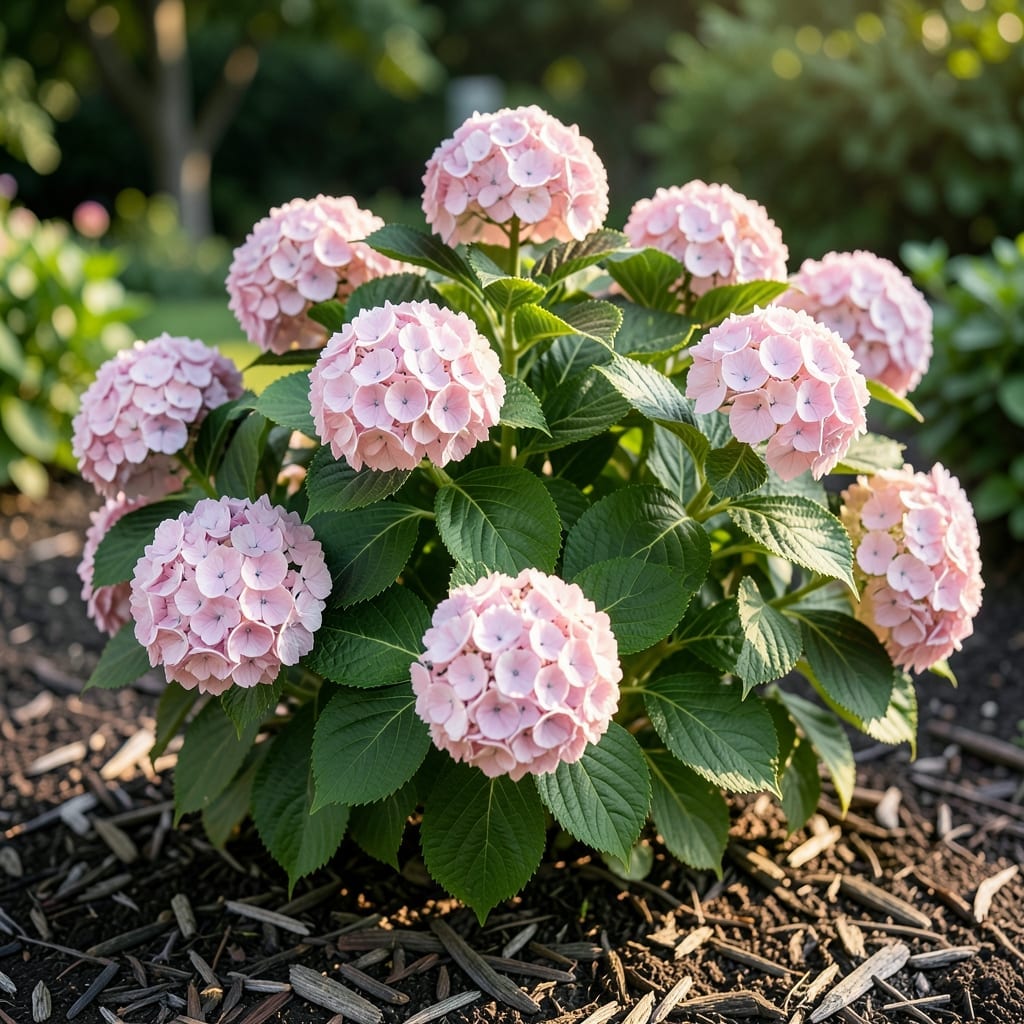
I spent years misidentifying hydrangeas until I learned the subtle differences. The shape of the flower clusters, the texture of the leaves, and even the way the stems grow tell you everything you need to know.
Bigleaf hydrangeas have those showy, rounded blooms we all recognize, while oakleaf varieties flaunt cone-shaped flowers and leaves that look like, well, oak leaves. Panicle types grow tall with elongated clusters that start white and turn pink as they age.
Each species thrives in different conditions—some love full sun, others prefer shade. Knowing which is which means you’ll plant the right variety in the right spot from the start.
No more guessing games or disappointing blooms. Here’s how to spot them with confidence.
Misidentifying hydrangea species often stems from subtle yet critical oversights. Below are the most common causes, explained with actionable insights to refine your approach.
Shared traits between species—like the similar leaf shape of Hydrangea macrophylla (bigleaf) and H. serrata (mountain hydrangea)—lead to confusion. Both feature serrated edges and elliptical forms, but H. serrata typically has smaller leaves and a more compact growth habit. Solution: Examine the underside of leaves for pubescence (hair-like structures) or compare inflorescence types (e.g., lacecap vs. mophead).
Light, soil pH, and moisture can alter flower color, size, or leaf vibrancy, masking true species characteristics. For example, H. macrophylla blooms turn blue in acidic soil (pH 5.0–5.5) and pink in alkaline (pH 6.5+), which might mislead you into thinking it’s a different cultivar. Action: Test soil pH and note if traits revert to “default” forms in neutral conditions.
Some species, like H. paniculata (panicle hydrangea), have drastically different appearances across seasons—lush green foliage in summer versus papery, persistent blooms in winter. Early or late observations may omit key identifiers (e.g., bark texture or bud shape). Tip: Document plants across multiple seasons or consult a year-round field guide.
Crossbreeding (e.g., H. ‘Vanille Fraise’, a H. paniculata hybrid) blurs species lines. These cultivars may inherit traits from multiple parents, making ID tricky. Workaround: Check for registered cultivar names on plant tags or use genetic testing for ambiguous cases.
Identifying hydrangea species can be tricky, but these practical fixes will help you get it right every time. Below, we map common confusion points to clear, actionable solutions.
Many hydrangeas have similarly shaped leaves, making identification difficult. Fix: Examine the leaf margins. Oakleaf hydrangeas (Hydrangea quercifolia) have deeply lobed leaves, while bigleaf varieties (Hydrangea macrophylla) feature serrated edges. Prevention: Always compare leaves against a reliable visual guide before planting.
Mophead and lacecap blooms look alike at first glance. Fix: Check the flower structure. Mopheads have large, rounded clusters, while lacecaps feature flat, delicate blooms with tiny fertile flowers in the center. Prevention: Take photos of blooms and compare them side-by-side with reference images.
Smooth and panicle hydrangeas can be mistaken for each other. Fix: Inspect the stems. Smooth hydrangeas (Hydrangea arborescens) have thin, green stems, while panicle hydrangeas (Hydrangea paniculata) develop woody, tan-colored bark as they mature. Prevention: Note stem characteristics in your garden journal for future reference.
🎯 Bonus: Snap close-up photos of leaves, stems, and flowers to consult with a local nursery or online forum for expert input.
Look for their deeply lobed leaves that resemble oak leaves. They also have cone-shaped white flower clusters that turn purplish as they age.
Soil pH affects bloom color—acidic soil (pH 5.0–5.5) produces blue flowers, while alkaline (pH 6.5+) yields pink. Neutral pH often results in purple.
Yes! Panicle hydrangeas develop woody, tan-colored bark as they mature, while smooth hydrangeas keep thin, green stems. This is especially useful in winter.
Late spring to early summer is ideal, when leaves and flowers are fully developed. Avoid winter, as many species lose leaves or change appearance.