
Beautiful Plants For Your Interior
Beautiful Plants For Your Interior
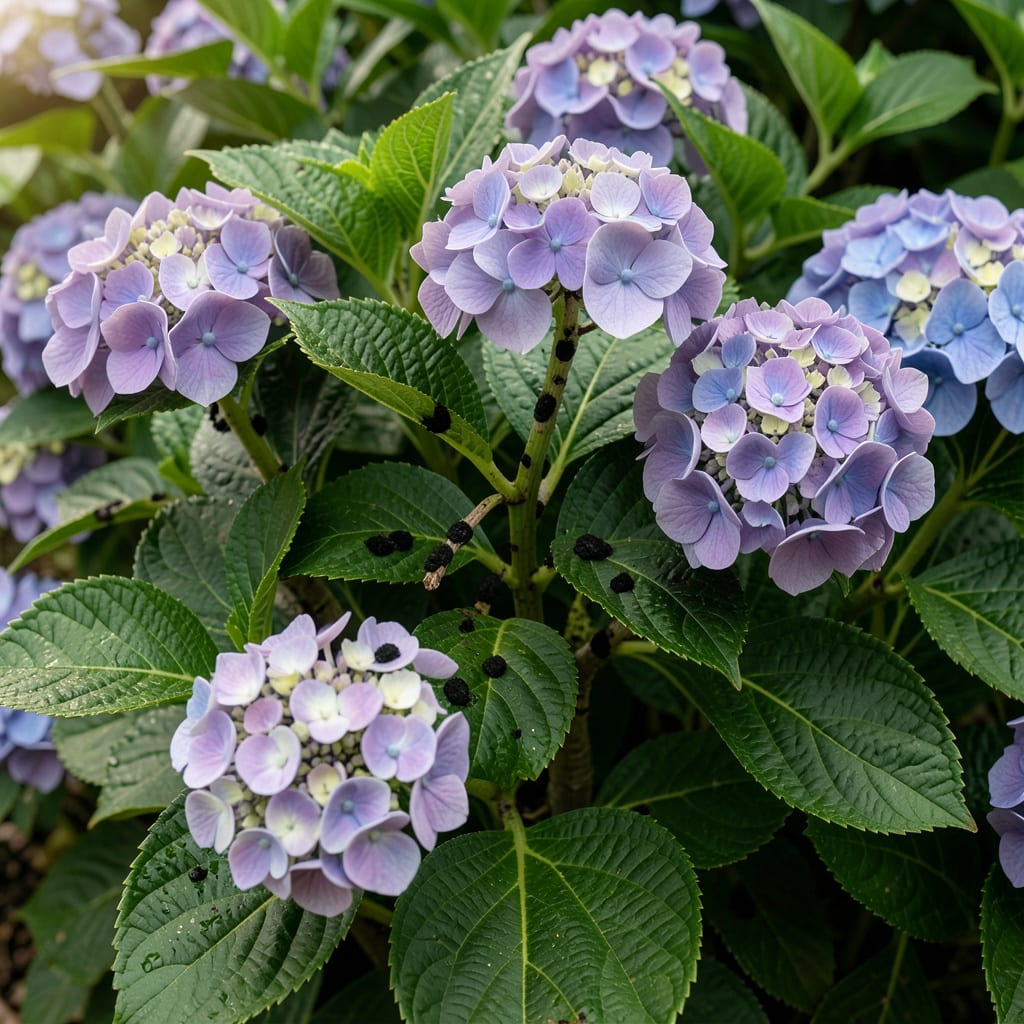
Those black spots on your hydrangea stems aren’t just unsightly—they’re a red flag. I’ve seen this exact issue turn healthy plants into struggling ones overnight, and it’s always a sign that something’s off in their environment.
Most often, it’s a fungal infection thriving in too much moisture or poor air circulation. The spots start small but spread fast, especially in humid weather or when leaves stay wet for 24+ hours after watering.
Here’s the good news: it’s fixable with simple adjustments. Prune affected stems, improve airflow, and switch to morning watering. You’ll see new, clean growth within 2-3 weeks if caught early.
Left untreated, it weakens the plant and stunts blooms. But with the right steps, your hydrangeas can bounce back stronger than before.
Black spots on hydrangea stems often signal underlying issues that disrupt the plant’s health. Below are the most common causes, explained with actionable insights.
Fungi like Cercospora and Alternaria thrive in warm, humid conditions, leading to dark, irregular spots on stems. These pathogens spread via water splashes or contaminated tools, entering through wounds or weak tissue. Overhead watering and poor air circulation worsen the problem.
Excess moisture softens stem tissue, making it vulnerable to fungal invasion. Hydrangeas in soggy soil or with improper drainage develop root stress, which manifests as blackened spots on stems. Ensure pots have drainage holes and amend heavy clay soil with organic matter.
Extreme heat, cold snaps, or sudden temperature swings can cause tissue damage, appearing as dark lesions. Hydrangeas prefer consistent moisture and partial shade; direct sun or frost can shock the plant, leading to stem discoloration.
Sap-sucking pests like aphids or scale insects weaken stems, creating entry points for secondary infections. Their feeding leaves behind sticky residue (honeydew), which can harbor sooty mold—another cause of black spots.
Tackle those unsightly black spots on your hydrangea stems with these targeted solutions. Addressing the root cause ensures your plants stay healthy and vibrant. Here’s how to treat each issue effectively:
If fungal diseases like Anthracnose or Botrytis are to blame, act fast:
💡 Prevention: Water at the base (avoid wetting leaves), and clean up fallen debris around the plant.
Soggy soil invites fungal growth and root rot, which can manifest as black spots.
💡 Prevention: Plant hydrangeas in well-draining soil and raised beds if your garden retains water.
Pests like aphids or scale can weaken stems, making them susceptible to infections.
💡 Prevention: Inspect plants weekly for early signs of pests, and encourage natural predators with companion plants like marigolds.
Intense sunlight can scorch stems, causing dark spots.
💡 Prevention: Gradually acclimate plants to sunlight if they’ve been in shade, and mulch the base to retain moisture.
Yes, fungal spores can travel via wind, water, or tools. Isolate affected hydrangeas and sterilize pruning shears between cuts to prevent spreading.
With proper care, new growth should appear spot-free within 2-3 weeks. Persistent cases may need repeated fungicide applications every 7-10 days.
Prune only severely affected stems first. Minor spots can often be treated without removal. Always disinfect tools after each cut to avoid contamination.
Most hydrangeas bounce back completely if treated early. Focus on improving conditions like drainage and airflow to prevent future outbreaks.
