
Beautiful Plants For Your Interior
Beautiful Plants For Your Interior
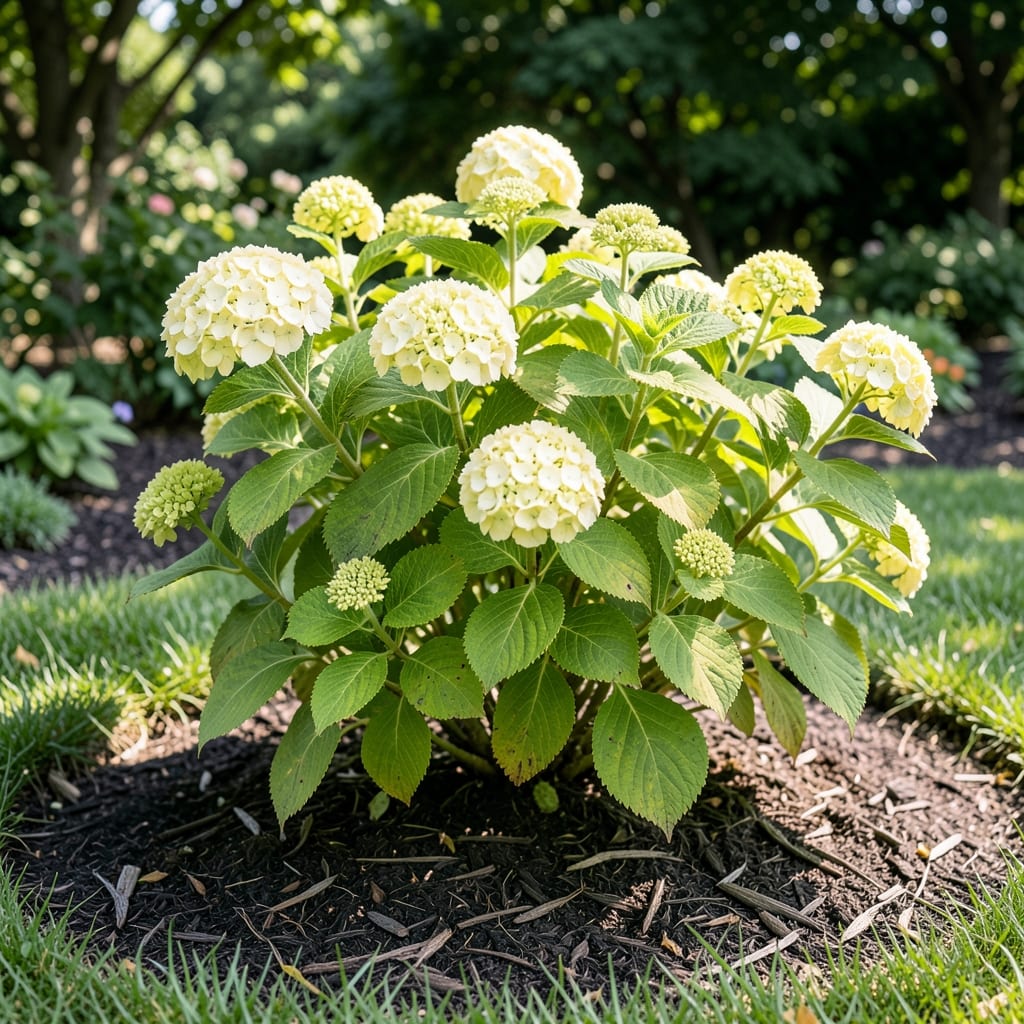
Those pale, yellowing leaves on your hydrangea aren’t just sad to look at—they’re a cry for help. I’ve seen this exact issue turn vibrant bushes into lackluster shrubs overnight.
Iron deficiency is the usual culprit, but don’t jump to conclusions. Overwatering, poor drainage, or soil pH that’s too high can lock out nutrients just as effectively. The fix starts with knowing which problem you’re actually dealing with.
With a soil test and a few simple adjustments, you can restore that deep green color and get your hydrangea blooming like it means business. The transformation happens faster than you’d expect.
Works for bigleaf, oakleaf, and panicle varieties alike. Here’s how to diagnose and treat it for good.
Pale leaves on hydrangeas often signal underlying issues that disrupt chlorophyll production or nutrient uptake. Here are the most common causes, explained with actionable insights:
Hydrangeas need iron to produce chlorophyll, the pigment responsible for green leaves. When soil pH is too high (alkaline, above 6.5), iron becomes insoluble, and roots can’t absorb it. This leads to interveinal chlorosis—yellowing between leaf veins while veins stay green. Bigleaf hydrangeas (Hydrangea macrophylla) are especially prone.
Compacted or waterlogged soil suffocates roots, limiting their ability to absorb iron and other nutrients. Conversely, sandy or nutrient-poor soil may lack sufficient iron or organic matter to sustain healthy foliage. A soil test can confirm pH and nutrient levels.
Excess phosphorus or high levels of calcium/magnesium can block iron uptake, even if iron is present. Over-fertilizing with high-phosphorus blends (e.g., 10-30-10) often triggers this. Switch to a balanced, iron-rich fertilizer (like 10-10-10 with chelated iron) to restore equilibrium.
Both extremes stress the plant. Overwatering causes root rot, reducing nutrient absorption, while underwatering prevents roots from accessing iron in the soil. Aim for consistent moisture—mulch helps retain it without waterlogging.
Root diseases (e.g., Phytophthora) or pests like nematodes damage roots, impairing their ability to take up iron. Inspect roots for rot or lesions, and treat with fungicides or beneficial nematodes if needed.
If your hydrangeas are sporting pale, lackluster leaves, don’t panic—there are clear fixes for the most common causes. Below are targeted solutions to restore their vibrant green color.
If the issue is iron chlorosis (yellow leaves with green veins), treat the soil with chelated iron or an iron sulfate supplement. Apply according to package instructions, usually every 4-6 weeks during the growing season. For a quick boost, mix 1 tablespoon of iron sulfate in a gallon of water and drench the soil around the roots.
Prevention tip: 💡 Use acid-forming fertilizers (like those for azaleas) annually to maintain iron availability in the soil.
Hydrangeas thrive in slightly acidic soil (pH 5.2–6.5). Test your soil with a kit, and if the pH is too high (alkaline), lower it by adding elemental sulfur or aluminum sulfate. For a natural approach, mix in peanut hulls, pine needles, or composted oak leaves to gradually acidify the soil.
Prevention tip: 🎯 Re-test soil pH every 1-2 years, as it can shift over time due to water, fertilizers, or organic matter breakdown.
Overwatered or waterlogged roots can’t absorb nutrients properly, leading to pale leaves. Ensure your hydrangeas are planted in well-draining soil and water deeply but only when the top inch of soil is dry. If your soil is heavy clay, amend it with compost or perlite to improve drainage.
Prevention tip: ✨ Mulch with organic material (like bark or straw) to retain moisture without suffocating roots.
Pale leaves can also signal a nitrogen deficiency. Apply a balanced, slow-release fertilizer (10-10-10 or 12-4-8) in early spring and again in early summer. Avoid high-phosphorus fertilizers, as they can worsen iron uptake issues in alkaline soils.
Prevention tip: 🌱 Top-dress with compost annually to provide a steady supply of micronutrients.
Look for yellowing between leaf veins while veins stay green. This pattern, called interveinal chlorosis, is classic for iron deficiency in hydrangeas.
Apply chelated iron as a soil drench or foliar spray. For immediate results, mix 1 tablespoon iron sulfate in a gallon of water and water the roots.
Yes! Waterlogged roots can’t absorb iron properly. Always let the top 1 inch of soil dry between waterings to prevent this issue.
Test every 1-2 years, as pH can shift with watering or fertilizing. Hydrangeas need slightly acidic soil (pH 5.2-6.5) for best iron uptake.